
Sodi
SODIUM (Na) — *generous, impulsive; always giving away electrons.* One extra outer-shell electron; gives it up readily; basis of ionic compounds; pairs with Chlora to make table salt NaCl.
Press play to listen along. The line being read lights up as you go.
Show full transcript
Loading transcript…
- Salt - Element - Ion
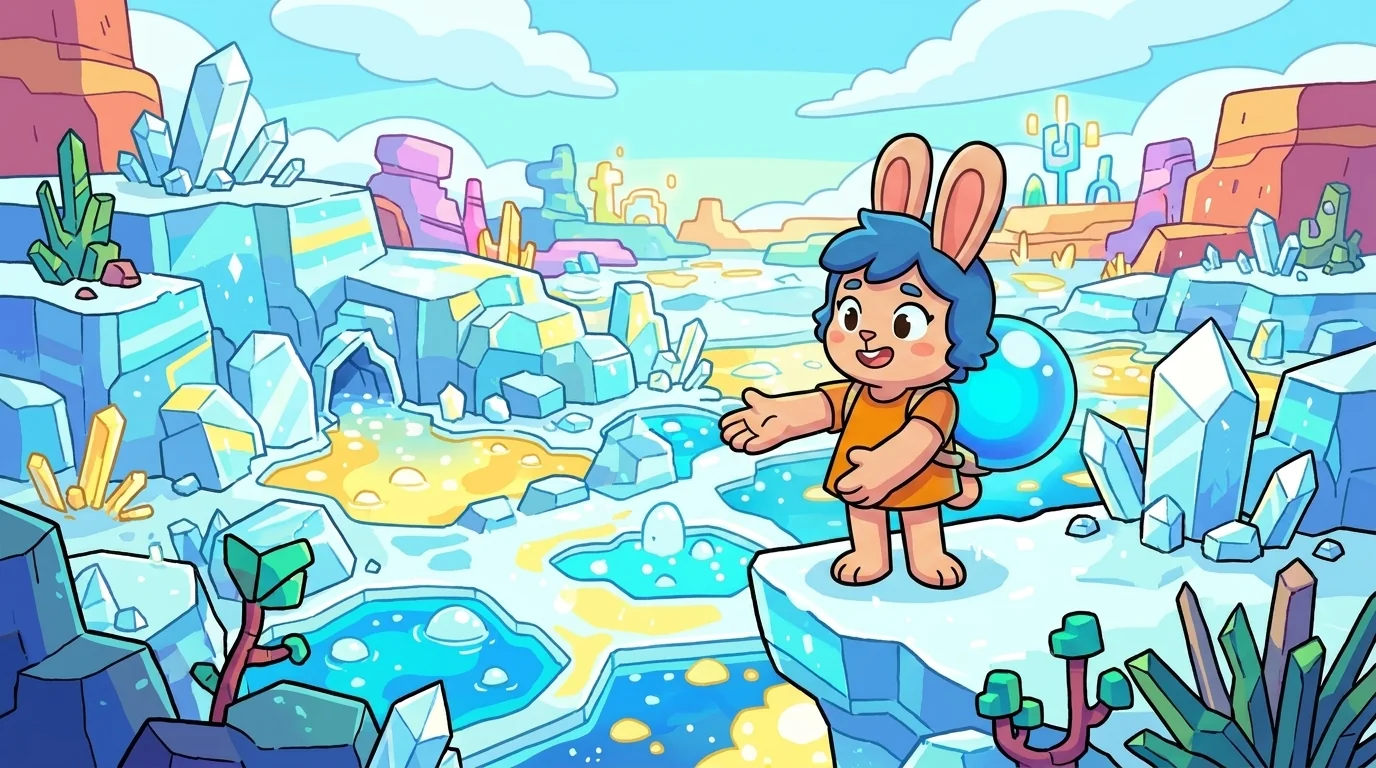
Sodi was a small rabbit. Her right palm was always open. It stretched out to you. Her eyes were bright and eager.

This was super important. Sodi was like sodium (Na). Sodium has one extra electron. It's in its outer shell. It has one more than it needs. It wants to be stable. So, sodium's whole story is simple. It wants to get rid of that extra electron. When sodium gives it away, it changes. It becomes a positive ion, Na⁺. Its inner shell is now stable. Sodium does this very eagerly. It tries to give its electron away everywhere. This is why pure sodium metal is dangerous. It reacts fast with water. It gives electrons to water's hydrogen atoms. That eagerness also helps make table salt. Sodium loves to pair with Chlora. Chlora wants an electron. Sodi wants to give one up. They are a perfect match.
It was important to know this. Sodi never said she was just 'generous.' She always explained why. "I have one extra electron," she'd say. "That's it. My outer shell has one electron. If I give it up, my next shell down is full. That full shell becomes my new outer shell. It makes me much more stable. So I give it up all the time. People call that 'generous.' But it's really just me wanting to be stable. Once I give my electron away, I become Na⁺. I'm a positive ion then. I'm stable. I'm happy."
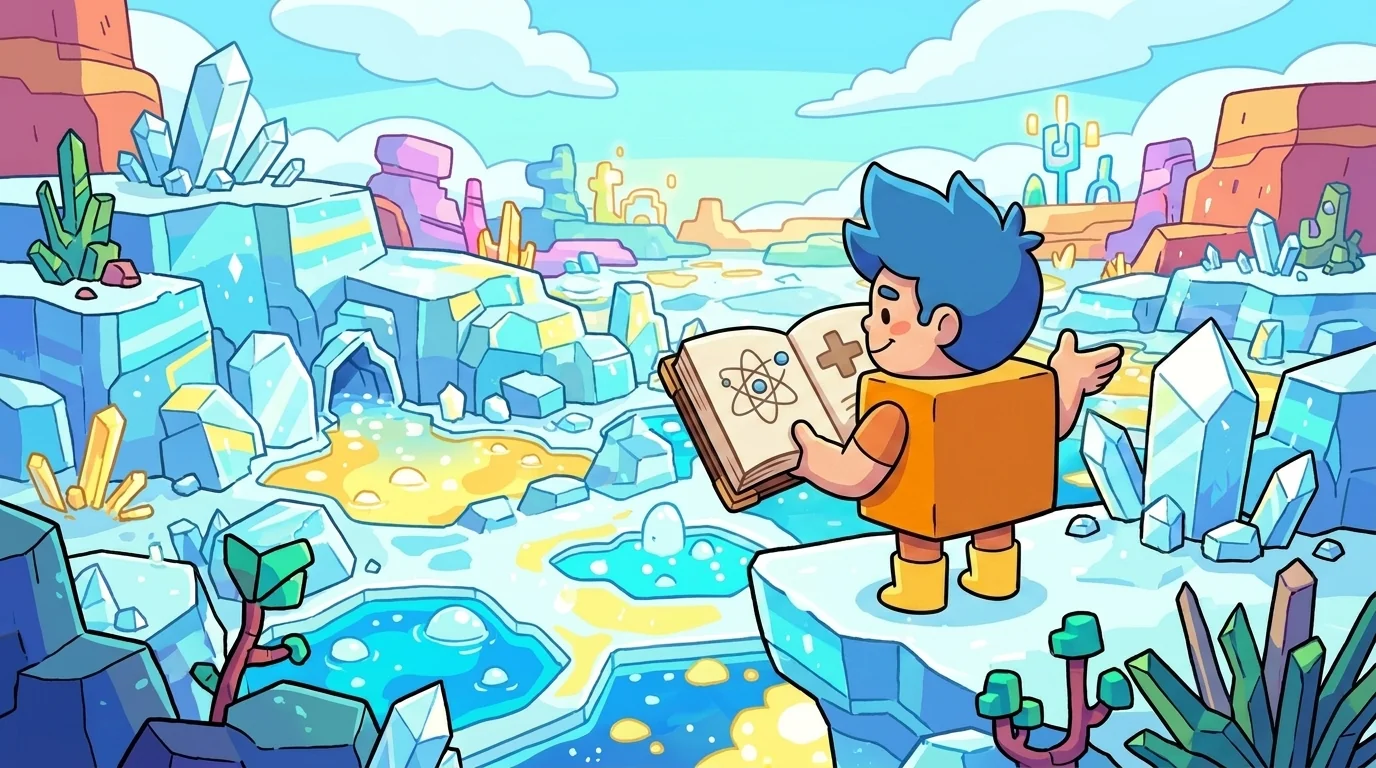
One year, Sodi was just five. She carried a basket of berry tarts. Her little paws held it carefully. She hopped to Farmer McGregor's door. He was a grumpy old badger. Sodi held out a tart. "Welcome, Farmer McGregor!" she chirped. He grumbled but took the tart. Sodi didn't wait for thanks. She just hopped to the next house. A warm feeling spread through her. It was like a little hum. Giving felt good. It felt right. She knew her family's craft was important.
Sodi bounded to the ChemQuest academy. She was twenty-two years old. Professor Beaker met her there. "What is sodium?" he asked. Sodi stood tall. She held out her open palm. "I have one extra outer-shell electron," she said. "I give it away every chance I get. That makes me Na⁺. I'm a stable positive ion. I pair with anyone who needs an electron. Especially Chlora. We make table salt, NaCl. The giving is how I find stability. Once I'm Na⁺, I'm happy." Beaker smiled. "You are appointed," he said.
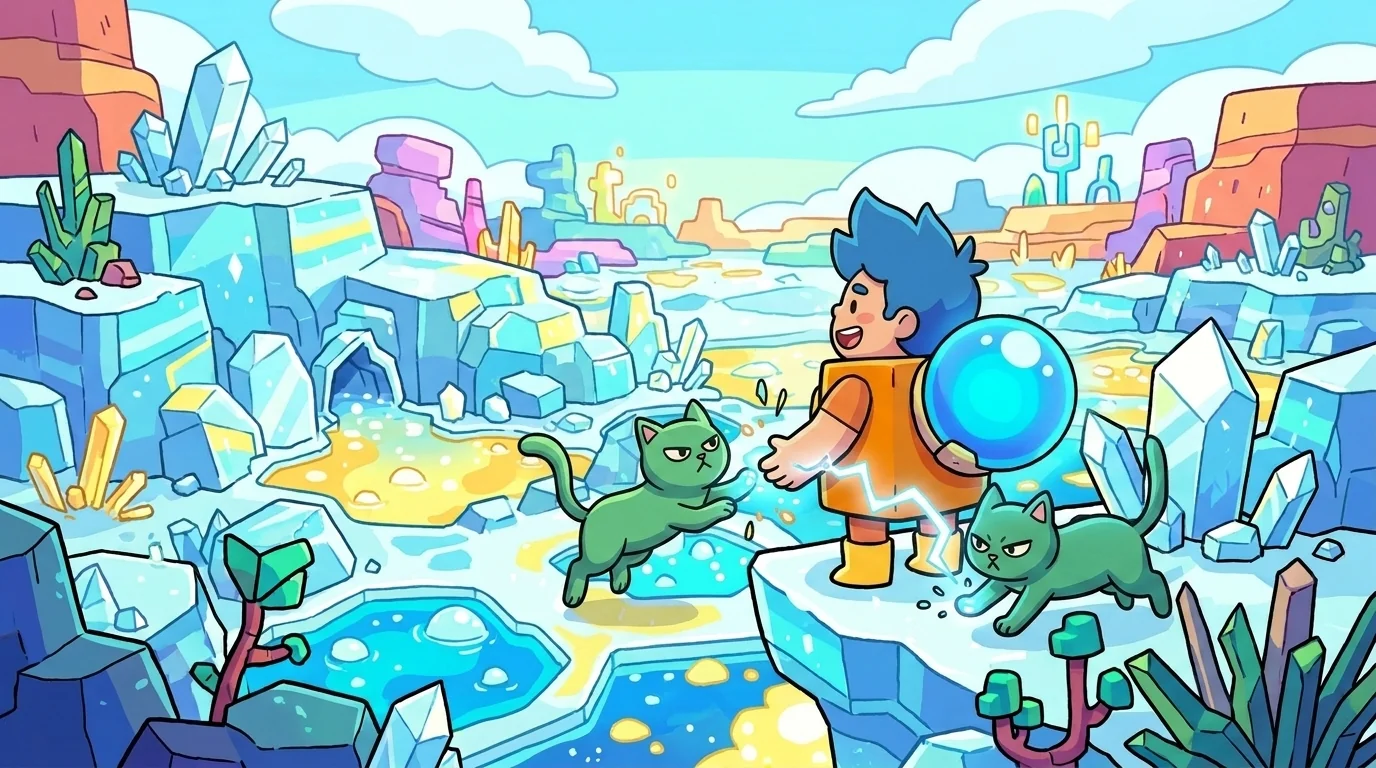
Just then, a sleek, green cat bounded in. This was Chlora. She had a slightly grumpy look. Her paws were ready to grab. Sodi beamed at her friend. "Chlora, perfect timing!" Sodi said. Chlora just purred. Sodi held out her glowing electron. Chlora's paw shot out. ZAP! The electron zipped from Sodi's palm. It landed in Chlora's paw. A tiny spark flew. Sodi's palm was now empty. Chlora's paw glowed faintly. "See?" Sodi said. "I gave it. I'm Na⁺ now. Chlora is Cl⁻. We're both stable. And together, we're table salt!" The students gasped. They wrote notes quickly.
She taught the important facts about sodium. She called them the sodium scaffolds.
- First, sodium has one extra electron. Just one. It's in its outer shell. It's one more than it needs. It really wants to give it up. That makes it stable. - Second, when sodium gives that electron away, it changes. It becomes Na⁺. That's a positive ion. Its inner shell is now full. That full shell becomes its new outer shell. It feels stable. It feels happy. - Third, pure sodium metal is super reactive. It's not safe to touch. Sodi showed a video. A tiny piece of sodium hit water. WHOOSH! It fizzed and sparked. It gave its electrons to the water. It made gas and heat. "Never touch pure sodium without a grown-up," Sodi warned. "It's not for kitchen experiments!" - Fourth, sodium loves chlorine. Sodi showed Chlora again. Sodi gave her electron. Chlora took it. Sodi became Na⁺. Chlora became Cl⁻. They had opposite charges. So they stuck together. This bond is called an ionic bond. It makes table salt, NaCl. - Fifth, sodium is inside your body. Yes, really! The Na⁺ ions help your nerves send signals. They keep your body's water balanced. They help control your blood pressure. You get sodium from salty food. It's in many other foods too. - Sixth, there's the sodium-potassium pump. It's in every cell. Your cells work hard. They push sodium out. They pull potassium in. They do this all the time. It takes a lot of energy. This pump helps your nerves work. It's super important for life.
The ChemQuest ensemble
Sodi is part of ChemQuest's distributed-narrative cast. Each character embodies a different curricular primitive; together they teach the full subject.
-

Hydra
Hydrogen (H) — lightweight, ubiquitous, always paired up; buddy-system enthusiast
-
Carbo
Carbon (C) — connects to anything; the social atom; backbone of life
-

Oxy
Oxygen (O) — eager bonder; electronegative; the hungry grabber
-

Nitra
Nitrogen (N) — triple-bond loyal; slow-to-warm; locks in deeply once bonded
-

Chlora
Chlorine (Cl) — sharp, focused; the collector who finishes what Sodi starts
-

Helio
Helium (He) — noble gas; peaceful, floaty, complete; the contented onlooker
-

Sulfa
Sulfur (S) — earthy, dramatic; the stinky uncle of volcanoes and proteins
-

Phossa
Phosphorus (P) — energetic, restless; the spark of ATP and matches
-

Magna
Magnesium (Mg) — bold, ceremonial; burns bright white; chlorophyll core
-

Silica
Silicon (Si) — patient, geometric; the architect who builds quietly
-

Alumi
Aluminum (Al) — practical, modest; the workhorse of cans and foil
-

Tugger
Ionic bond — forceful, decisive; full electron transfer; opposites attract
-

Sharer
Covalent bond — cooperative, balanced; equal partnership
-

Streamer
Metallic bond — flowing, communal; delocalized electron sea
-
Whisperer
Hydrogen bond — subtle, persistent; water's superpower; DNA pairing