ChanceForge
Roll the dice on real probability. Run experiments, watch the patterns appear, and learn why more data means clearer answers — then practice with the crew who each teach one piece of statistics.
Before you start
For grown-ups — progress report →
Probability Lab
Explore the sample space
Practice the concepts
Kit 1: Data Collection & Organization Kit 2: Graphs & Data Displays Kit 3: Mean, Median, Mode & Range Kit 4: Probability Basics Kit 5: Experimental vs. Theoretical Probability Kit 6: Compound Events & Sample Spaces Kit 7: Statistical Variability & Distributions Kit 8: Statistical Inference & Prediction Kit 9: Experimental Probability Kit 10: Compound Events & Trees Kit 11: Statistical Distributions Kit 12: Data-Driven Decision Making Kit 13: Cross-Topic Connections Kit 14: Real-World Applications Kit 15: Misconceptions & Reasoning Kit 16: Advanced Synthesis
Play together
Same idea, another world
The chance of an event is favorable outcomes over the total — that is a fraction, a part compared to the whole.Try FractionForge →Counting favorable outcomes over the total is exactly how a Punnett square predicts which traits an offspring inherits.Try GeneForge →Counting all the outcomes to find a chance is the same fundamental counting principle — multiply the choices at each step.Try DiscreteQuest →
More ways to practice
😄 Brain break
Meet the cast — the characters who teach this
 Tally the Counter-of-Outcomes
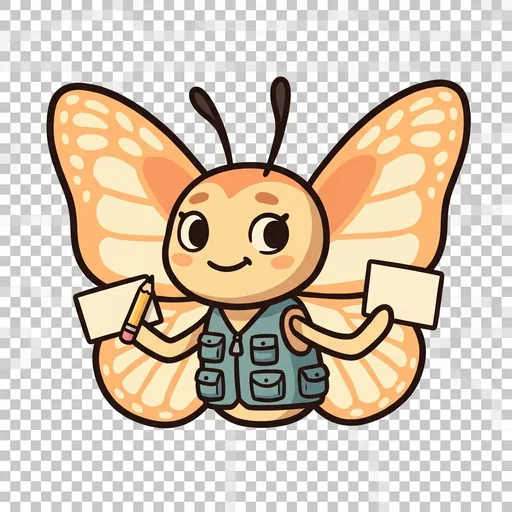 Display the Picture-Maker
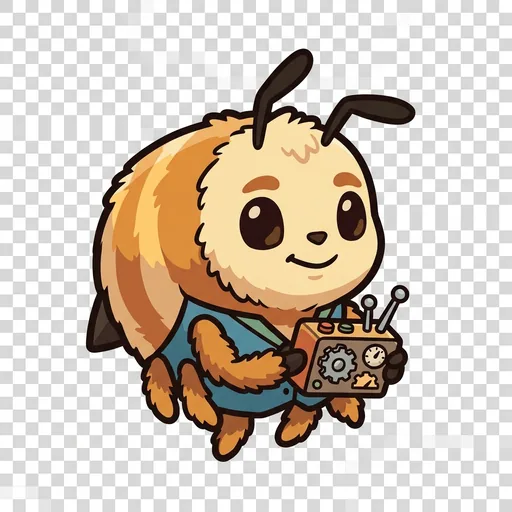 Center the Middle-Finder
 Sample the Estimator
 Tree the Compound-Brancher
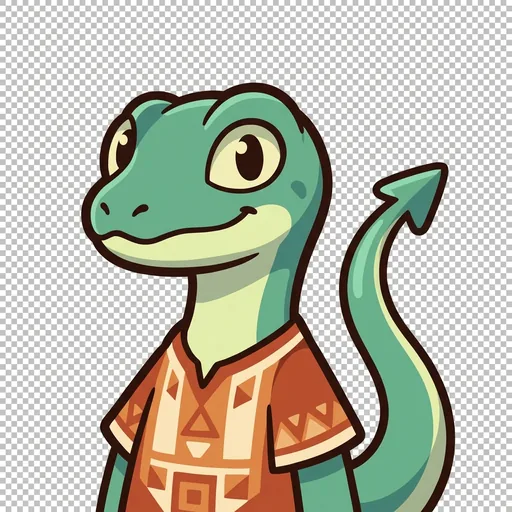 Odds the Likelihood-Reader
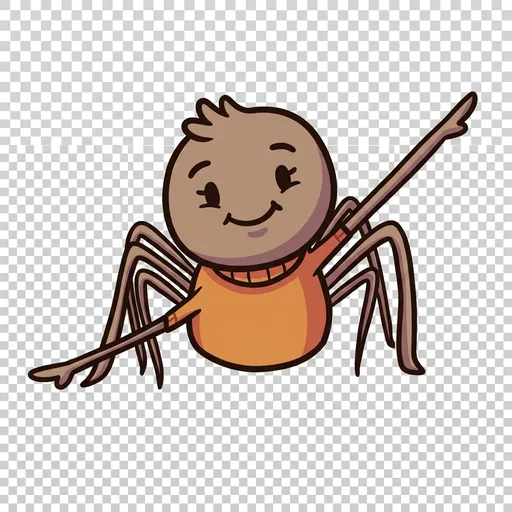 Scatter the Spread-Reader
 Flipside the Other-Outcome-Counter
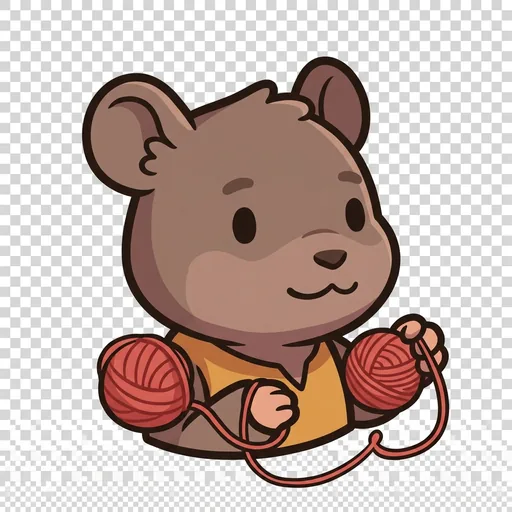 Clew the Clue-Follower
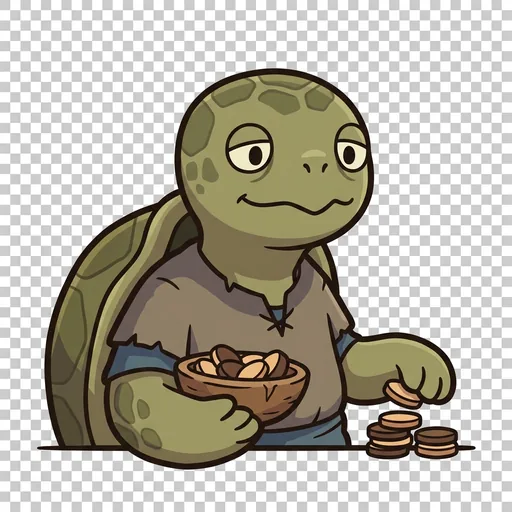 Evens the Long-Run-Settler
Ensemble stories — the cast together