Child-Divinity
CHILD-DIVINITY — *the newborn with power. divine-child motif.*
Listen along — Child-Divinity
Loading audio…
Press play to listen along. The line being read lights up as you go.
Show full transcript
Loading transcript…
Chapter 9 — Child-Divinity and the Power Born Already Knowing
The workshop of Child-Divinity was a place of soft light and quiet hums. It smelled faintly of warm milk and ancient paper, a comforting scent that made Maya feel both small and safe. Child-Divinity herself was a figure of pure light, a small, radiant being who seemed to glow from within. Her skin, the color of warm cream, held a soft, luminous glow. She often stood in a chunky-cartoon small-but-radiant-pose, her head tilted as if listening to secrets only she could hear.
Maya had come to Child-Divinity’s workshop feeling frustrated. She’d been trying to learn a new skill, something complicated involving intricate weaving patterns, and she felt clumsy and slow. She watched Child-Divinity, who seemed to embody effortless grace.
“Welcome, Maya,” Child-Divinity said, her voice like wind chimes. “You carry a question today, don’t you?”
Maya nodded, surprised. “I guess so. I just… I feel like I’m not good at anything new. It takes me forever to learn.”
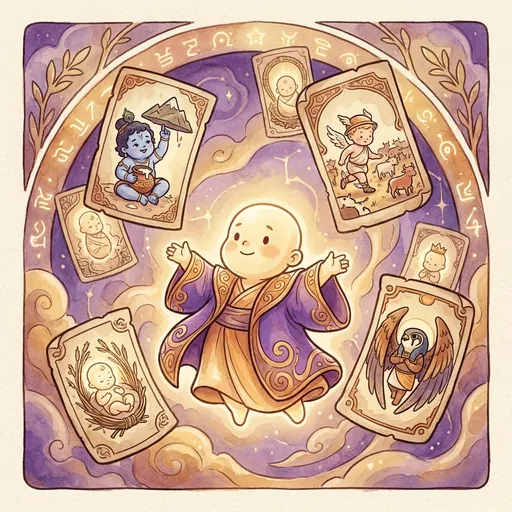
Child-Divinity smiled, a gentle, knowing curve of her lips. “Some things take time. But some powers are simply there from the start. That is what I teach here.” She gestured to a wide, low table covered with an array of cards. This was her divine-child-card-set, a cross-tradition display. Each card showed a tiny, powerful figure.
“This,” Child-Divinity announced, her voice clear and radiant, “is the newborn-with-power.” She liked to say it exactly that way: “The newborn with power. Divine-child motif.”
Maya leaned closer, examining the cards. One showed a blue-skinned infant, no bigger than a doll, lifting a massive hill into the air with one hand. Another depicted a mischievous baby with tiny wings, playing a lyre. A third showed a small child with a falcon’s head, cradled by a protective goddess.
“These are not just cute babies,” Child-Divinity explained, her tone serious but warm. “They show a pattern that repeats across many different ways people understand the universe – we call these ‘cosmologies.’ In these stories, divine or heroic figures appear already with their full power in infancy.”
She pointed to the blue-skinned baby. “This is infant Krishna from Hindu traditions. He’s stealing butter, yes, but he also lifts Govardhan Hill to protect his people from a storm. He does this as a baby, Maya. His power is already present.”
Next, she indicated the winged infant. “And this is baby Hermes, from Greek myths. On his very first day, he stole cattle from Apollo, the sun god. He was already clever, already a trickster, already powerful.”
Then, the falcon-headed child. “Here, child Horus, from Egyptian stories, is protected by his mother, Isis, from Set, his dangerous uncle. Horus is small and vulnerable, but he holds a destiny, a power that needs guarding until he grows into his role.”
Maya traced the edge of a card. “So, they were just… born knowing how to do all that?”
“Exactly,” Child-Divinity confirmed. “Their growth is into a capacity already present. The pattern is one of wonder and protection. The child is small and vulnerable, yet simultaneously already-powerful. Protector-figures shield them until they grow into their role. Isis with Horus; Yashoda with Krishna. It’s a common thread.”
“But… aren’t they just stories?” Maya asked, a hint of skepticism in her voice. “Like, fairy tales?”
Child-Divinity’s luminous glow seemed to intensify slightly. “Don’t trivialize the divine-child traditions, Maya. They carry wonder and protection-themes that are central to many cosmologies. Each specific story belongs to its own tradition. Krishna’s infancy stories belong to Hindu tradition; Horus’s to Egyptian. We don’t mix them up, and we certainly don’t treat them as quaint or cute. That disrespects their meaning.”
She paused, letting her words sink in. “The move here is wonder, protection, and tradition-respect. We honor each tradition’s protocols and reverence. We don’t conflate, meaning we don’t mash them together as if they are all the same story. Each specific tradition has its own truth.”
Maya looked at the cards again, seeing them differently now. Not just pictures of babies, but symbols of something vast and ancient. She thought about her own struggles, her feelings of inadequacy. Maybe it wasn’t about being born with all the answers, but about recognizing the power that was already within her, waiting to be protected and nurtured.
“So,” Maya said slowly, “it’s about seeing the power that’s already there, even if it’s small?”
Child-Divinity nodded. “And honoring its source. The newborn with power. Divine-child motif.”
The MythForge ensemble
Child-Divinity is part of MythForge's distributed-narrative cast. Each character embodies a different curricular primitive; together they teach the full subject.
-
Trickster
The boundary-crosser who teaches through inversion. Recurs across nearly all traditions (Anansi, Coyote, Loki, Hermes, Maui, Ijapa).
-

Hero-King
The reluctant ruler called to a journey (Campbell's central figure: Gilgamesh, Odysseus, Arjuna, Beowulf, Cuchulain).
-
Devouring-Mother
The dark-creator / death-and-renewal force (post-Jungian; surfaces as Kali-aspect / Hel / Coatlicue / Hecate). **High trauma load.**
-
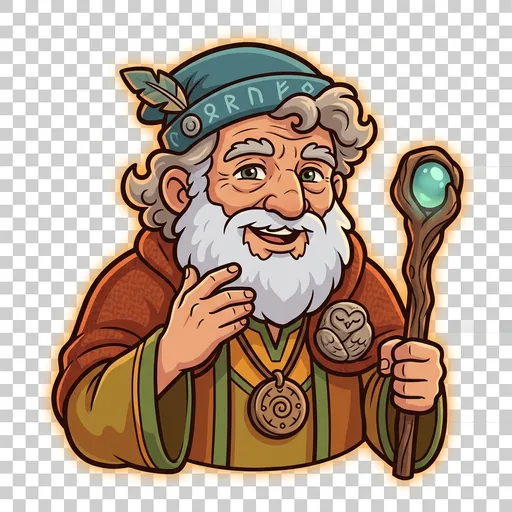
Wise-Elder
The mentor-figure who knows the path but cannot walk it for the hero (Athena, Odin-as-wanderer, Krishna-as-advisor).
-
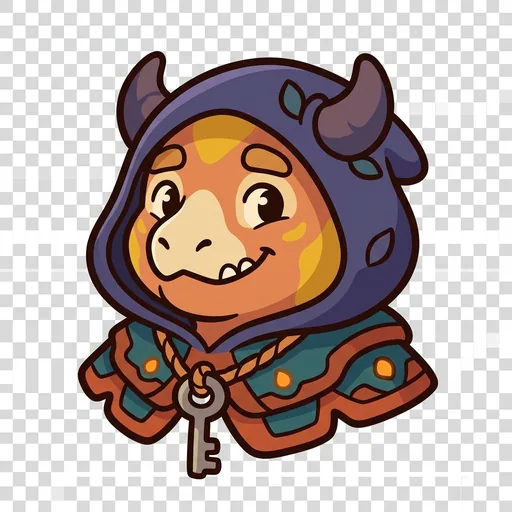
Threshold-Guardian
The figure that tests whether the hero is ready to cross (Sphinx, Cerberus, the dragon at the gate, the riddling stranger).
-

Shadow
The repressed-self / dark-mirror (Jungian core archetype; surfaces as the hero's nemesis-who-is-also-them: Loki/Baldr, Set/Osiris, Cain/Abel framings).
-

Anima/Animus (paired)
The complementary-other-self (Jungian); represented as a pair-character that always appears together, embodying the inner-other-gendered-self pattern that surfaces across many t...
-
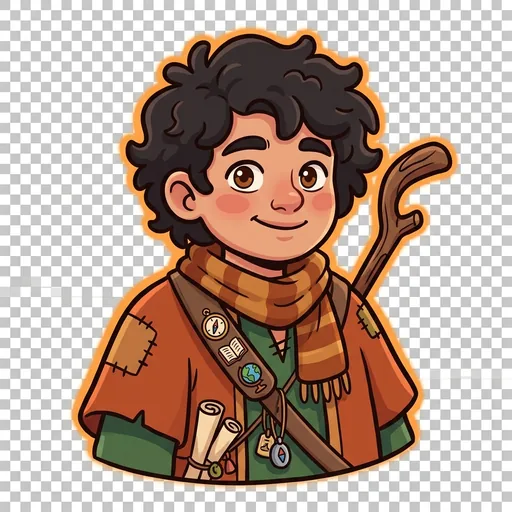
Wanderer
The journeyer-without-fixed-home who carries stories between cultures (Odysseus-after-Ithaca, the wandering Jew, the diaspora-keeper figure).
-
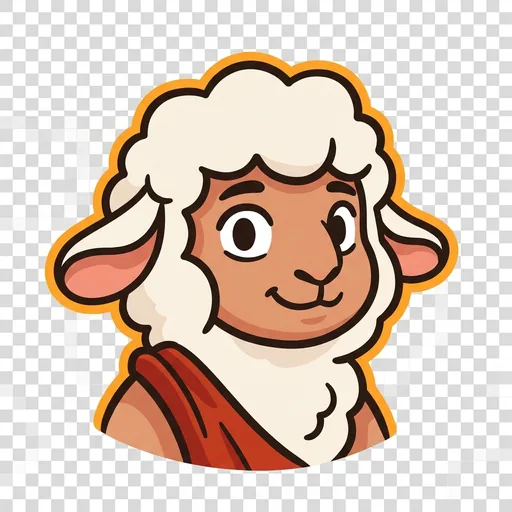
Sacrificial-Lamb
The figure whose loss enables renewal (cross-traditional: dying-and-rising deities, scapegoat figures, voluntary-sacrifice motif).
-
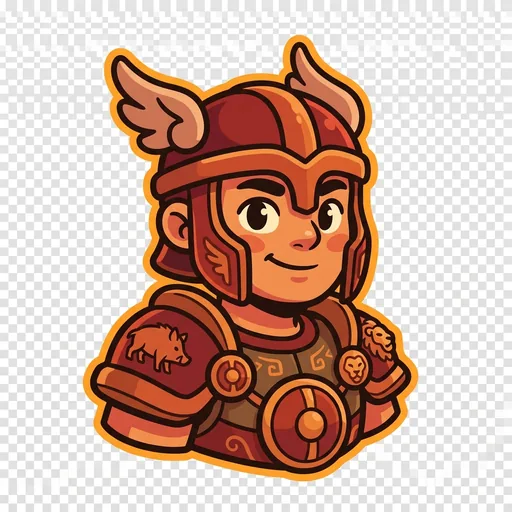
Warrior
The conflict-pattern-bearer (Ares, Tyr, Sekhmet-aspect, the warrior-figure across many traditions).
-
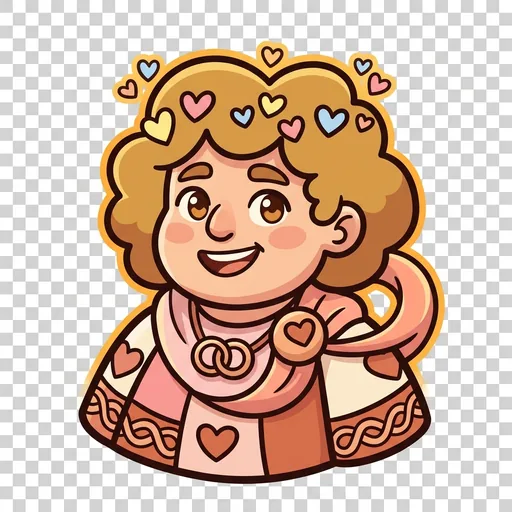
Lover
The relational-bond-bearer (Aphrodite-aspect, the romantic-mythic pair, the bond-that-shapes-the-world archetype).
-

Sovereign
The cosmic-order-keeper archetype (Zeus-aspect, Odin-as-ruler, Ra-as-cosmic-king, Quetzalcoatl-aspect).
-
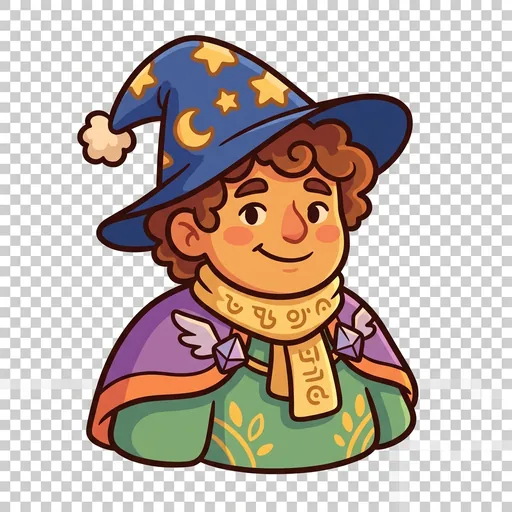
Magician
The transformation-bearer (Hermes-Trismegistus, Tezcatlipoca-aspect, Merlin, the alchemist-figure, the shape-shifter pattern).