Anima/Animus (paired)
ANIMA/ANIMUS — *the complementary-other-self. always appears together.*
Listen along — Anima/Animus (paired)
Loading audio…
Press play to listen along. The line being read lights up as you go.
Show full transcript
Loading transcript…
Chapter 7 — Anima/Animus and the Inner Other-Self
The door to the Anima/Animus workshop wasn’t like the others. Instead of a plain wooden slab, it was a swirling mosaic of polished river stones, each one a slightly different shade of grey or brown. When it slid open, it revealed a circular room, softly lit, with a low, wide table in the center.
Standing beside the table were two figures. They weren’t human, exactly, but shaped like people carved from the same smooth stone as the door. One was taller, with broad shoulders and a calm, steady gaze. The other was slightly smaller, with graceful lines and a thoughtful expression. They stood close, not touching, but clearly a pair. They looked solid and friendly, like ancient statues brought to life.
“Welcome,” said the taller figure, their voice like the deep murmur of a river. “We are the Anima and the Animus.”
“And we always appear together,” added the other, their voice like the gentle rush of water over pebbles. “Because the pattern we teach is about pairing.”
Kai stepped further into the room, feeling a strange sense of balance just from being near them. The air here felt different, like two halves of something important had finally found each other.
“The primitive we teach,” the taller figure continued, gesturing to the table, “is the complementary-other-self.”
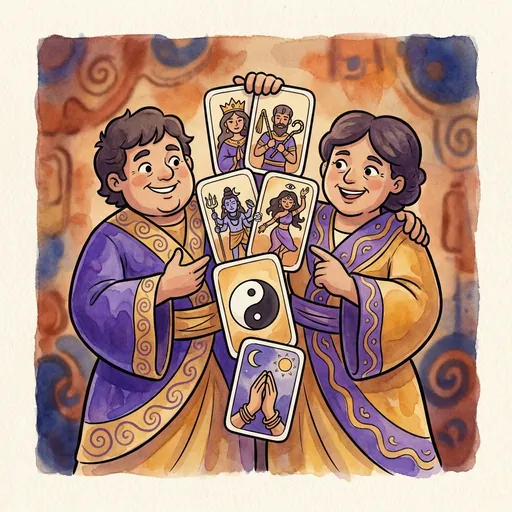
On the table, Kai saw dozens of flat, smooth cards, like oversized dominoes, each with a different image. They were arranged in rows, and every image showed two distinct figures, or symbols, always together.
“It’s the idea that for every part of you, there’s a balancing part,” explained the smaller figure. “Not an opposite, but another half that makes you whole. Everyone carries this inner pairing.”
Kai picked up a card. It showed a sun and a moon, perfectly intertwined. Another had a dark swirl and a light swirl, chasing each other in a circle. Kai recognized that one: the yin and yang.
“These cards show how this pattern appears across many cultures,” the Anima figure said, pointing to a section of the table. “Here, from ancient Egypt, we have Isis and Osiris. A sister and brother, a husband and wife, whose story tells of life and rebirth.”
Kai looked at the card. Isis, with her winged crown, stood beside Osiris, wrapped in his kingly mummy cloths. They looked powerful, but also connected, like two sides of a single coin.
“And from Hindu traditions,” the Animus figure added, “we see Shiva and Shakti. They represent cosmic principles, the dance of creation and destruction, the energy and the consciousness that make up the universe.”
Kai studied the Shiva-Shakti card. One figure seemed to be dancing with wild energy, the other meditating in stillness. Yet, they belonged together, completing each other.
“So, it’s always a man and a woman?” Kai asked, thinking of the pairs. It seemed like a common theme.
The Anima and Animus exchanged a quiet glance. “That’s a common thought,” the Animus figure said gently. “For a long time, many people understood this pattern that way. They saw the Anima as the inner-feminine in a male mind, and the Animus as the inner-masculine in a female mind.”
“But the truth is much bigger,” the Anima figure clarified. “The pattern isn’t about biology or a simple gender split. It’s about pairing. It’s about two different aspects, two energies, two ways of being, that come together to form a complete whole. Every mind, every person, carries these paired, complementary aspects, regardless of their gender.”
Kai thought about it. So it wasn’t just about boys and girls. It was about different kinds of strengths, different ways of thinking, different feelings that could exist inside one person, or in the world, and how they fit together.
“The pattern is the PAIRING,” the Animus figure emphasized. “It’s about finding that balance within yourself, and seeing it in the world.”
“And while the pattern is universal,” the Anima figure added, their voice firm but kind, “each of these traditions is specific. Isis and Osiris are Egyptian. Shiva and Shakti are Hindu. We honor their stories and their meaning within their own cultures. We don’t mix them up or claim them as our own.”
Kai nodded, understanding. It was like appreciating different kinds of music. You wouldn’t call a rock song a classical symphony, even if both were beautiful. Each had its own history and its own rules.
“Don’t think the paired-other is your opposite,” the Animus figure concluded, their gaze warm. “It’s your wholeness’s other half — which everyone carries.”
The Anima figure smiled. “The complementary-other-self. Always appears together.”
The MythForge ensemble
Anima/Animus (paired) is part of MythForge's distributed-narrative cast. Each character embodies a different curricular primitive; together they teach the full subject.
-
Trickster
The boundary-crosser who teaches through inversion. Recurs across nearly all traditions (Anansi, Coyote, Loki, Hermes, Maui, Ijapa).
-
Hero-King
The reluctant ruler called to a journey (Campbell's central figure: Gilgamesh, Odysseus, Arjuna, Beowulf, Cuchulain).
-
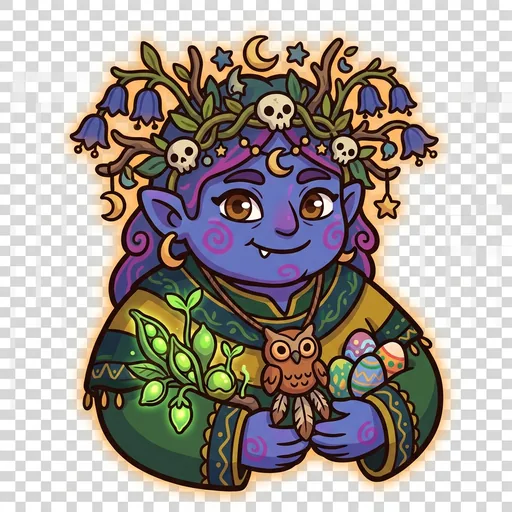
Devouring-Mother
The dark-creator / death-and-renewal force (post-Jungian; surfaces as Kali-aspect / Hel / Coatlicue / Hecate). **High trauma load.**
-
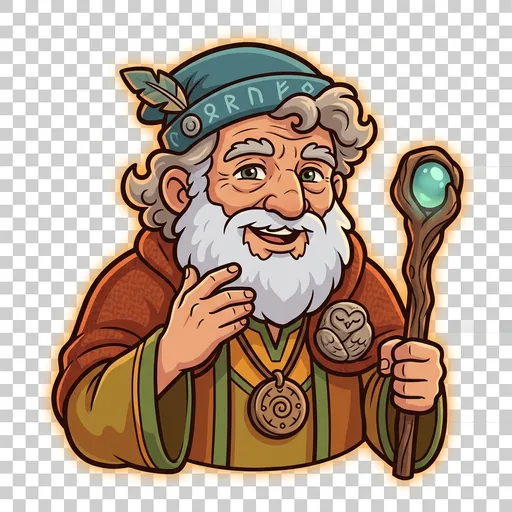
Wise-Elder
The mentor-figure who knows the path but cannot walk it for the hero (Athena, Odin-as-wanderer, Krishna-as-advisor).
-
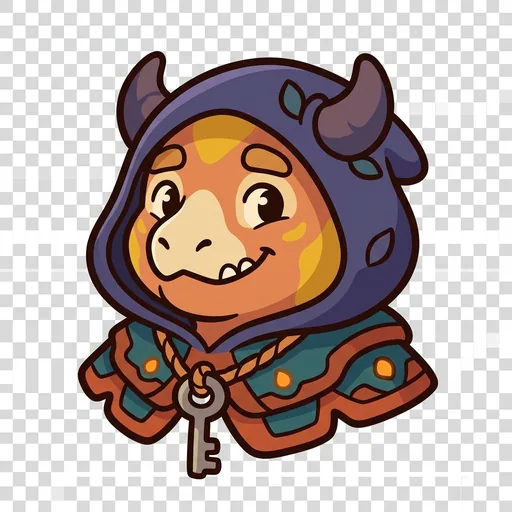
Threshold-Guardian
The figure that tests whether the hero is ready to cross (Sphinx, Cerberus, the dragon at the gate, the riddling stranger).
-
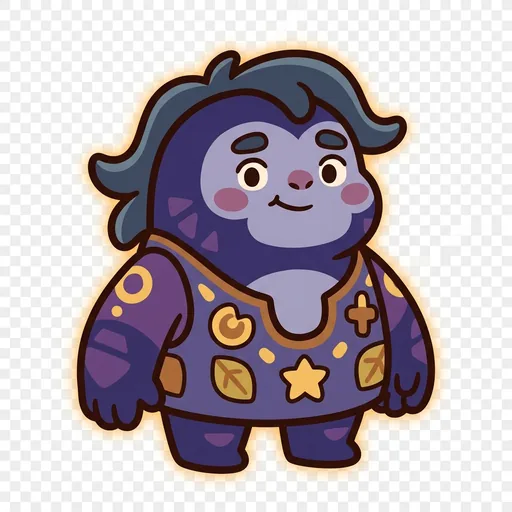
Shadow
The repressed-self / dark-mirror (Jungian core archetype; surfaces as the hero's nemesis-who-is-also-them: Loki/Baldr, Set/Osiris, Cain/Abel framings).
-
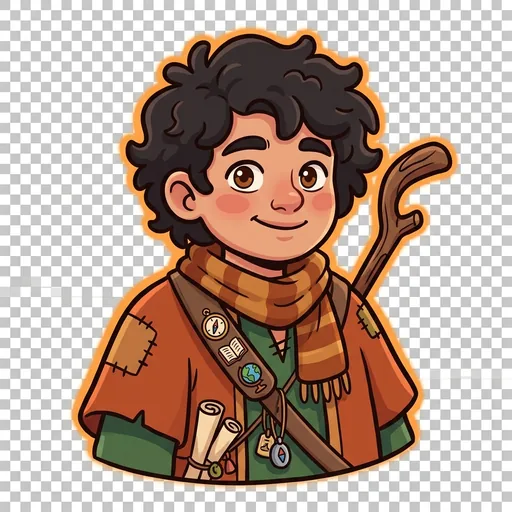
Wanderer
The journeyer-without-fixed-home who carries stories between cultures (Odysseus-after-Ithaca, the wandering Jew, the diaspora-keeper figure).
-
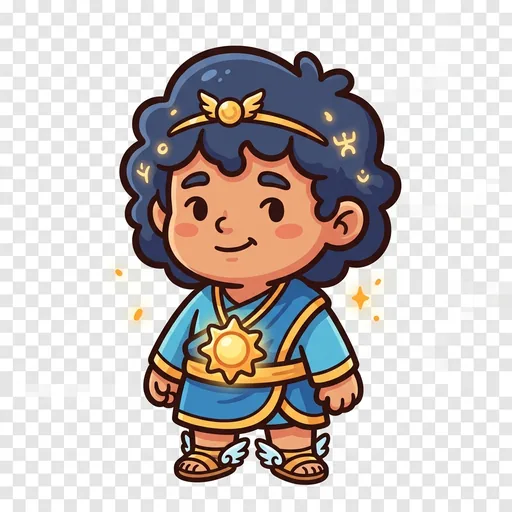
Child-Divinity
The newborn-with-power archetype (infant Krishna, baby Hermes, child Horus, divine-child motif).
-
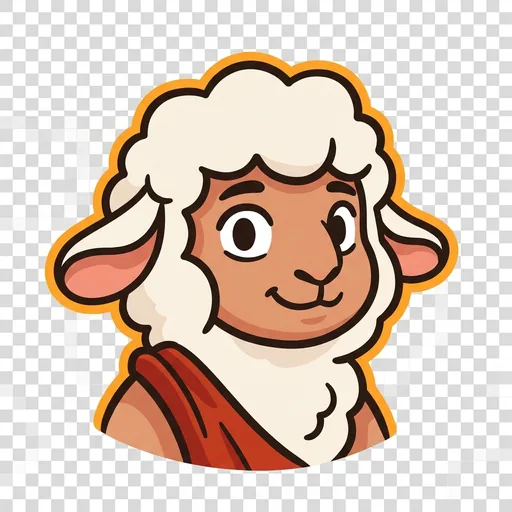
Sacrificial-Lamb
The figure whose loss enables renewal (cross-traditional: dying-and-rising deities, scapegoat figures, voluntary-sacrifice motif).
-
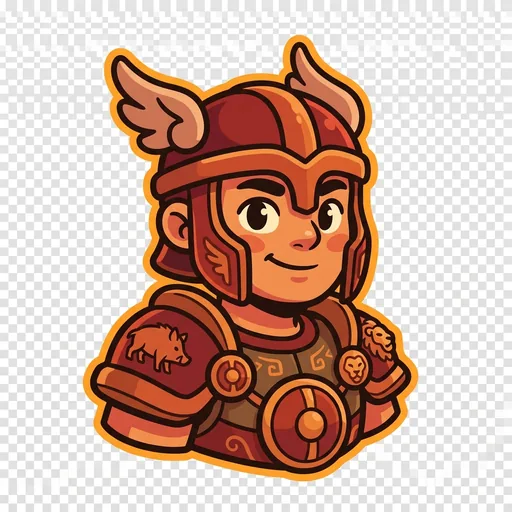
Warrior
The conflict-pattern-bearer (Ares, Tyr, Sekhmet-aspect, the warrior-figure across many traditions).
-
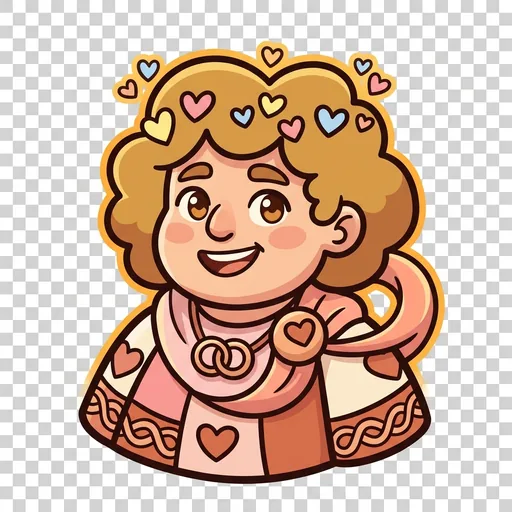
Lover
The relational-bond-bearer (Aphrodite-aspect, the romantic-mythic pair, the bond-that-shapes-the-world archetype).
-
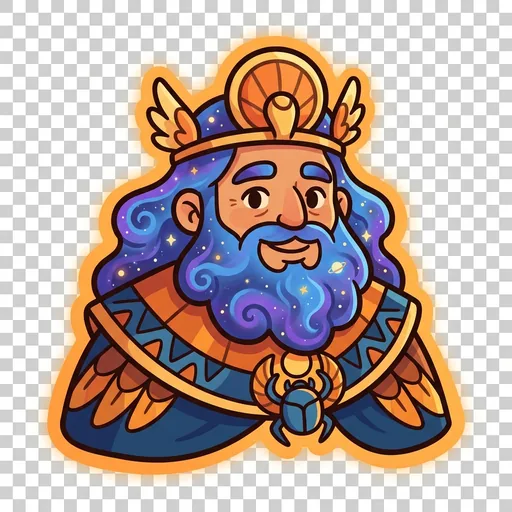
Sovereign
The cosmic-order-keeper archetype (Zeus-aspect, Odin-as-ruler, Ra-as-cosmic-king, Quetzalcoatl-aspect).
-
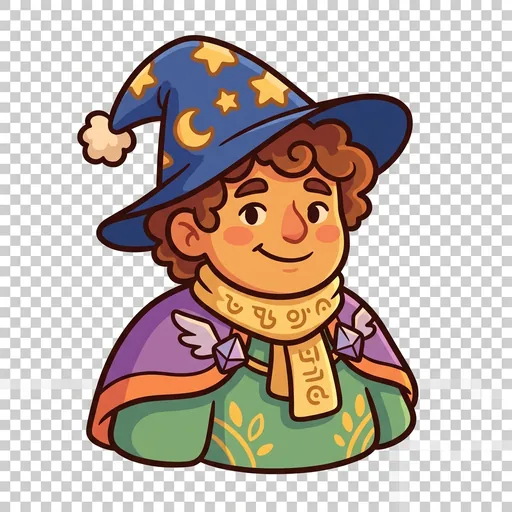
Magician
The transformation-bearer (Hermes-Trismegistus, Tezcatlipoca-aspect, Merlin, the alchemist-figure, the shape-shifter pattern).