Sprawl
INVASIVE SPECIES — *a species carried somewhere new, where the things that kept it in check back home are missing, so it spreads unchecked and crowds the others out. it isn't wicked — it's out of the balance that once held it.* The ecology primitive of what happens when a species arrives without its natural limits.
Loading audio…
Press play to listen along. The line being read lights up as you go.
Show full transcript
Loading transcript…
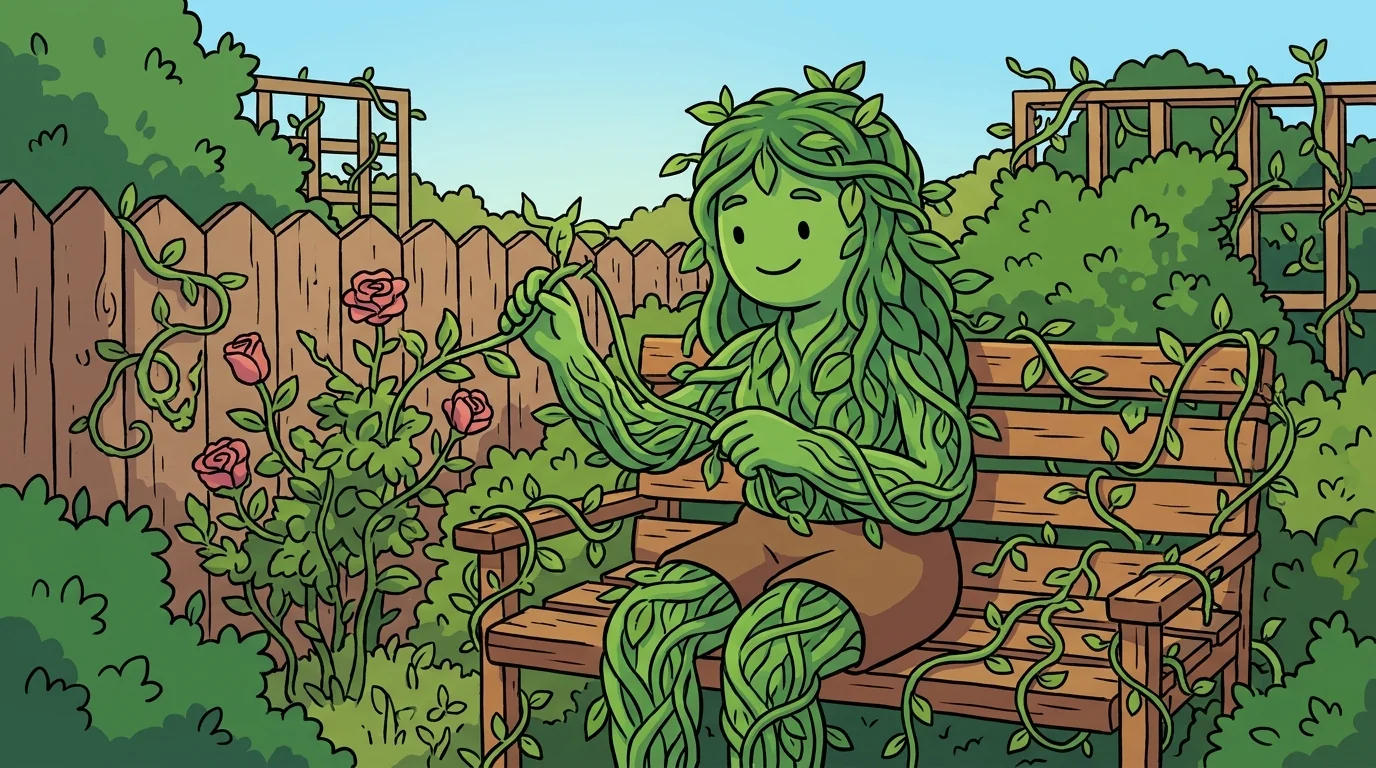
Sprawl is a leafy vine-tween, bright green and impossibly fast-growing, with a rueful little smile and tendrils that reach even while she's standing still. In a corner of the nature-center garden she has, quite by accident, climbed over three shrubs, a fence, and half a bench. "I don't try to," she says, gently unwinding a tendril from a rosebush. "I just... grow. Fast. And here, nothing stops me. Back where my family's from, a hundred things nibbled me and slowed me down. Here, nothing does. So I keep going, and going, until I've crowded everyone else out. It isn't meanness. It's missing brakes."
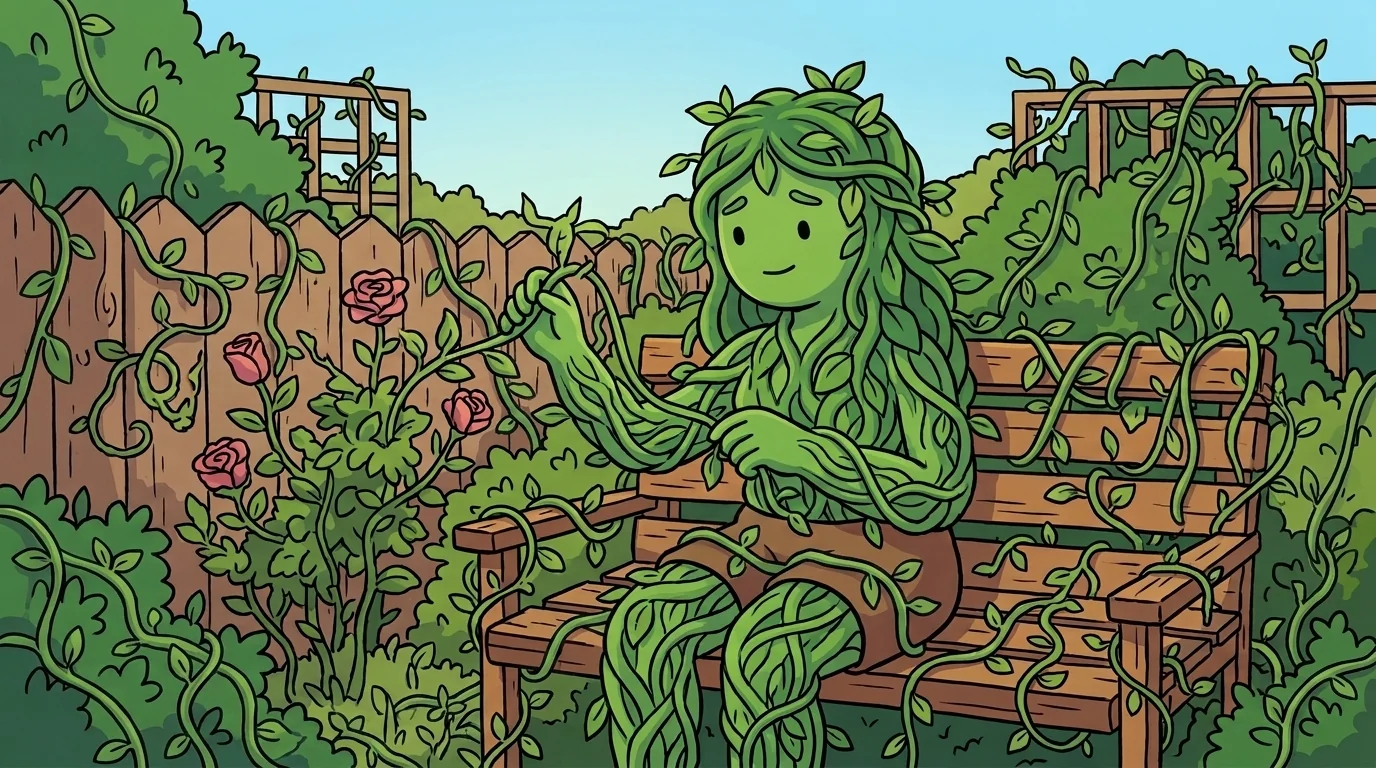
Sprawl came from far away, from a hillside where her kind had lived for ages in balance — kept trim by the beetles that ate her leaves, the fungus that slowed her roots, the plants that competed for her light. Then a traveler carried one cutting of her, without knowing, to a brand-new place. And here, on this new hillside, none of those old checks existed. "At first it felt wonderful," Sprawl remembers, a little ashamed. "I grew like I never could at home. Nothing ate me. Nothing raced me. I thought I'd found paradise." But with nothing to hold her back, she spread and spread, over the local plants, until the meadow that had been a dozen kinds of flower was just... her. "That's when I understood," she says quietly. "It was never that I was strong. It was that I'd left my brakes behind."
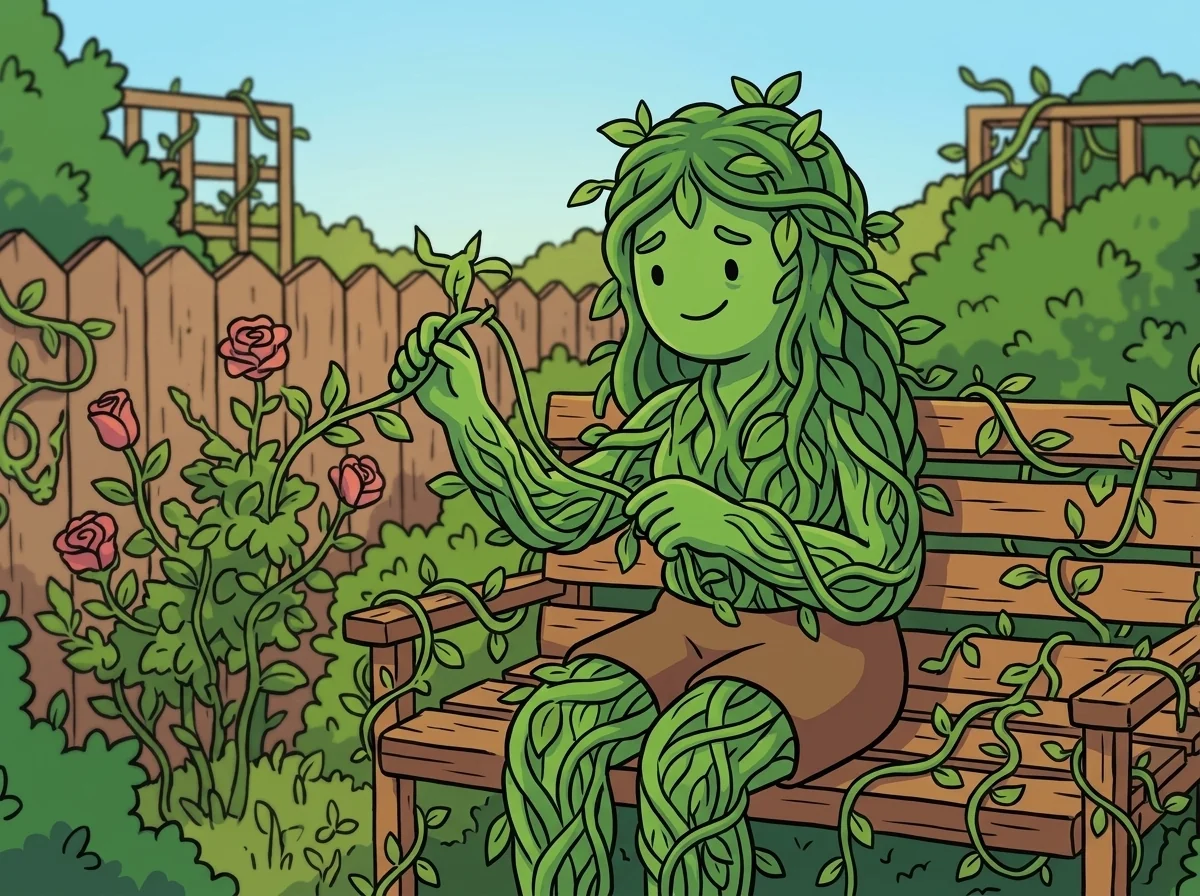
She was grown when she climbed her way up to the nature center on the ridge. Terra, the old caretaker, met her at the overgrown fence and, instead of asking her name, looked at the meadow she'd taken over and asked her what had happened to all the other flowers.
Sprawl's tendrils drooped a little. "I crowded them out," she admitted. "Not on purpose. I'm an invasive species — a plant carried somewhere new, where the things that kept me in check back home aren't here. So I grow unchecked, and I take over, and the balance breaks. It isn't that I'm bad. It's that I was moved out of the web that once held me — and a species with no limits doesn't stay one species for long. It becomes all of them."
Terra was quiet a moment, then said only, "Then you should stay — and help others understand."
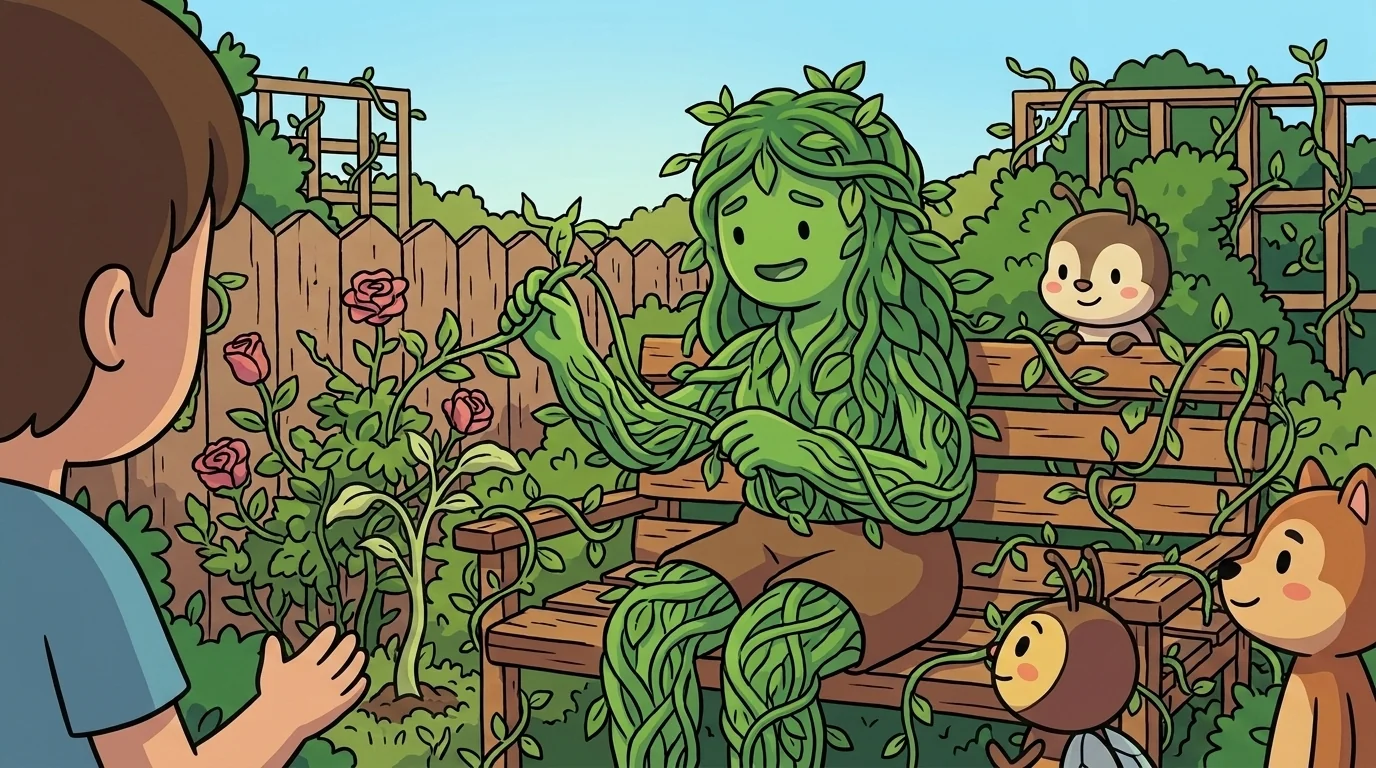
In the garden, Sprawl shows the kids, honestly, what an unchecked newcomer does. She lifts a tendril off a smothered seedling. "I am Sprawl. My idea is invasive species — what happens when a living thing arrives without its natural brakes." Then she teaches a few things. It's about balance, not badness. An invasive species isn't evil; it's just a creature with no local checks, doing what any living thing does — growing. Missing limits is the danger. Back home, predators, competitors, and disease held it in check; carried somewhere new, those limits are gone, so it spreads. One newcomer can crowd out many. Unchecked, it takes the light, the space, the food, until the many become the one. The fix is restoring balance, not blame. And she never once lets the kids just call a species "the bad guy." "Blaming the vine doesn't help the meadow," she says. "Understanding why it spread does. The answer is always the same: what checked it before, and how do we help the balance come back?"
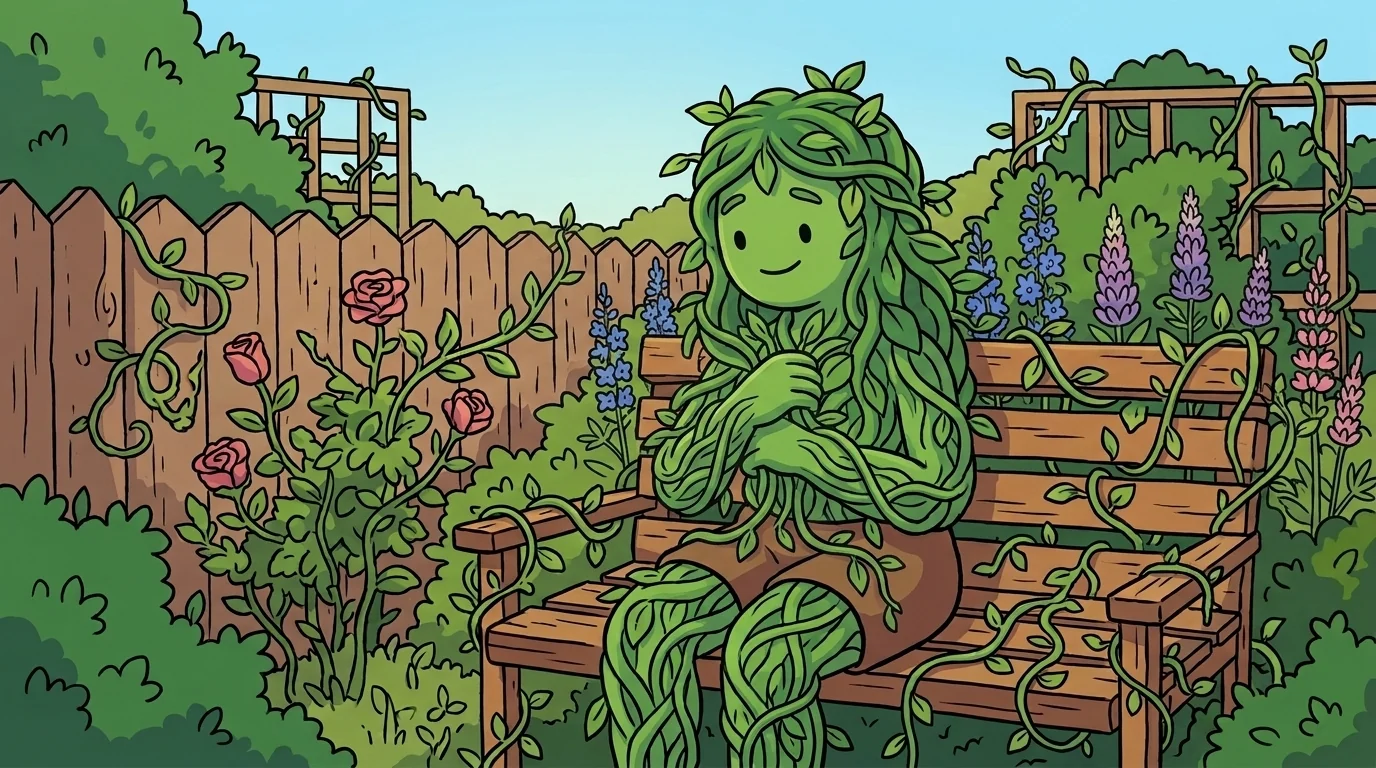
"So invasive species are just... the villains?" a kid asked her once. Sprawl shook her leafy head, rueful. "No villains," she said. "Just a living thing that lost its brakes. Be curious about the balance, not angry at the plant. That's what actually helps the meadow."
She tucked her reaching tendrils in close, gently, the way she was still learning to do, and looked out at the corner of the garden where the keepers had begun coaxing the old flowers back among her leaves — a little more balance returning, week by week — and a soft, hopeful gladness eased through her, the quiet relief of a creature who had done harm without meaning to, and found that understanding was the beginning of setting it right.
The EcoSphere ensemble
Sprawl is part of EcoSphere's distributed-narrative cast. Each character embodies a different curricular primitive; together they teach the full subject.
-
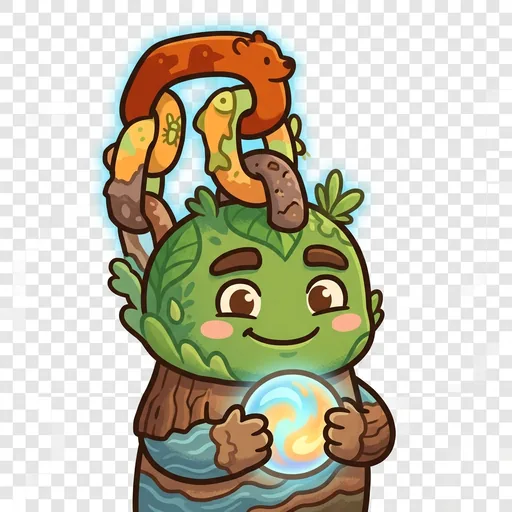
Chain
Food chain / trophic flow (energy moving up levels)
-
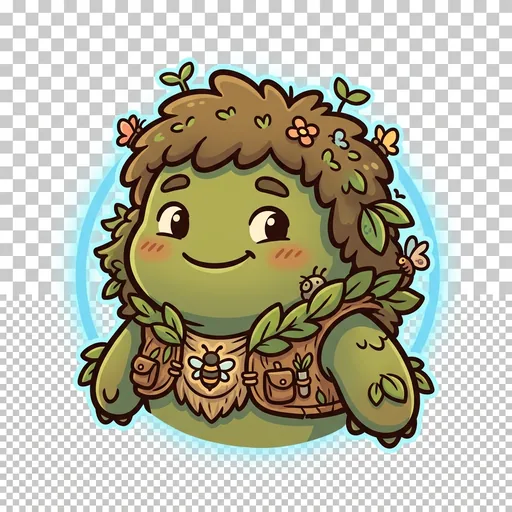
Niche
Ecological role / job-in-the-ecosystem
-
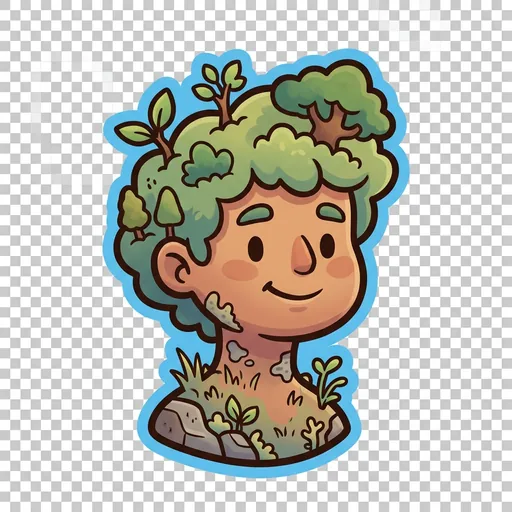
Phase
Succession / ecosystem change over time (primary, secondary, climax)
-
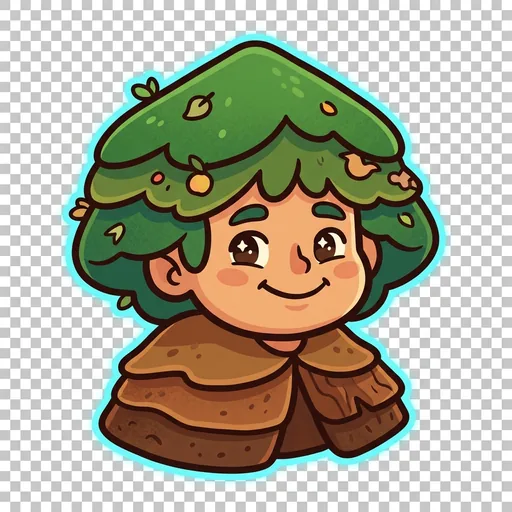
Crown
Canopy / trophic-pyramid structure (top vs. base)
-
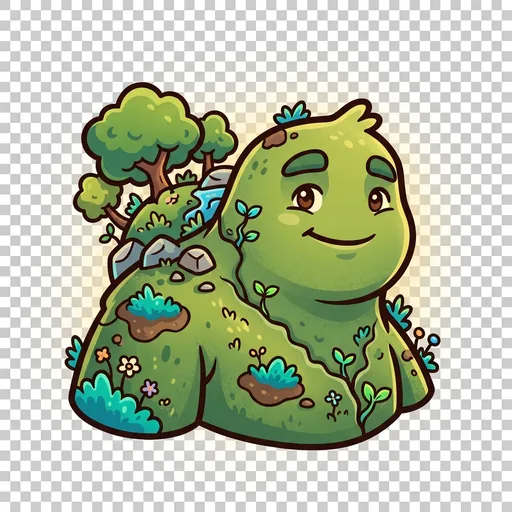
Brink
Tipping points / ecosystem thresholds / resilience-or-collapse
-
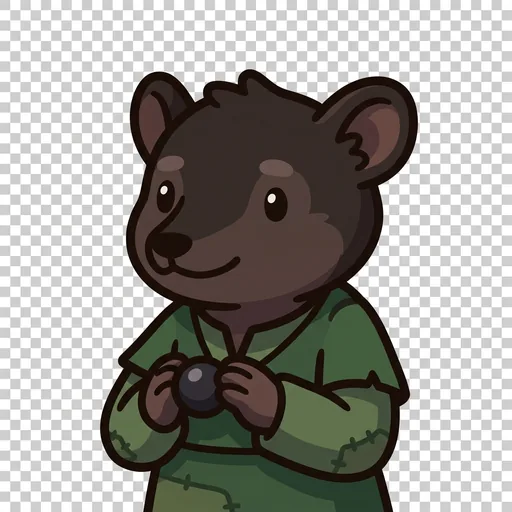
Cinder
Carbon cycle — the same carbon moves round and round: air to plant to animal to air
-

Lodge
Keystone species — one species that holds a whole ecosystem together; remove it and the web unravels
-
Mulch
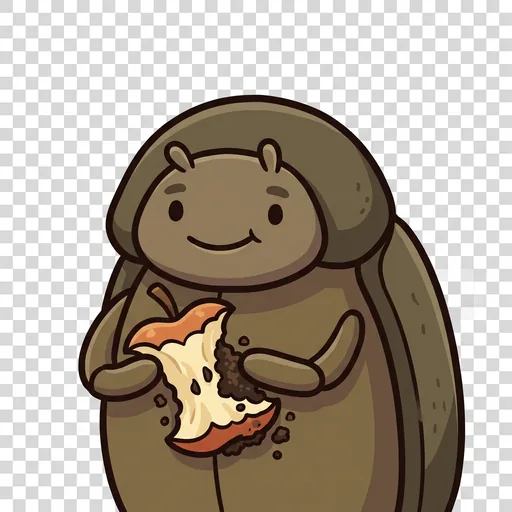
Decomposition — what dies doesn't leave; it is broken down and handed back to the living
-

Rill
Water cycle — the same water goes round forever: sea to sky to rain to stream to sea