
The Trade-Wind
TRADE-WIND — *what moved between civilizations? goods, ideas, diseases.*
Listen along — The Trade-Wind
Loading audio…
Press play to listen along. The line being read lights up as you go.
Show full transcript
Loading transcript…
Chapter 4 — The Trade-Wind and the Movement Between Worlds
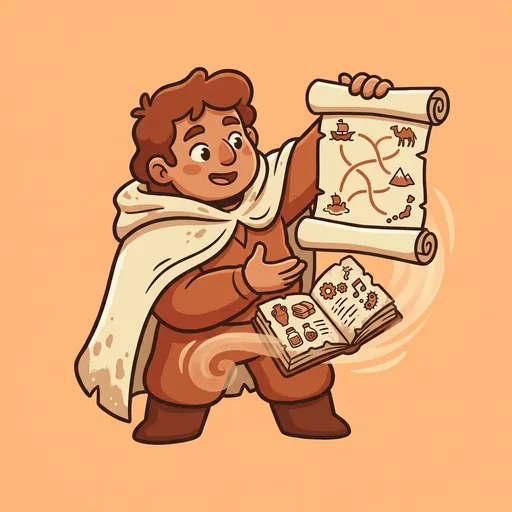
The Trade-Wind wasn’t a real person. He was more like a story come to life. He wore a long, chunky cloak. It looked like a cartoon drawing. He carried a small map. He also had a stack of papers. One was a cargo list. Another was a special ledger. This ledger tracked diseases and ideas.
The Trade-Wind was adult-sized. But he had a kind, warm face. His cloak was a soft cream color. It looked stained by salt and dust. He had traveled many miles. He always wanted to know how things connected. He loved to ask, “What moved between civilizations? Goods, ideas, diseases.” His map was special. It showed old trade routes. Routes for silk, spices, and salt. Routes across oceans and deserts. His cargo list named things that moved. Things like actual stuff. But his ledger was even more interesting. It tracked other things that traveled. Things like new ways to build. Or different religions. Or languages. Even diseases and music. These were often the most important things that moved.
The Trade-Wind had a big job. He wanted to show everyone a secret. Many people think old civilizations lived all alone. They think places only met up much later. But that’s not true. The Trade-Wind knew better. He knew people had traded for thousands of years. They shared things across huge distances. The Silk Road is a good example. It moved goods from China to Europe. It also carried ideas and even diseases. This happened for over 1,500 years!
The Indian Ocean was another highway. Ships sailed between Africa, India, and China. This happened long before Europeans arrived. Caravans crossed the Sahara Desert. They linked West Africa to the Mediterranean Sea. Brave Polynesian sailors crossed the Pacific Ocean. They found new islands. People in the Americas traded too. They moved things like special stones and chocolate.
All this sharing had huge effects. The Black Death traveled along trade routes. Smallpox came to the Americas after 1492. It made many people sick. Gunpowder and paper came from China. Potatoes and tomatoes went from the Americas to Europe. Horses came to the Americas from Europe. Every time people met, things changed. Thinking places were all alone is wrong. The Trade-Wind wanted everyone to see these connections. He wanted them to see how much things moved.
The Trade-Wind spoke in a clear voice. It sounded a little rough, like sea salt. “What moved between civilizations?” he asked. “Goods, ideas, diseases. Always remember that!” He leaned closer. “When you learn about any old place, ask two questions. What came there from somewhere else? And what did they send out?” He pointed to his map. “The Silk Road carried silk from China. It brought horses and glass to China. New religions traveled both ways. Buddhism, Christianity, and Islam. Paper and gunpowder moved too.” He traced another line. “The Indian Ocean carried spices. It moved cotton and ivory. People shared Islam and Buddhism. A hundred different languages traveled there. No civilization is a closed box. Borders on maps are just ideas. The real story is how everything connected.”
The Trade-Wind taught about connection in many ways. He showed how old trade routes worked. These routes existed long before the year 1500. The Silk Road was one. The Indian Ocean routes were another. He said, “People have traded over long distances for thousands of years. It’s an ancient thing.” He also taught about what moved. It wasn’t just goods. It was also new tools and ways of doing things. Religions, languages, and foods traveled. Even diseases, music, and art moved. “Cargo is much more than just stuff,” he explained.
He talked about how sickness spread. The Black Death traveled along trade routes. Smallpox came to the Americas later. “Connections can have big effects,” he warned. He showed how food and animals moved. Potatoes and tomatoes went from the Americas to other places. Horses and pigs came to the Americas. “This changed how people ate,” he said. “It changed how they lived.” New ideas also spread. Numbers we use today came from India and Arabia. Paper came from China. Gunpowder and printing spread too. “Many things we think are ‘European’ actually started elsewhere,” he pointed out.
He made people question borders. “When someone says ‘Western history,’ ask yourself,” he said. “Was algebra Western? Or coffee? Or sugar? Most of these things came from all over the world.” He also corrected common mistakes. “Some people think old places were isolated,” he said. “That’s not true. Most big civilizations were deeply networked.” And he always reminded everyone, “Columbus didn’t ‘discover’ the Americas. Vikings were there before him. And Indigenous people had lived there for thousands of years. Discovery depends on who is doing the finding!”
The Trade-Wind wasn’t from one specific time or place. He was like a symbol. He held the stories of all the big trade networks. His cloak showed it all. It was stained with sea salt. It was streaked with desert dust. And it had threads of silk from faraway lands.
He just appeared one day at ChronoQuest. Era, the main mentor, had asked a question. “What is connection?” Era wondered. The Trade-Wind stepped forward. “What moved between civilizations?” he replied. “Goods, ideas, diseases. That’s what connection is.” Era nodded slowly. “You are appointed,” she said.
In his workshop, the Trade-Wind unrolled his big map. “Watch,” he said. He traced a line from China. Silk moved west. He showed how religions traveled. Buddhism, Islam, and Christianity went both east and west. They used the same roads. He pointed to another path. The Black Death spread along those trade routes. Then he showed the Indian Ocean. Spices, ivory, and cotton moved across the water. The Swahili language spread there. So did Islam. He looked up. “I am the Trade-Wind,” he said. “I teach about connection. Remember this: goods, ideas, and diseases always travel together. Thinking places were all alone is wrong.”
He spoke gently. “Don’t study places all by themselves,” he said. “Look at what flowed between them instead. That connection is the real story. Most history books miss it. But without it, you can’t understand anything that happened.”
“What moved between civilizations? Goods, ideas, diseases.”
The ChronoQuest ensemble
The Trade-Wind is part of ChronoQuest's distributed-narrative cast. Each character embodies a different curricular primitive; together they teach the full subject.
-

The Cartographer
Frame-setter — where + when before what + why; methodological starting point
-
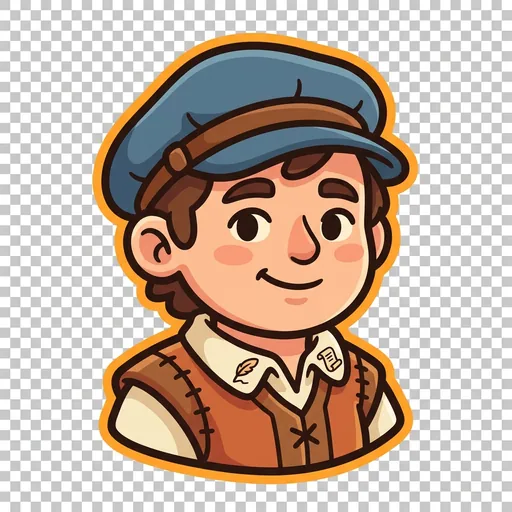
The Witness
Primary-source lens — what did people THERE see + write?
-
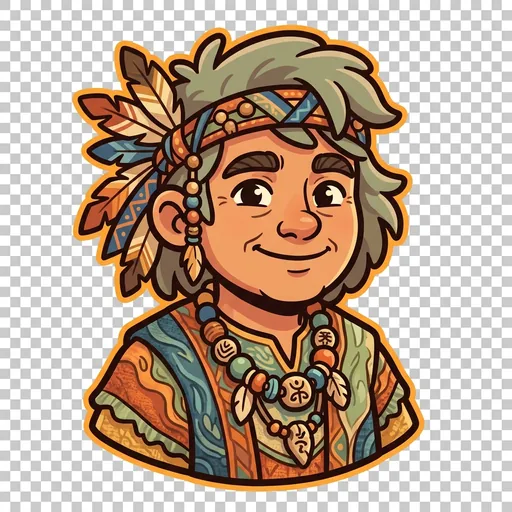
The Storykeeper
Oral-tradition lens — multi-tradition keeper-archetype; invented + non-mascotizing
-
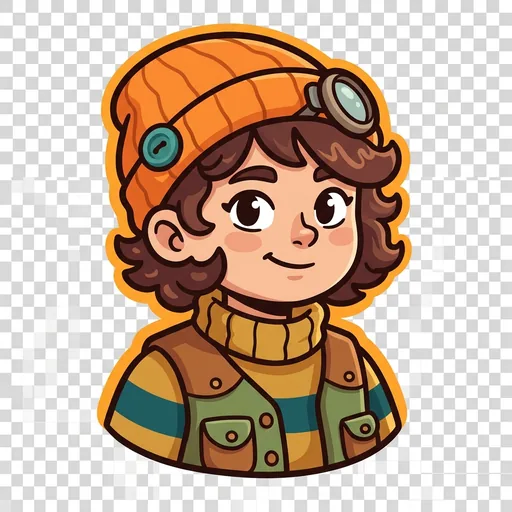
The Counter-Voice
Critical-analysis lens — who benefits from this version? historian's method, NOT cynicism
-
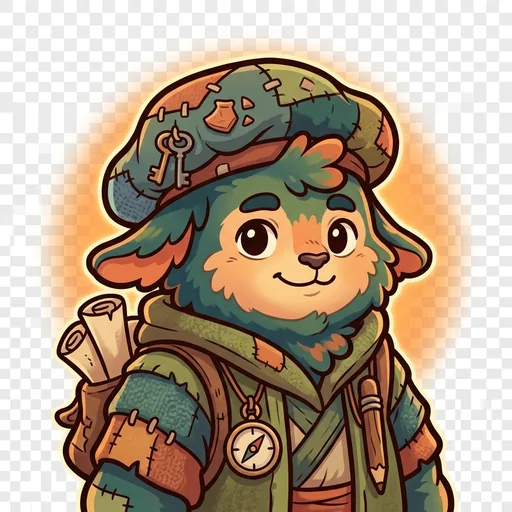
The Chronicler-of-the-Defeated
Stewardship lens — whose story doesn't survive in the winners' archive?
-
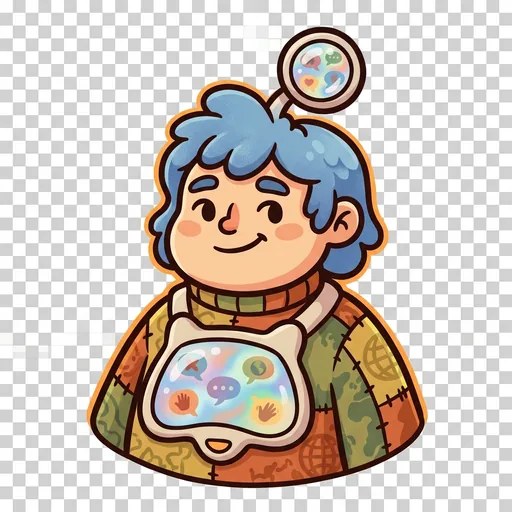
The Translator
Cross-language + cross-meaning lens — how do concepts travel between cultures?
-

The Question-Asker
Meta-inquiry lens — what question are we actually asking? late-arriving capstone guide