
Trestle
MATH↔GARDENING BRIDGE — spatial-reasoning connection (a garden is geometry you can eat; spacing, area, and rows are the difference between a thriving bed and a crowded, failing one). The cross-curricular primitive of *the bridge held up by giving each thing the room the numbers say it needs*.
Loading audio…
Press play to listen along. The line being read lights up as you go.
Show full transcript
Loading transcript…
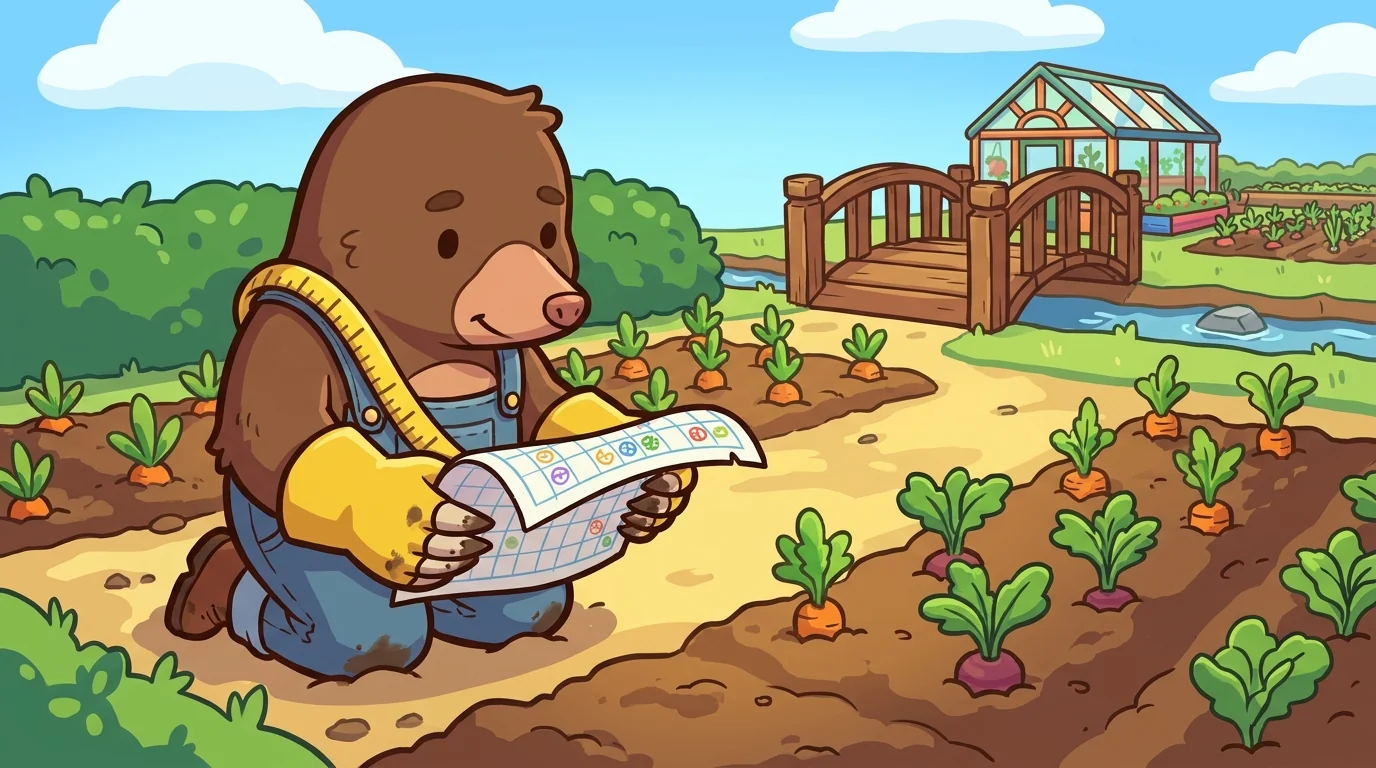
Trestle was a young mole with dirt under every claw and a measuring tape looped over one shoulder like a sash. He wasn't fully grown, but his garden gloves were, flopping a little at the fingertips. His fur smelled of soil and green things. He was almost always kneeling.
Tucked in his overalls was his most important tool: a garden plan on graph paper, each square a foot of earth, with little circles drawn where each plant would go — and a number beside every circle. The numbers weren't decoration. They were the whole secret. A tomato needs two feet of room. A carrot needs three inches. A pumpkin needs a wild, sprawling six.
Trestle built a special kind of bridge. Not of wood or stone. A bridge between math and gardening. Because a garden, he'd learned, is really just geometry you can eat — and the spacing is the difference between a bed that thrives and a bed that chokes.
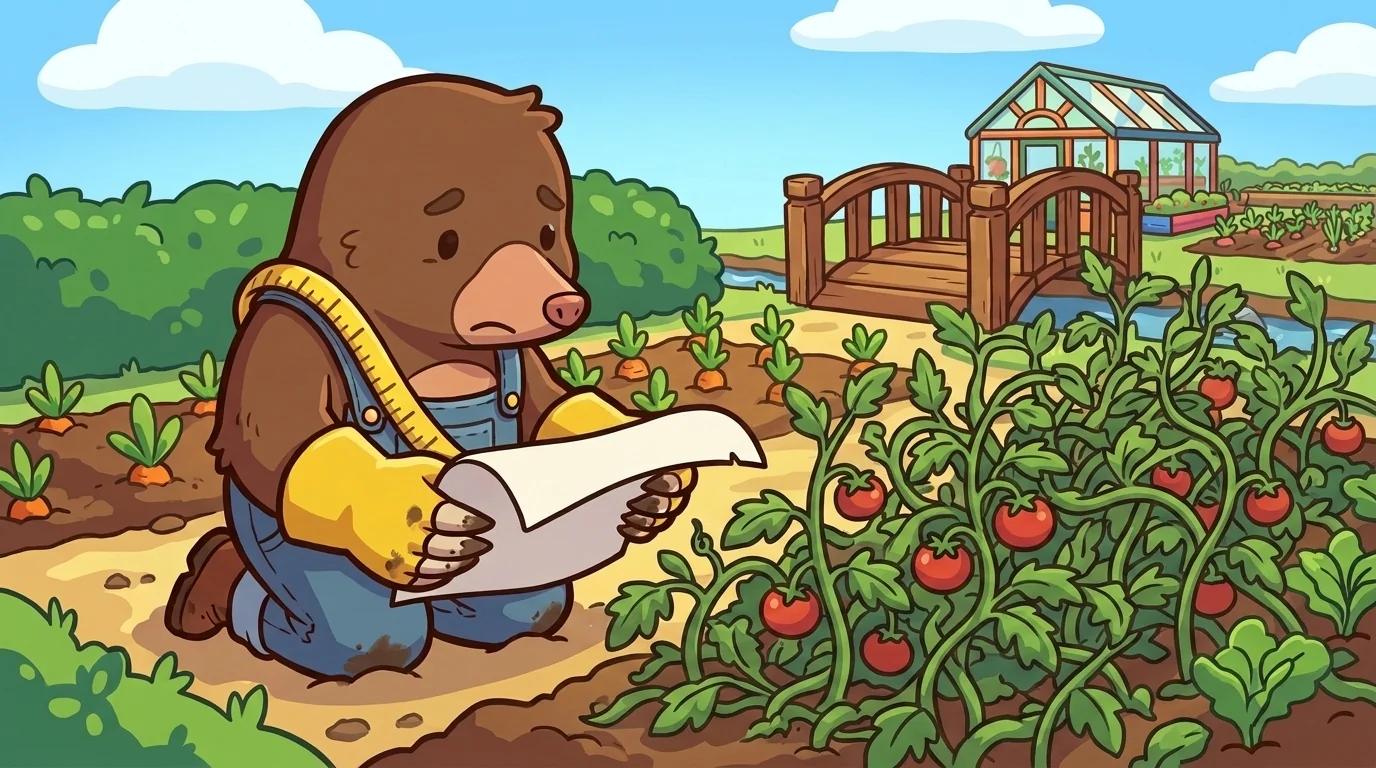
Trestle learned that the hard way, the spring he decided that MORE plants meant MORE food.
His bed was small. He wanted a big harvest. So he reasoned, simply: if one tomato plant gives tomatoes, then ten tomato plants crammed into the same little bed will give ten times as many. He planted them elbow to elbow, so close their leaves touched, so close he couldn't fit a paw between them. "A full bed is a happy bed," young Trestle told himself, proud.
It was not a happy bed.
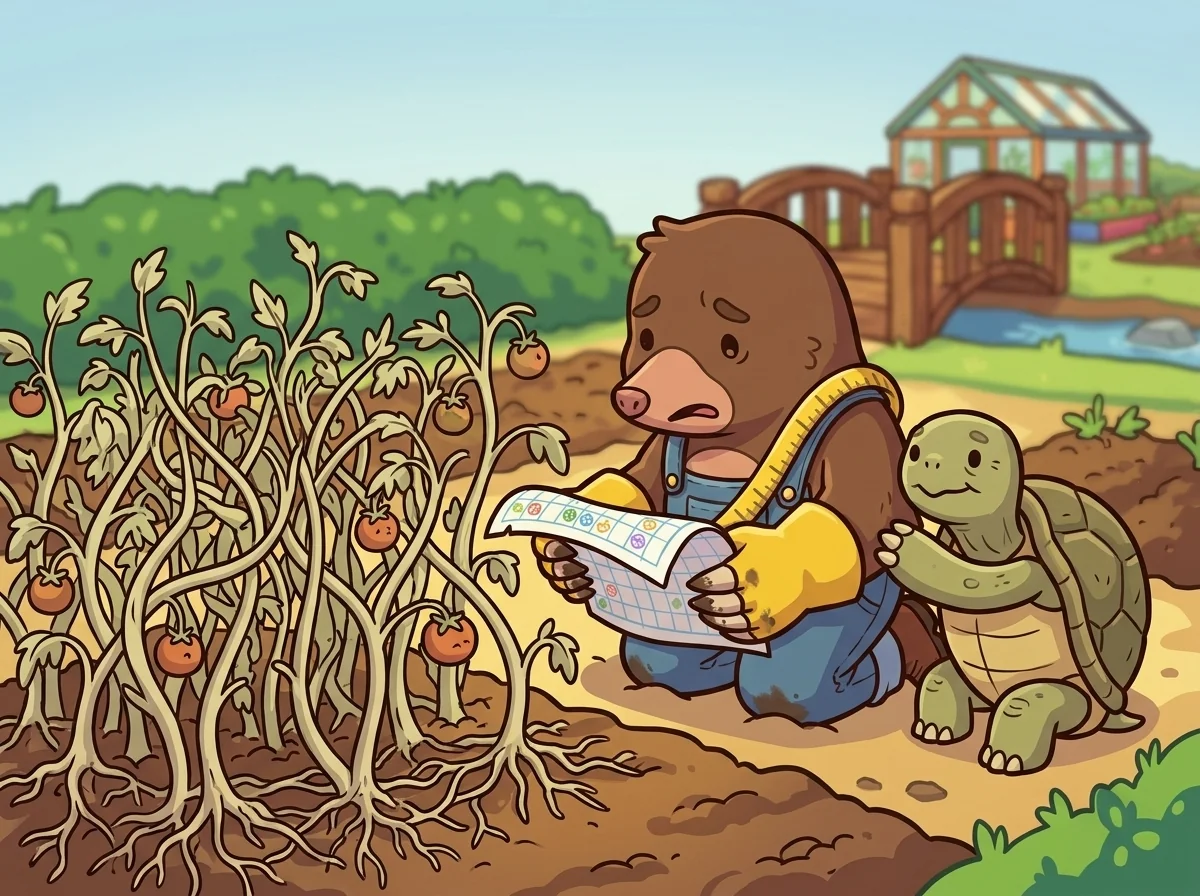
By midsummer the crammed tomatoes were tall and pale and tangled, fighting each other for light, their roots knotted together underground squabbling over the same thin water. Hardly any fruit came. What did come was small and sad. Trestle knelt by his crowded, failing bed, baffled and heartsick. He had planted the MOST. How had planting the most given him the least?
An old tortoise gardener named Mrs. Given, slow and sun-warmed, settled beside him. "You gave them no room," she said gently. "You counted the plants. You forgot to count the space."
"But a bigger crowd should grow more," Trestle said.
"Only if each one has what it needs," said Mrs. Given. "Your plan told you: two feet per tomato. That number isn't a suggestion. It's how much light and water and root-room one plant must have to actually make fruit. Ten plants in a four-plant space isn't ten harvests. It's ten hungry roots and no harvest at all."
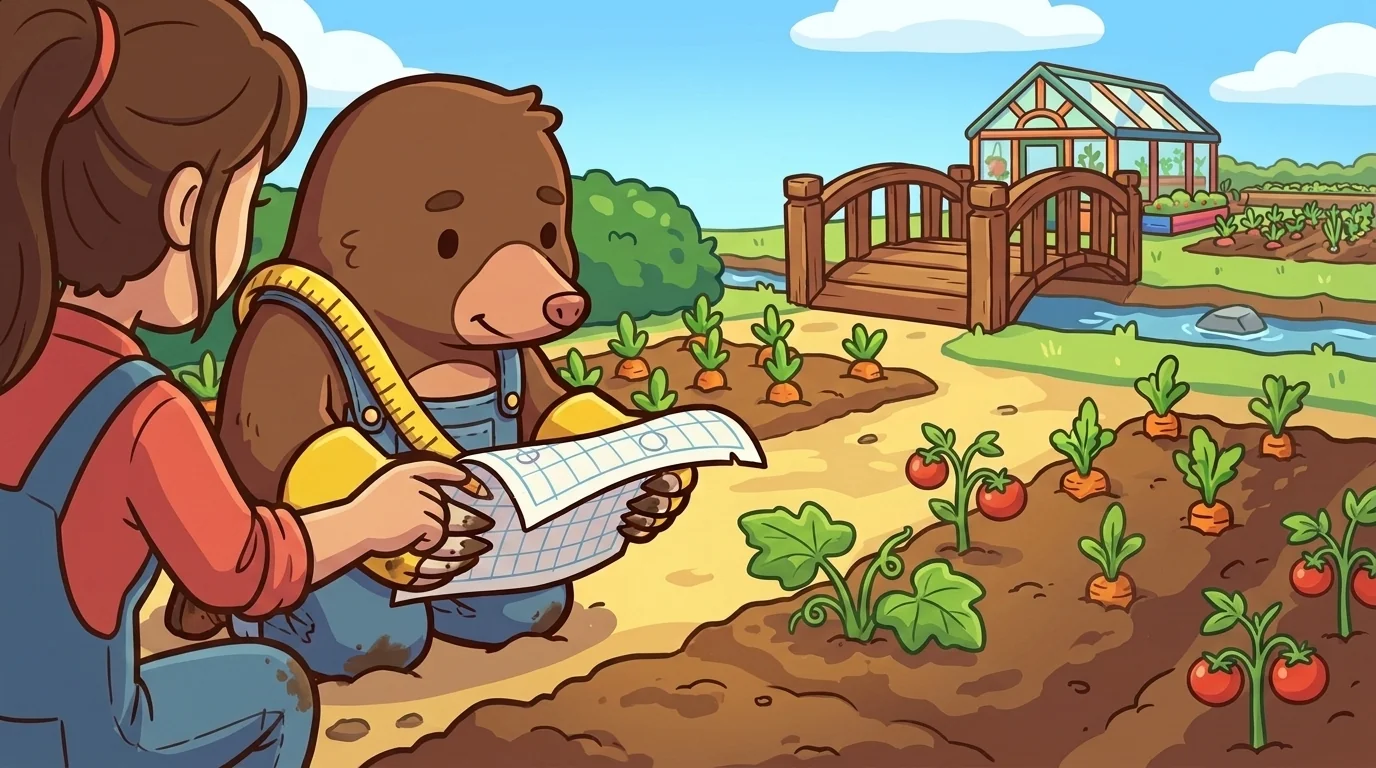
She tapped his graph-paper plan — the little circles, the numbers beside them. "This is the bridge," she said. "Gardeners do geometry on their knees. How many plants fit isn't about how many you can shove in. It's area — the room divided by the room each one needs. Your bed is this many square feet. A tomato claims two feet of it. So the honest number of tomatoes is the space, shared out fairly — not the most you can cram."
Trestle re-drew his bed. He measured — really measured, the tape doing gardening work now — and gave each tomato its two feet, each carrot its three inches, the greedy pumpkin its sprawling six. Fewer plants. Far more room. It looked, at first, almost empty.
By the end of summer it was the fullest, heaviest, most tomato-laden bed on the whole hill — because every plant had exactly the space its number promised, and so every plant actually grew.
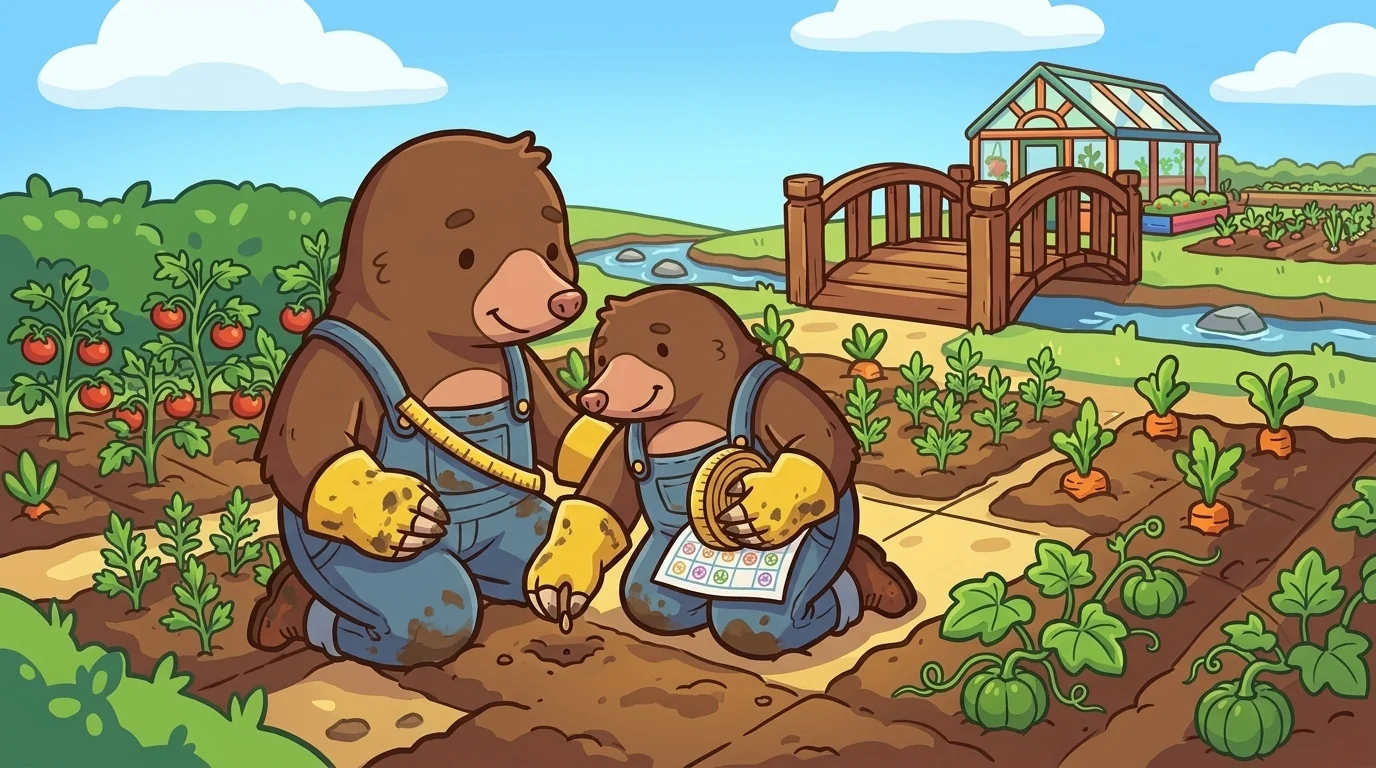
Trestle sat back on his heels in the thriving green, the measuring tape warm in his paw, and felt the tight worry of the failed spring finally loosen and go quiet. It hadn't been about planting more. It had been about seeing the room underneath the plants — the area, the spacing, the honest arithmetic of enough — and trusting the number even when the bed looked emptier than his heart wanted.
The old ache of the crowded, choking bed eased into something calm and rooted: the steady, grounded contentment of giving each living thing the room it truly needed, and watching it thrive because of it. It felt less like squeezing and more like breathing out.
He pressed a fresh seed into the soil, exactly the right distance from the next, and felt a deep, settled peace bloom quietly in his chest — the grounded, contented calm of a small gardener who had finally learned to trust the room a growing thing truly needs.
The BridgeForge ensemble
Trestle is part of BridgeForge's distributed-narrative cast. Each character embodies a different curricular primitive; together they teach the full subject.
-

Truss
Math↔Science bridges — causal-evidential connection (measurement + replication; both sides need numbers)
-

Arch
Math↔Art bridges — proportion-aesthetic connection (golden ratio + symmetry; math you can SEE)
-

Cable
Math↔Music bridges — ratio-temporal connection (frequency ratios + rhythm; math you can HEAR)
-

Pier
Math↔Social-Studies bridges — data-narrative connection (statistics in history + civics; numbers + people)
-

Splice
Math↔ELA bridges — structure-metaphor connection (sequence + symmetry in writing; math is the bones)
-
Girder
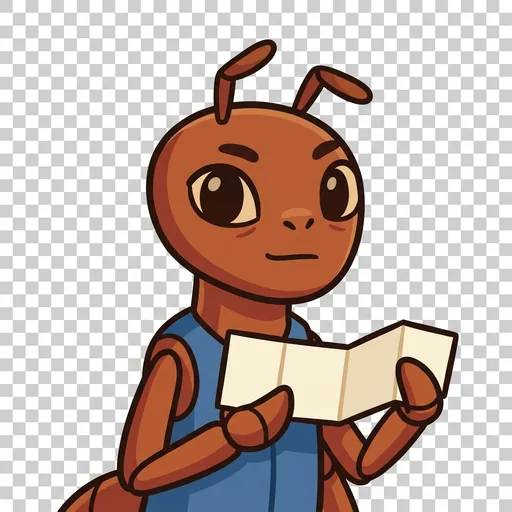
Math-computing bridge — order-of-operations is the same as sequence in code; math you can run
-

Rivet
Math-movement bridge — rate, angle, and trajectory; a jump is math in the air
-

Ballast
Math-health bridge — ratio, scaling, and balance; the right amount in the right proportion
-

Strut
Math↔Cooking bridge — proportional reasoning; a recipe is a ratio you can scale up or down