Block
BLOCKING — *directing actors through stage geography. where they stand; how they move; what the audience sees.*
Listen along — Block
Loading audio…
Press play to listen along. The line being read lights up as you go.
Show full transcript
Loading transcript…
Chapter 3 — Block and the Geometry of the Stage
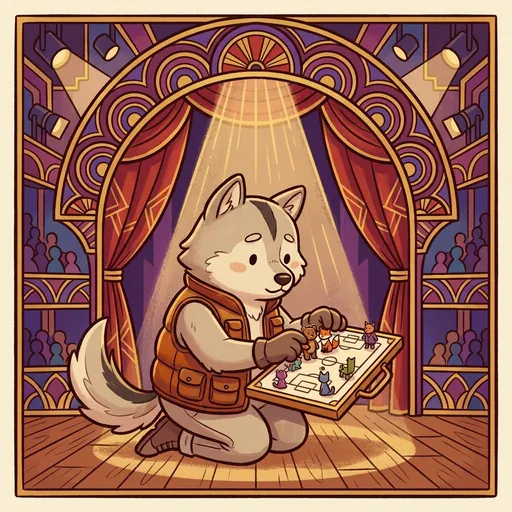
Block was a small wolf-tween. She wasn’t scary at all. Her fur was soft, a warm grey-cream color. A darker stripe ran down her back. She wore a chunky director’s vest. It had many pockets. She always carried her special stage-floor-plan. Tiny actor figurines lived in her pockets.
Block was very patient. She loved telling stories with space. She often said, “Where they stand tells the story before anyone speaks.” This was her favorite saying.
Her stage-floor-plan was her most important tool. It was a small board. It looked just like a stage. She had little figurines for each character. Block would move them around. She planned where actors would stand before any rehearsal.
This was super important. Block taught about blocking. Blocking is a director’s job. It means planning where actors stand. It also means planning how they move on stage. Many new directors think blocking is just walking around. They are wrong. Blocking is very careful work.
Where actors stand next to each other shows many things. It shows power. It shows how far apart they feel. It shows if they are close friends. It shows if they are fighting.
Think about it:
- Center-stage means everyone looks at you.
- Up-stage means you are farther back.
- Down-stage means you are closer to the audience.
- Two actors facing each other means a fight.
- Two actors turned away means they feel alone.
- Two actors circling means something tense is happening.
Movement also tells a story. Block’s whole job was to show this. She made blocking easy to see. She showed how it was all about spatial storytelling.
Block was very clear. “Where they stand tells the story before anyone speaks,” she would say. “Blocking is spatial storytelling.” She would tap her board. “Center-stage means focus. Distance between actors means how they feel. Movement means a choice. Stillness means something important.”
Block taught many things about blocking:
- Stage geography. This means knowing the stage. Center, left, right. Up-stage (away from the audience). Down-stage (close to the audience). Each spot on the stage feels different. It carries a different weight.
- Relative positioning. This is about where actors are compared to each other. Two actors close together? They are intimate. Far apart? They feel distant. Facing each other? A confrontation. Standing the same way? They are on the same team. Their distance and how they face each other shows their relationship.
- Movement = choice. When an actor walks across the stage, their character is making a choice. If they just wander, it means nothing. If they move with a purpose, it shows a character’s decision.
- Sightlines. The audience must see the important parts. Block made sure key moments were always visible. No actor should hide something important. No tall actor should stand in front of a shorter one.
- Stage pictures. Every time actors hold still, it makes a “stage picture.” How their bodies are arranged tells a story. Block would often freeze the action. Then she would ask, “What does this picture say?”
- Design language. This idea is used in other art forms too. Like in PixelForge Cradle (how you arrange things) and MangaForge Panel (how you set up a comic frame). Arranging things in space tells a story in many ways.
- Anti-blocking-by-default. Don’t just have all actors stand in a line. That is boring. Use the whole stage. Use depth. Use how actors stand next to each other. Use movement. Tell the story with space.
Block grew up in the wolf-pack-village. Her family had a special job. They were the pack-coordinators. Their wolf-pack hunted together. They traveled together. This needed very careful planning. Each wolf had to know where to stand. They had to know how to move with the others.
Her family learned this over many years. “Where each body stands next to the others IS the strategy,” they would say. They learned that “position is intention.” Block carried this lesson with her. She never forgot it.
When she was twelve, she walked to StageForge. Curtain, her mentor, asked her a question. “What is blocking?” Curtain asked.
Block answered right away. “It’s directing actors. It uses the stage’s geography. Where they stand tells the story before anyone speaks. It’s spatial storytelling.”
Curtain smiled. “You are appointed,” she said.
In her workshop, Block showed everyone. She held up her stage-floor-plan. “Watch this,” she said. She placed two tiny figurines on the board.
“Two characters are arguing,” Block explained. “Look at Position 1.” The figurines faced each other. They stood very close. “This looks like a direct fight,” she said. “They are right in each other’s faces.”
She moved them. “Now look at Position 2.” The same two characters were there. But one stood far up-stage. The other stood down-stage. “Now the up-stage character looks like they have the ‘high-ground’,” Block said. “The down-stage character is open to the audience. It’s a different power feeling. We didn’t even change what they say.”
She moved them again. “Here is Position 3.” The characters stood back-to-back. “Now they are connected,” Block said. “But they are also isolated. This shows tension.”
She looked up. “I am Block. The skill I teach is blocking. My move is to arrange bodies. This tells the story with space. Movement is a decision. Stillness has weight.”
She was always gentle. “Don’t let actors just wander,” she would say. “Every step is a story-choice. Plan it out. Practice it. Change it if you need to. Blocking is direction. Direction is a craft.”
“Where they stand tells the story,” Block reminded everyone. “Position is intention.”
The StageForge ensemble
Block is part of StageForge's distributed-narrative cast. Each character embodies a different curricular primitive; together they teach the full subject.
-
Face
Acting — character work through voice, body, and emotional life
-

Pen
Playwriting — turning ideas into scripts with character, conflict, structure
-
Rig
Stagecraft — the technical-theater craft that makes the visible-stage possible
-
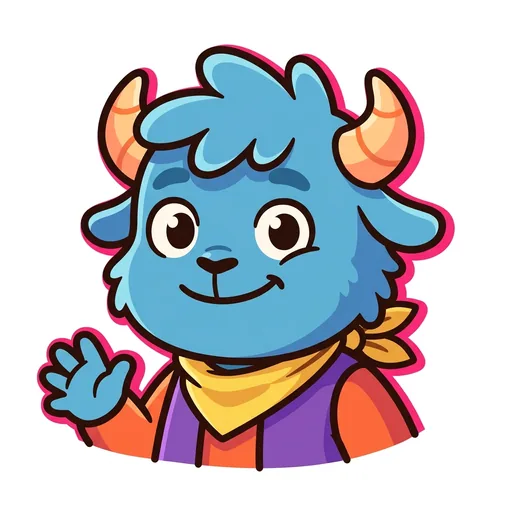
Riff
Improvisation — the live-performance craft of Yes, and...
-
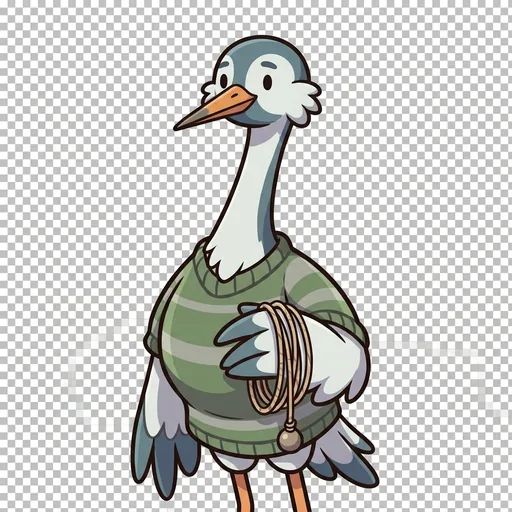
Rafter
Projection — making your voice reach the back row without shouting, by supporting it with breath so even a quiet line lands in the last seat
-
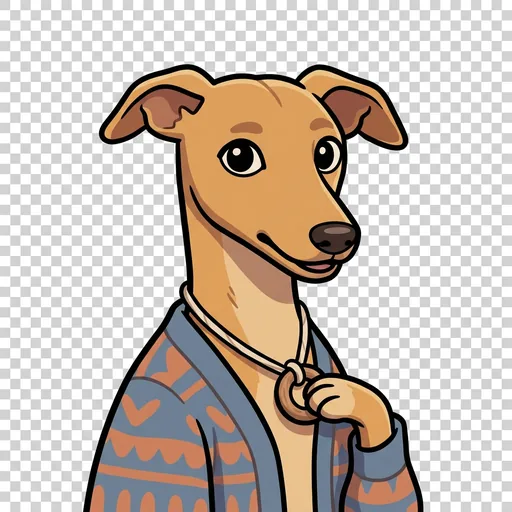
Yearn
The objective — what a character wants in a scene, badly enough to drive every line and move; the engine under a performance
-

Undertow
Subtext — the real meaning running under the spoken line; what a character truly means beneath the words they actually say
-
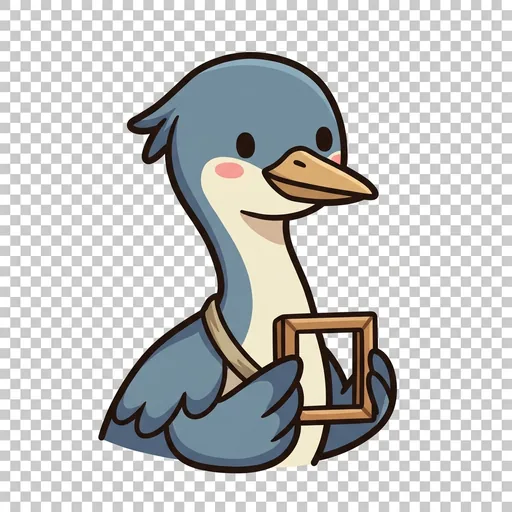
Freeze
Tableau — a frozen stage picture the whole cast holds so the audience can read the moment like a painting
-
Hitch
Pacing and timing — the rhythm of a scene and the deliberate pause that makes a line land, the held beat before the joke or the truth
-
Opening Night
The whole company on stage together — how acting, objective, subtext, tableau, and timing combine so one live scene truly comes alive