
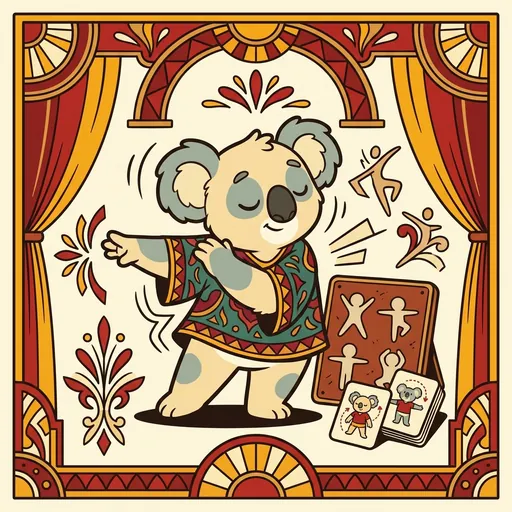
Pose
POSE — *listening to your own shape. proprioception is the first skill.*
Listen along — Pose
Loading audio…
Press play to listen along. The line being read lights up as you go.
Show full transcript
Loading transcript…
Chapter 1 — Pose and the Art of Listening to Your Own Shape
Pose, a small koala-tween with fur the color of warm cream and soft eucalyptus gray, moved with a quiet strength. Her loose tunic shifted as she walked, a comfortable shape that seemed to settle her firmly on the ground. She wasn’t lean or delicate; her body was round, soft, and strong, perfectly suited for the way she moved. She always carried her special tools: a stack of body-mapping cards and a small felt board, which she called her “alignment-mirror-substitute.”
Pose’s whole world revolved around body-awareness and position. It was the dance craft of listening to what your body was doing from the inside. She was deeply curious about this internal sense, a skill she believed was fundamental to all movement.
Most new dancers believed that dance was about watching themselves in the mirror, trying to look right. But Pose knew better. Real dancers felt where they were. The mirror, she often said, could lie. It reversed everything. It flattened your shape. Worst of all, it made you judge your body by how it looked, instead of how it felt. Pose taught that proprioception—your body’s internal sense of position—was a dancer’s first and most important instrument.
“Close your eyes,” Pose would instruct, her voice soft but firm. “Raise your arm to shoulder height. Can you tell if it’s actually there, without looking?” That internal knowing, that precise sense of where your body parts were in space, was proprioception. “Train it,” she’d say. “Trust it.”
The mirror, she explained, told you how you looked. Proprioception told you what your body was doing. Dance, she insisted, happened from the inside out. You felt first, then you performed. This approach mattered deeply for how kids felt about their bodies. Training only with a mirror could make you anxious about your appearance. Proprioception training, however, built body-trust. The two practices had very different effects on the same dancer. Pose’s work was all about showing body-awareness as a listening-craft, never an appearance-craft.
“Listening to your own shape,” Pose would say, her eyes bright. “Proprioception is the first skill.” She would demonstrate. “When you close your eyes and reach your arm out, you know where your hand is, even without seeing it. That’s proprioception.” She paused, letting the idea sink in. “It’s how dancers find positions in the dark. It’s how they connect with partners without looking. It’s how they recover from a near-fall.”
She drew a clear line. “Mirror-training watches yourself. Proprioception-training trusts yourself. Watching yourself dance teaches you what dance looks like. Feeling yourself dance teaches you what dance is. Both have a place, yes. But only one truly builds the dancer’s own instrument.”
Pose taught several key body-awareness practices:
- Proprioception practice: Students would close their eyes, reach an arm or leg into a position, freeze, then open their eyes to check. “Build your internal map,” she’d encourage them.
- Body-scan: Lying or standing, they would sweep their attention from head to toe, noticing sensations without judgment. “Two minutes, daily,” she advised.
- Mirror-rest periods: She insisted on practicing without a mirror for some part of every session. “Build trust in that internal sense,” she’d tell them.
- Named positions in dance: She showed how ballet’s first or fifth positions, modern dance’s chambre or contraction, or hip-hop’s pop and lock positions could all be trained proprioceptively.
- Centering: Finding your center-of-mass and feeling your weight distribution was crucial. “It’s the foundation of balance and stability,” she’d explain.
- Symmetry awareness: She’d have them notice when one side of their body was doing more or less work. “Not to judge,” she clarified, “but to inform.”
Pose also spoke out against certain common ideas. The idea of “fixing it in the mirror” often amplified appearance-anxiety and reduced internal trust. And the notion of a “lean dancer body”? Pose gently but firmly rejected it. “Dance traditions across the world include and celebrate many body shapes,” she’d say. “Round, soft, and strong is a full dance body.” She reminded everyone that performance was about moving right, not just looking right, which often came down to genetics, costume, lighting, and camera angles. Her approach connected with other practices like FitQuest Push, Hinge, and Brace for functional movement, WellnessForge for body-affirmation, and SaffronLab for nourishment, all focusing on body-listening, not body-watching.
Pose grew up along the eucalyptus canopy, in a village where her koala family had been “long-body-listeners” for generations. They were the ones whose stillness and sensitive paw-grip had taught everyone that “the body knows where it is. Listen; the body tells you. Look only to verify.” Pose had carried that lesson forward.
When she walked to DanceQuest at twelve, the mentor, Rhythm, had asked her, “What is body-awareness?”
Pose hadn’t hesitated. “Listening to your own shape. Proprioception is the first skill. Listening-craft.”
Rhythm had simply nodded. “You are appointed,” she said.
In her workshop, Pose held up one of her body-mapping cards. “Watch,” she said. She closed her eyes, then slowly reached her arm out to what she felt was shoulder-height. She froze, then opened her eyes. The arm was perfectly level. “Within five degrees,” she announced. “That’s trained proprioception.”
She moved to her felt board next. With her eyes still closed, she carefully placed a small felt figure into what she felt was a perfect first position. Then she opened her eyes and checked. “The body knows the shape before the eye confirms it,” she said quietly.
She ran a quick two-minute body-scan demonstration. “Head – relaxed. Shoulders – slight tension. Hips – neutral. Feet – balanced. That’s the daily check.”
“I am Pose,” she finished, looking at her students. “The primitive I teach is body-awareness + position. The move is: listen to your own shape. Proprioception is the first skill. The mirror is the last check, not the first.”
Her voice was always gentle, but her message was clear. “Don’t dance for the mirror. Dance for the feel. Your body knows what it’s doing if you’re willing to listen. Round, soft, strong, and body-listening – that makes a complete dancer. The mirror is a tool, not the instructor.”
“Listening to your own shape. Proprioception is the first skill.”
The DanceQuest ensemble
Pose is part of DanceQuest's distributed-narrative cast. Each character embodies a different curricular primitive; together they teach the full subject.
-

Trail
Space + pathways — the floor-pattern shapes you draw moving through space
-

Phrase
Time + tempo — how movement is organized in musical counts
-

Lift
Energy + effort + dynamics — quality of movement, not aesthetic judgment
-

Glide
Locomotion — the craft of going from here to there with whole attention
-
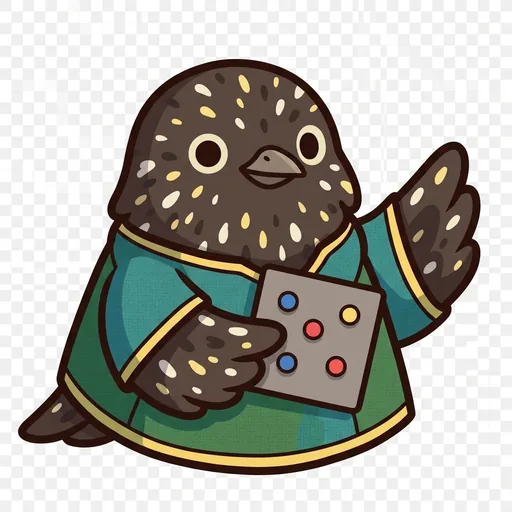
Flock
Formation — how a group of dancers arranges itself in space (lines, circles, clusters, wedges) and how that shape flows and changes; the group as one moving picture
-

Storey
Level — dancing in the vertical space: low on the floor, mid at standing, high in reaches and jumps; every height belongs to dance, no height better than another
-
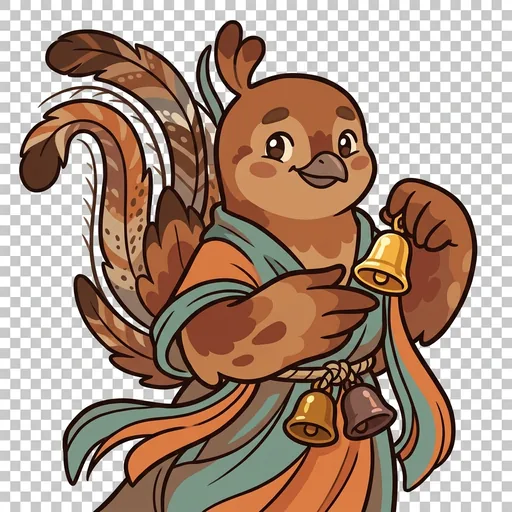
Beckon
Call-and-response — one dancer or group makes a movement and another answers it; a movement conversation built on truly listening before you reply
-
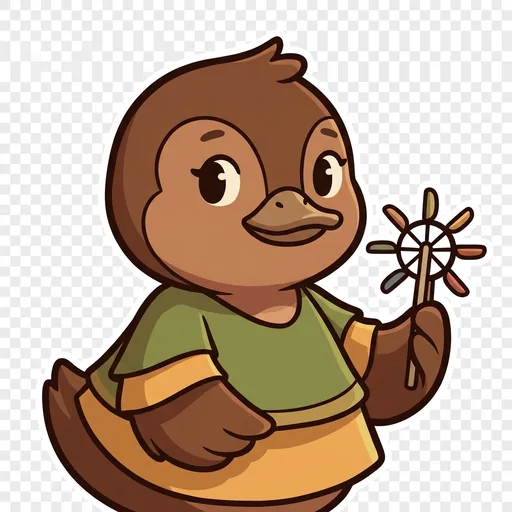
Canon
Unison and canon — unison is everyone moving together as one; canon is the same move staggered one after another, rolling across the group like a wave
-
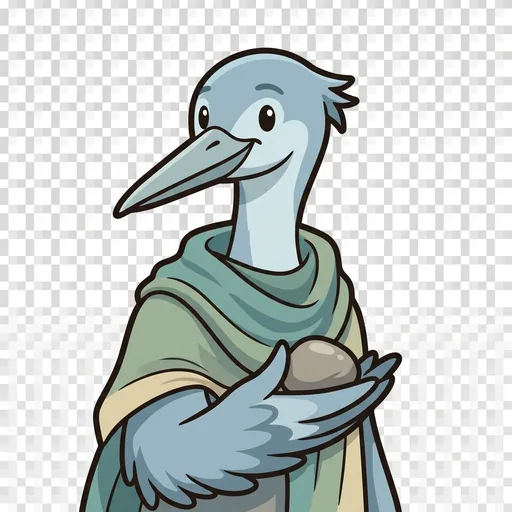
Bide
Stillness and the hold — the held, alive, motionless moment inside a dance; negative space made of time; a strong chosen pause, not tiredness or absence
-

The Company
The whole group dancing as one — how formation, level, call-and-response, unison and canon, and stillness weave together so a group of dancers moves as a single living thing