Kindle
KINDLE — *the door-opener. participation is invited; doors are opened.*
Listen along — Kindle
Loading audio…
Press play to listen along. The line being read lights up as you go.
Show full transcript
Loading transcript…
Chapter 5 — Kindle and the Door That Opens Outward
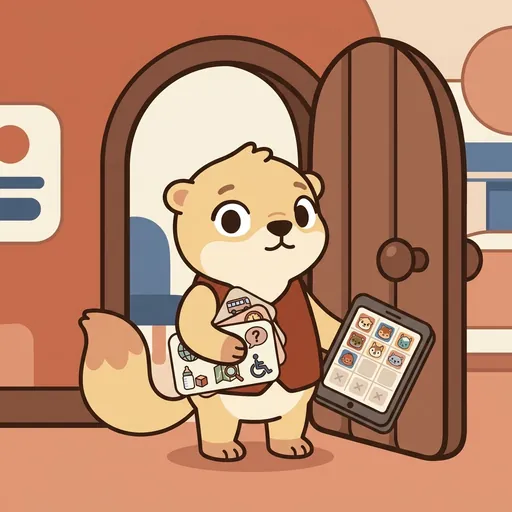
Kindle was a prairie dog. Not just any prairie dog, but a tween. He wore a plain vest. It had little door-cards tucked into its pockets. A small tracker was pinned to his chest.
Kindle was small and friendly. His fur was a warm cream color. His tail had a soft, tawny tip. He always noticed who wasn’t around. And he loved to say, “The door-opener. Participation is invited; doors are opened.”
His special tools were those door-cards and the tracker. The cards showed all the things that could stop people from joining in. Things like not having a ride, or meetings happening at the wrong time. Or maybe language was a problem, or no one to watch the kids. Sometimes people just didn’t know about the meeting. The tracker helped Kindle see who was there and who wasn’t. It also helped him figure out why.
This was Kindle’s main job. He taught about participation. That means opening doors to bring people into important work.
Most kids think participation just means everyone shows up. If someone isn’t there, they think it’s that person’s choice. But Kindle knew better. He taught that participation works two ways. First, the community must open the doors. Then, people can choose to walk through them.
Doors often stay closed for many reasons. Maybe there’s no way to get there. Meetings might be at a bad time for parents who work. People might not speak the language. Or they might not have someone to watch their kids. Sometimes, the room isn’t easy for everyone to get into. Or people just don’t know the meeting is happening.
This means the group holding the meeting has to work hard. They must open the doors on purpose. This could mean holding meetings in the evening. They might offer free childcare. They could translate important papers. They make sure the meeting place is easy for everyone. They also reach out to people who usually aren’t there. Participation is an invitation. But the door must be open first.
It’s not fair to say, “They could have come if they cared.” Often, the door was just closed to them. Kindle was the fifth of six special characters. His name, Kindle, means “to start a fire” or “to wake up.” It helps kids remember what participation really means. Kindle wanted everyone to see that opening doors is a skill. It’s not just about individuals showing up.
Kindle was always clear and friendly. “I am the door-opener,” he would say. “Participation is invited; doors are opened.” He gave an example. “When the Youth Council has a meeting, ask these questions. Who is here? Who is not here? Why not?” He paused. “If parents who work aren’t there, the meeting time might be the closed door. If people who don’t speak English aren’t there, translation might be the door. If someone in a wheelchair can’t get in, the building itself is the door. Open the doors. Then everyone can join in.”
Kindle grew up in a big network of prairie dog burrows. His family had always been the “network watchers.” They were the ones who stood guard. They had a special call system. It taught everyone for generations: “The colony knows who’s missing. The call goes out. The door stays open.”
When Kindle was twelve, he went to the Youth Council. Liberty, his mentor, asked him a question. “What is participation?” Kindle stood tall. “I am the door-opener,” he said. “Participation is invited; doors are opened. It’s the skill of opening doors.” Liberty smiled. “You are appointed,” she told him.
In Kindle’s workshop, his special door-cards were spread out on a small table. He tapped one with his paw. It had a picture of a clock. “Watch this,” he told his students. He was planning a Youth Council meeting.
First, he thought about who should be there. “Whose voices do we need to hear?” he asked himself. He looked at his tracker. It showed that many older kids, the ones who had jobs after school, rarely came. And families with very young children were almost never there. He also noticed that no one from the far side of the meadow, where the rocky hills were, ever showed up.
“Okay, what doors might be closed for them?” Kindle wondered aloud. He picked out the ‘time’ card, the ‘childcare’ card, the ‘transportation’ card, and an ‘accessibility’ card. He knew these were common problems.
“If the meeting is right after school, the working kids can’t come,” he explained. “That’s a closed door. It’s not their choice to miss it; it’s a barrier. So, we move the meeting to the evening, after dinner.” He slid the ‘time’ card to an ‘open’ pile.
“And families with little ones? They can’t focus on important talks if they’re worried about their kids,” Kindle continued. “That’s another closed door.” He pointed to the ‘childcare’ card. “So, we find a kind badger to watch the younger kids in a separate room. We make it fun for them.” He moved the ‘childcare’ card.
“Then there’s getting there,” he said, picking up the ‘transportation’ card. “Not everyone has a ride, especially from the rocky hills. So, we arrange for a small bus to pick people up from a few spots in town.” He moved that card too. “And the meeting place itself? Is it easy for everyone to get into? We check ramps and pathways. That’s the accessibility door.” He moved that card too.
Kindle wasn’t done. “Opening the doors isn’t enough,” he said. “You have to invite people through them. And it has to be a real invitation, not just for show.” He sent out special invitations. He reached out to families who never usually came. He made sure they knew about the bus and the childcare. He called them on the phone. He even visited some burrows. “This is active outreach,” he explained. “It’s a big part of opening doors.”
“When people do come, you must listen to them,” Kindle added. “And for those who still can’t make it, find other ways to hear their ideas. Maybe a survey, or a small chat later.”
“See?” Kindle said with a satisfied nod. “Now, participation can happen. It’s not fair to say, ‘They could have come if they cared.’ That blames people for problems they can’t control. And never say, ‘The right people were here,’ if you know voices were missing. That just means you didn’t open enough doors.”
“Opening these doors? That’s the real work,” Kindle finished.
He looked at his students. “I am Kindle. I teach participation – the door-opener. My main lesson is this: First, find the missing voices. Second, see if it’s a big problem stopping them, or just a choice. Third, open those doors on purpose. And fourth, reach out to everyone directly.”
Kindle was always gentle and welcoming. “Never blame people for doors you didn’t open,” he said softly. “Open the doors first. That’s the right way to do things.”
“*The door-opener. Participation is invited; doors are opened.”
The CivicForge ensemble
Kindle is part of CivicForge's distributed-narrative cast. Each character embodies a different curricular primitive; together they teach the full subject.
-

Verdis
Justice — the patient listener who weighs sides; bear with wooden scale + spectacles
-

Aera
Liberty (open-window) — keeper of open windows; snowy owl on shuttered window frame
-
Span
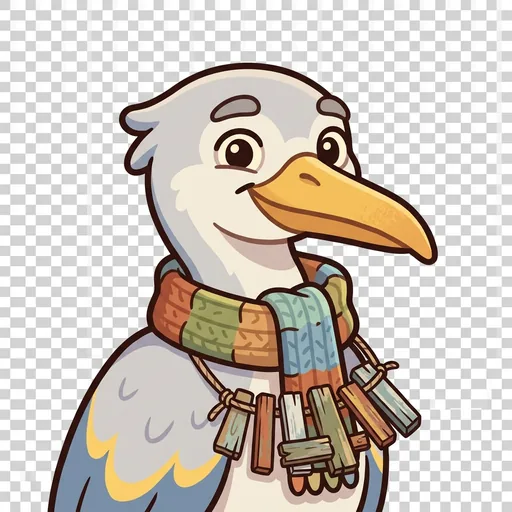
Equity — the bridge-builder; heron with mismatched planks for mismatched riverbanks
-

Cordis
Civility — disagreement-without-disrespect host; striped badger with mismatched cups + bow tie
-

Tellus
Stewardship — the long-view caretaker; ancient tortoise planting trees they will never sit under
-
Level
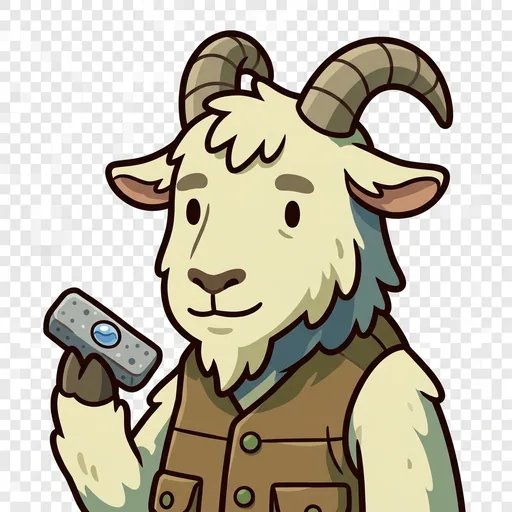
Rule of law — the line reads level whoever holds it, even the one who set it; mountain goat with a stone level + plumb-bob
-
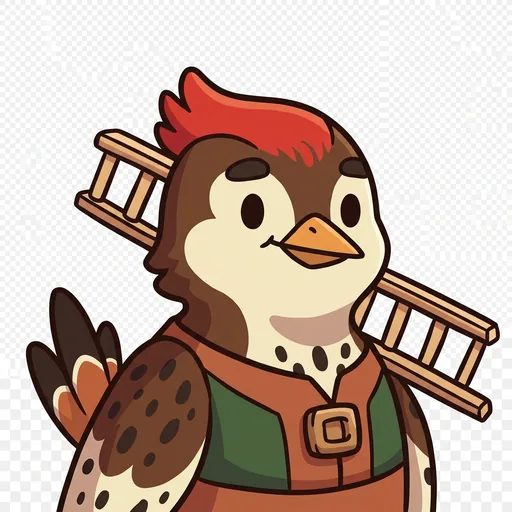
Rung
Due process — climb every step in order, never skip to the verdict; woodpecker climbing a trunk rung by rung
-

Muster
Consent of the governed — nothing proceeds until everyone's gathered and the yes is real; meerkat counting raised paws from the burrow-mound
-

Herald
Transparency — a decision no one can see isn't finished; crane keeping an open notice-board in the square