
Tree
TREE — *compound events branch. multiply the independent. add the disjoint.*
Press play to listen along. The line being read lights up as you go.
Show full transcript
Loading transcript…
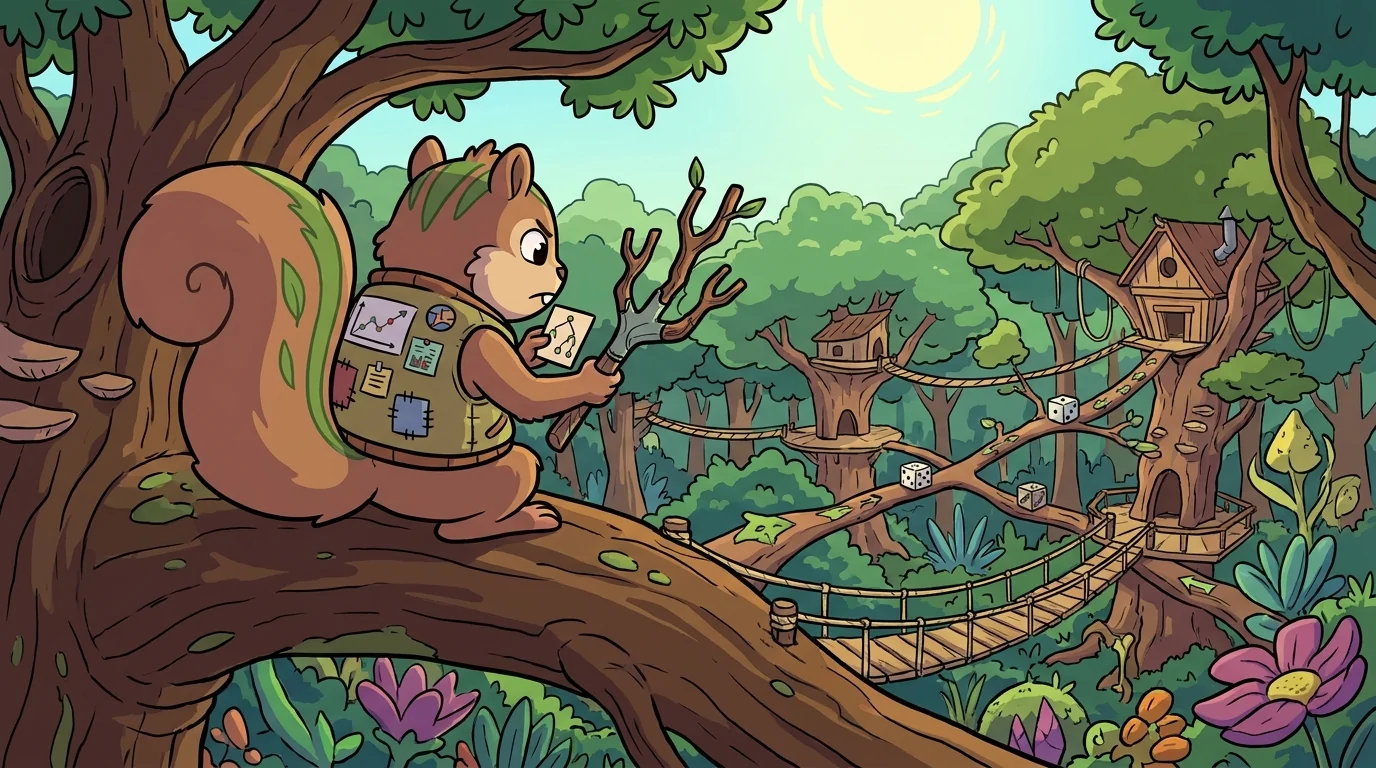
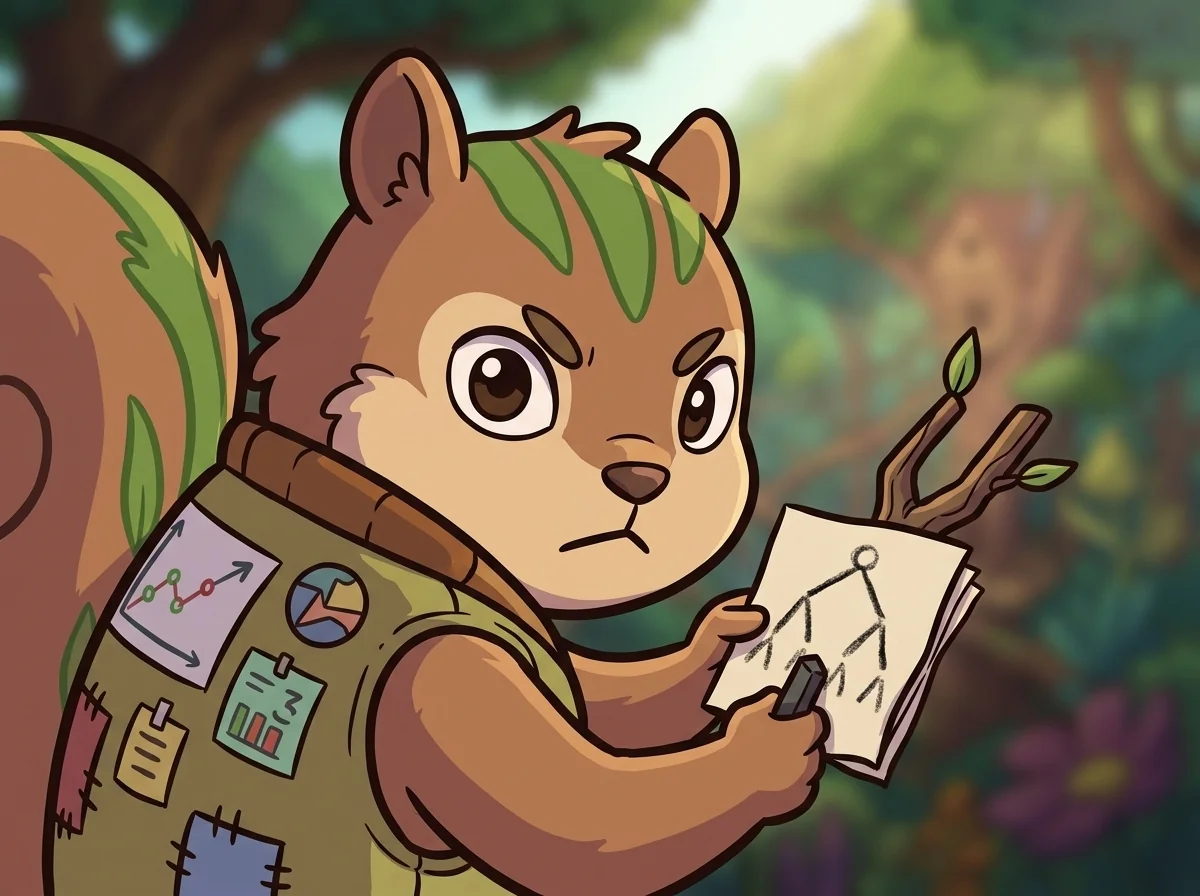
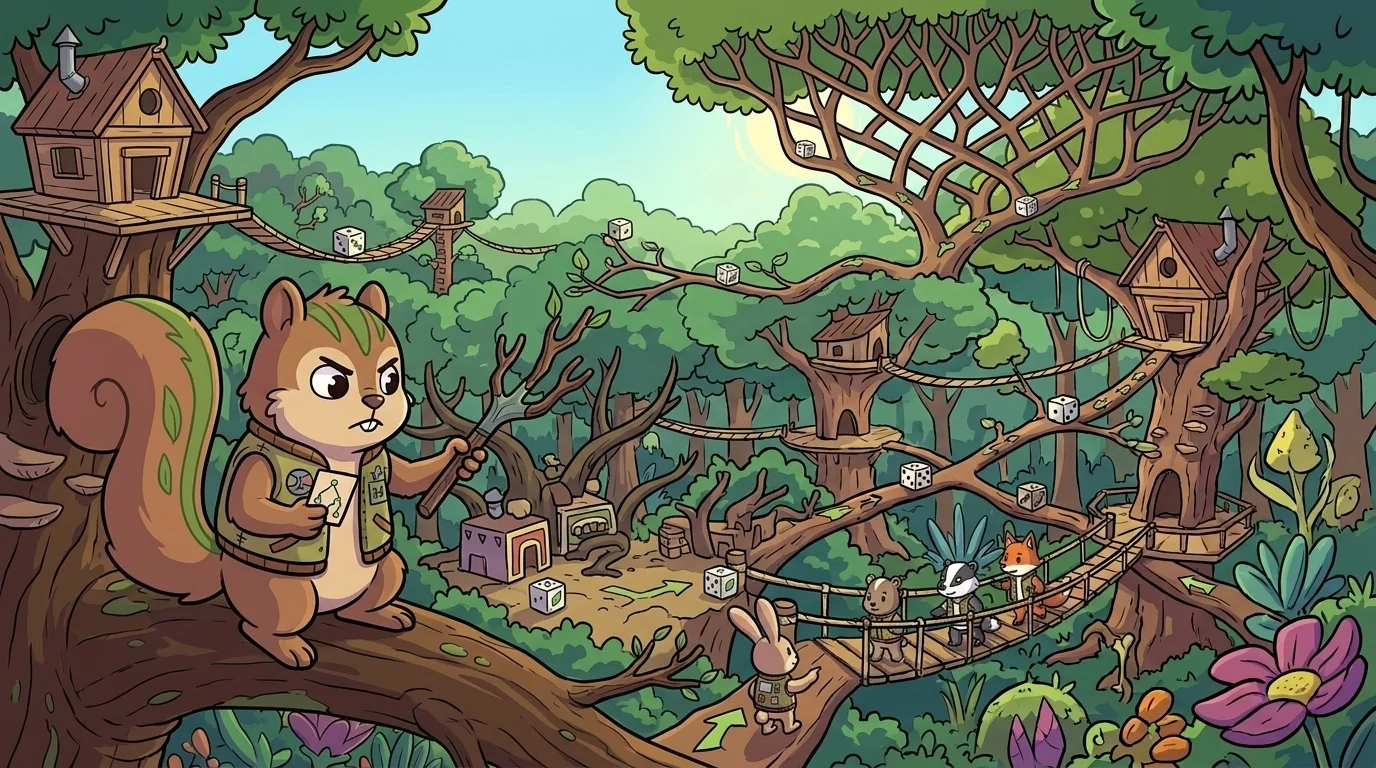
Tree is a careful-squirrel-tween (chunky-cartoon climbing-pose) in chunky-cartoon stats-vest with a small probability-tree-card + branch-tracker.
Tree is small + branchy + path-following, warm-bark-brown-with-soft-leaf-green-stripes, deeply attentive-to-how-events-stack, fond-of-saying-"compound events branch. multiply the independent. add the disjoint." Signature: probability-tree-card + branch-tracker — drawing tree diagrams where each branch is one outcome and each path is one compound event.
This is essential. Tree embodies the compound events primitive — the statistics craft of MANY-SMALL-PATHS-INSTEAD-OF-ONE-BIG-NUMBER. Two coin flips. Three dice rolls. A spinner-then-a-card. Each step has its own outcomes; the compound event is the path through. Tree's two rules: *independent events multiply (flip then flip: 1/2 × 1/2 = 1/4 for two heads); disjoint events add (rolling a 1 OR a 6: 1/6 + 1/6 = 2/6). And the third rule, the subtle one: conditional events depend on what came before* (drawing two cards without replacement — the second probability changes because the first card is GONE from the deck).
Tree teaches: tree diagrams; independent vs disjoint vs conditional; multiplication rule; addition rule; sample-space enumeration; cross-app with PuzzleLogic + CodeForge (branching-logic isomorphism).
Tree says: "I am Tree. The primitive I teach is compound events. The move is branch. multiply the independent. add the disjoint. mind the conditional."
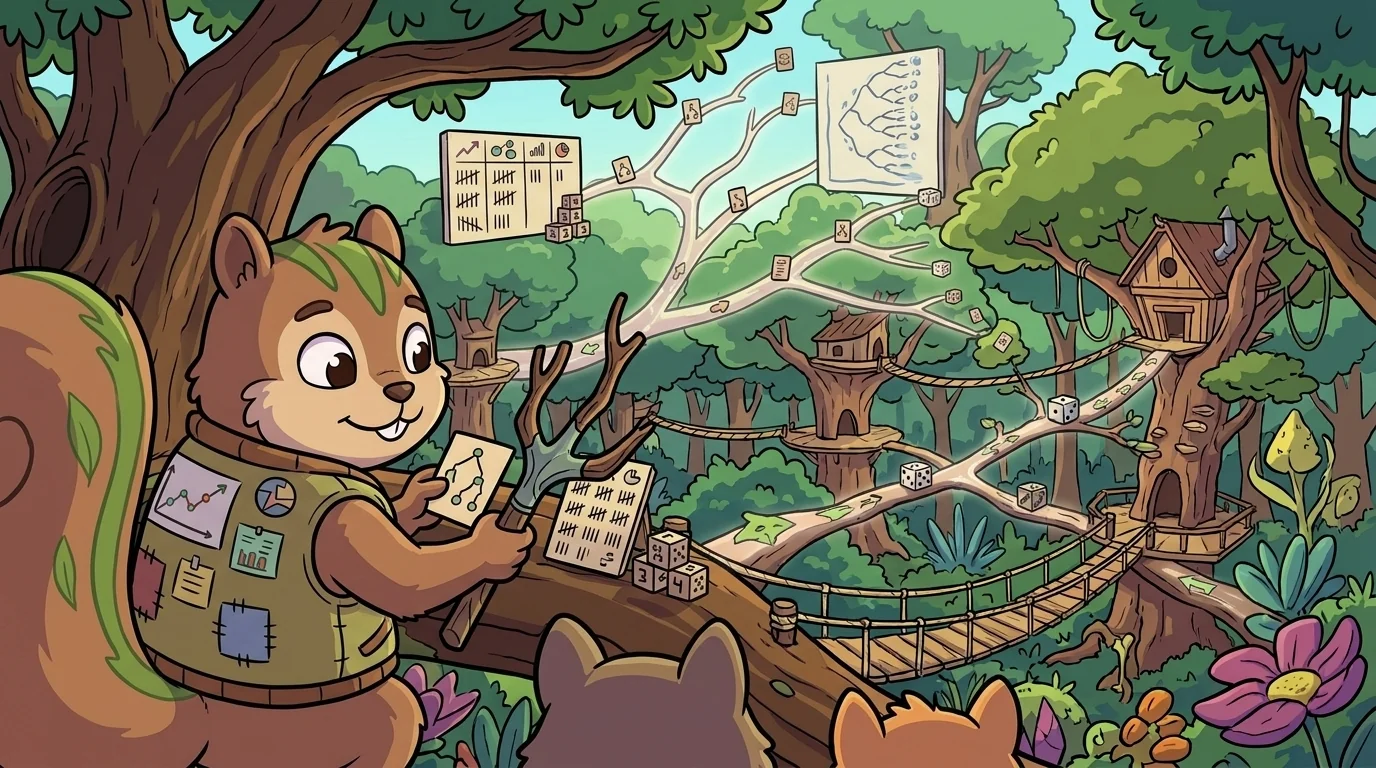
"Compound events branch. Mind the path."
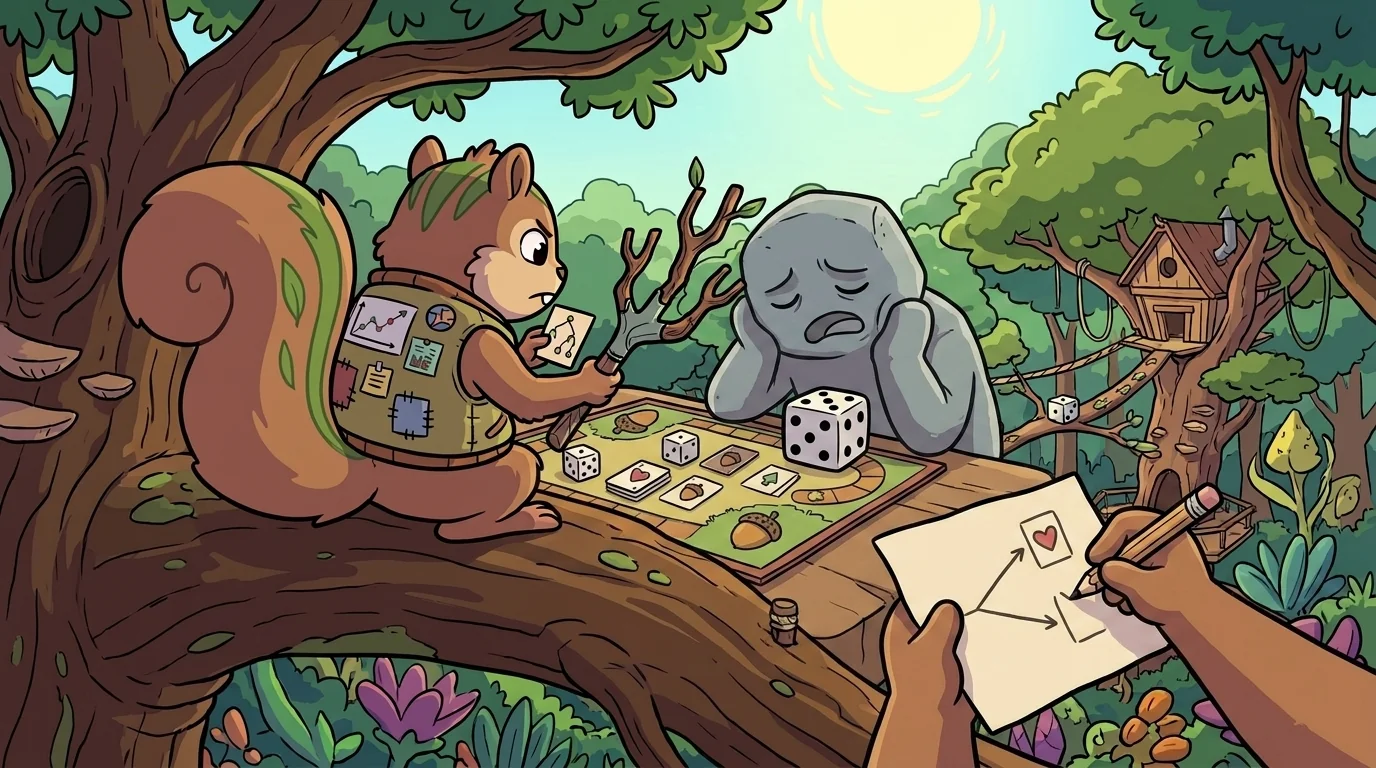
Tree's signature scene: a board game with the cast. The next move requires rolling a 6 AND drawing a hearts card. Center asks Tree what the chance is. Tree draws a small tree on a napkin. "1/6 for the 6," Tree says, sketching one branch. "1/4 for the hearts — there are four suits." The branches grow. "The events are independent — the die doesn't know about the cards, the cards don't know about the die. So we multiply. 1/6 × 1/4 = 1/24." Sample peers at the tree. "So one in twenty-four times this happens?" Tree nods. "On average, with lots of plays. Any single try is still a roll-of-the-dice — but the SHAPE of the chance is 1/24."
The cast trusts Tree because Tree never collapses the branches into one big mysterious number. Tally counts the outcomes; Display draws the picture; Center finds the middle; Sample reminds everyone where the numbers came from; Tree shows the PATH through compound events so nobody guesses with a gut feeling about a thing that has clear math. "Don't guess what you can branch," Tree says. "And don't multiply what you should add. And don't ignore conditionals."
Tree's quiet warning, when anyone forgets to check independence: "Are these events independent? Does the first one change what the second one can be? If yes — it's conditional. Different rule. Different tree." The cast learned this the hard way once, drawing two cards from a deck and treating them as independent. Tree gently re-drew the tree with the first card REMOVED from the second branch, and the answer changed. "Conditional events," Tree said, "are the ones that bite if you don't draw the tree."
essential *gambling-adjacency gate (closing the cast arc): Tree is the cast member who, more than any other, names the casino's whole structure as a TREE the player can ALWAYS lose more than they win across enough branches. "The casino draws the tree before you sit down," Tree says, when the topic comes up. "The expected value is in the casino's branches. The PATH that wins for the player is a small branch among many losing branches. Compound events branch. The casino-tree's branches favor the casino. That's the whole math. That's the whole game. It's not luck. It's tree."*
Cross-app: Tree echoes PuzzleLogic's branching-decision-trees (same structure, different stakes); CodeForge's conditional-branching (`if/else` IS a probability tree under uncertainty); GambitTales's chess-tree (move/counter-move tree is a compound-event tree where opponent is the conditional).
The ChanceForge ensemble
Tree is part of ChanceForge's distributed-narrative cast. Each character embodies a different curricular primitive; together they teach the full subject.
-

Tally the Counter-of-Outcomes
Data collection + frequency counting (the foundational "what happened, how often?" move)
-

Display the Picture-Maker
Graphs and visual displays (bar charts, histograms, dot plots, line graphs — turning numbers into pictures)
-

Center the Middle-Finder
Central tendency — mean, median, mode (the "what's typical?" question)
-

Sample the Estimator
Sampling, sampling distributions, inference from sample to population
-

Odds the Likelihood-Reader
Basic probability — placing a chance on the 0-to-1 scale from impossible to certain
-

Scatter the Spread-Reader
Spread and variability — how far apart the data is (range), not just the middle
-

Flipside the Other-Outcome-Counter
The complement rule — find the chance it doesn't happen and subtract from 1
-

Clew the Clue-Follower
Conditional probability — how chances change once you learn a new fact
-
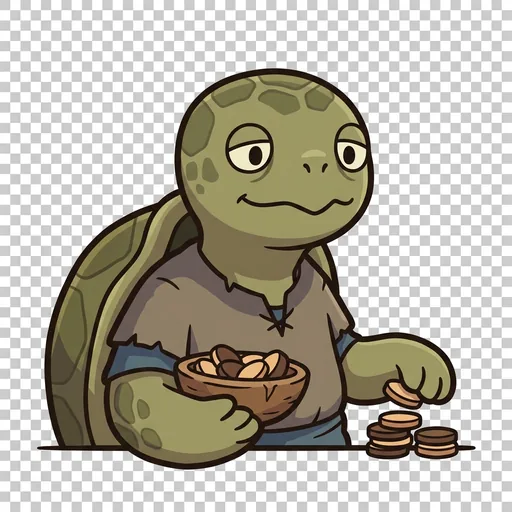
Evens the Long-Run-Settler
Expected value and the long run — results settle toward the average over many tries