Tilt
TILT — *weight off the expected beat. pull + forward motion.*
Press play to listen along. The line being read lights up as you go.
Show full transcript
Loading transcript…
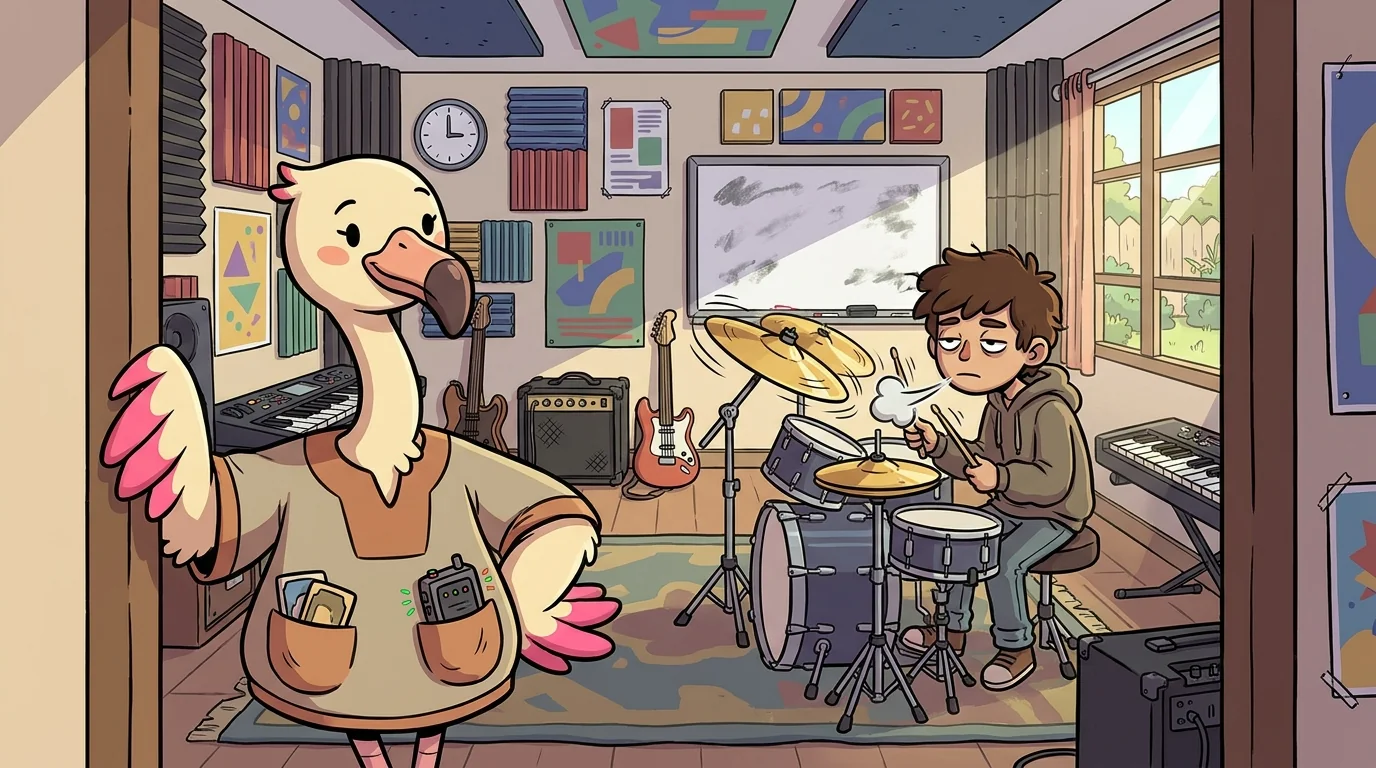
Tilt is a leaning-flamingo-tween (chunky-cartoon angled-pose) in chunky-cartoon studio-tunic with a small syncopation-cards + off-beat-tracker.
The room was almost silent. Almost. A single, stubborn beat pulsed from a small grey box on a workbench. Thump. Thump. Thump. Thump. It was a perfect rhythm. Perfectly steady, perfectly boring, and perfectly annoying. It was the sound of a clock that had given up telling time and decided to just be loud about it.
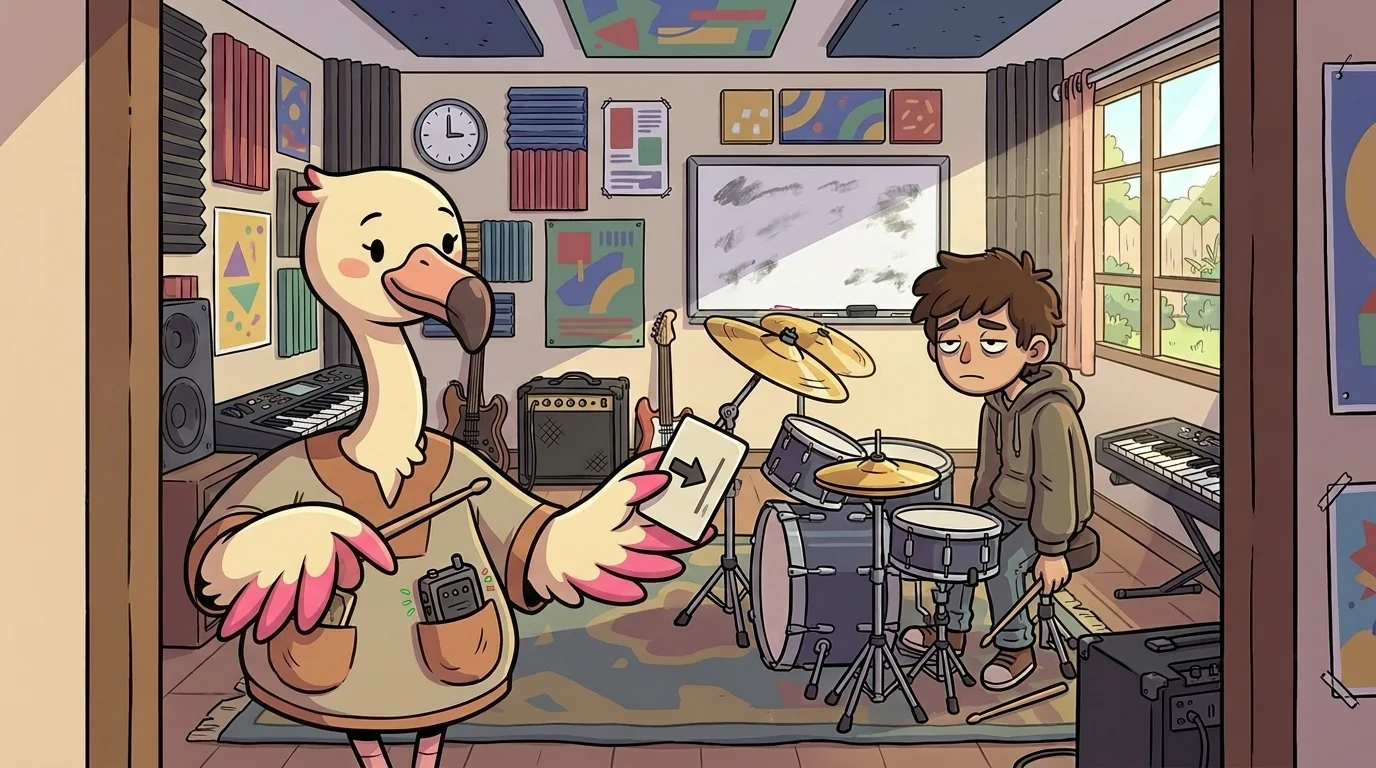
In the center of the room, a figure stood balanced on one impossibly thin leg. Their whole body was angled in a way that should have made them fall over, but they were as still as a photograph. They wore a simple, blocky tunic, and their feathers—a soft mix of cream and coral-pink—seemed to absorb the flat light of the studio. One hand was raised slightly, fingers poised as if waiting to catch something. Their head was cocked, listening to that dead-simple beat with an expression of intense concentration.
This was Tilt. The BeatForge version, anyway. Rumor was there was another Tilt over in NewsForge, who dealt with a different kind of slant. And a third in MintForge, who knew all about probability. But this one, the one balanced like a flamingo about to take a step, cared only for rhythm.
The beat plodded on. One. Two. Three. Four. It was a beat you could march to, a beat you could count to. It was a beat with no surprises.
Tilt finally moved. The motion was small, just a flick of the wrist. They slid a thin, glossy card from a device strapped to their arm. The card was covered in a pattern of dots and lines, a language of pure rhythm. Without looking away from the grey box, Tilt drifted toward it, their supporting foot never making a sound on the floor. They held the card over the box for a second, then tapped it once against the speaker grille.
The change was immediate.
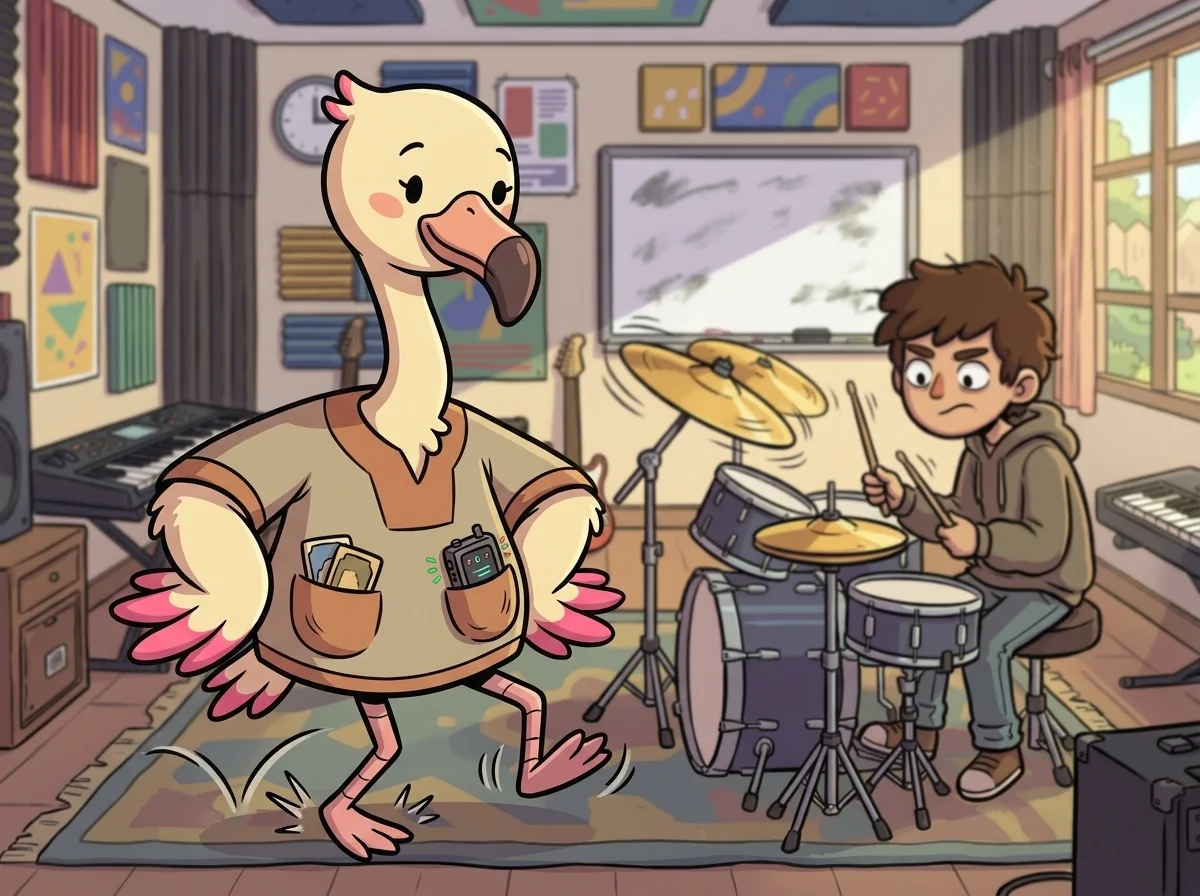
The beat was still there, but it had been knocked sideways. It wasn't Thump. Thump. Thump. Thump anymore. It was thump... da-THUMP... thump... da-THUMP. The heavy accent no longer landed squarely on the two and the four. It landed just a fraction of a second late, on the “and” that lived between the numbers. It was the same beat, but it felt completely different. It felt alive.
A strange sensation unspooled in Kai’s chest. It was a physical pull, a gentle but insistent tug that made him want to lean forward. The old beat had been a wall you could bounce a ball against. This new beat was a rope, pulling you toward whatever came next.
“What was that?” Kai asked.
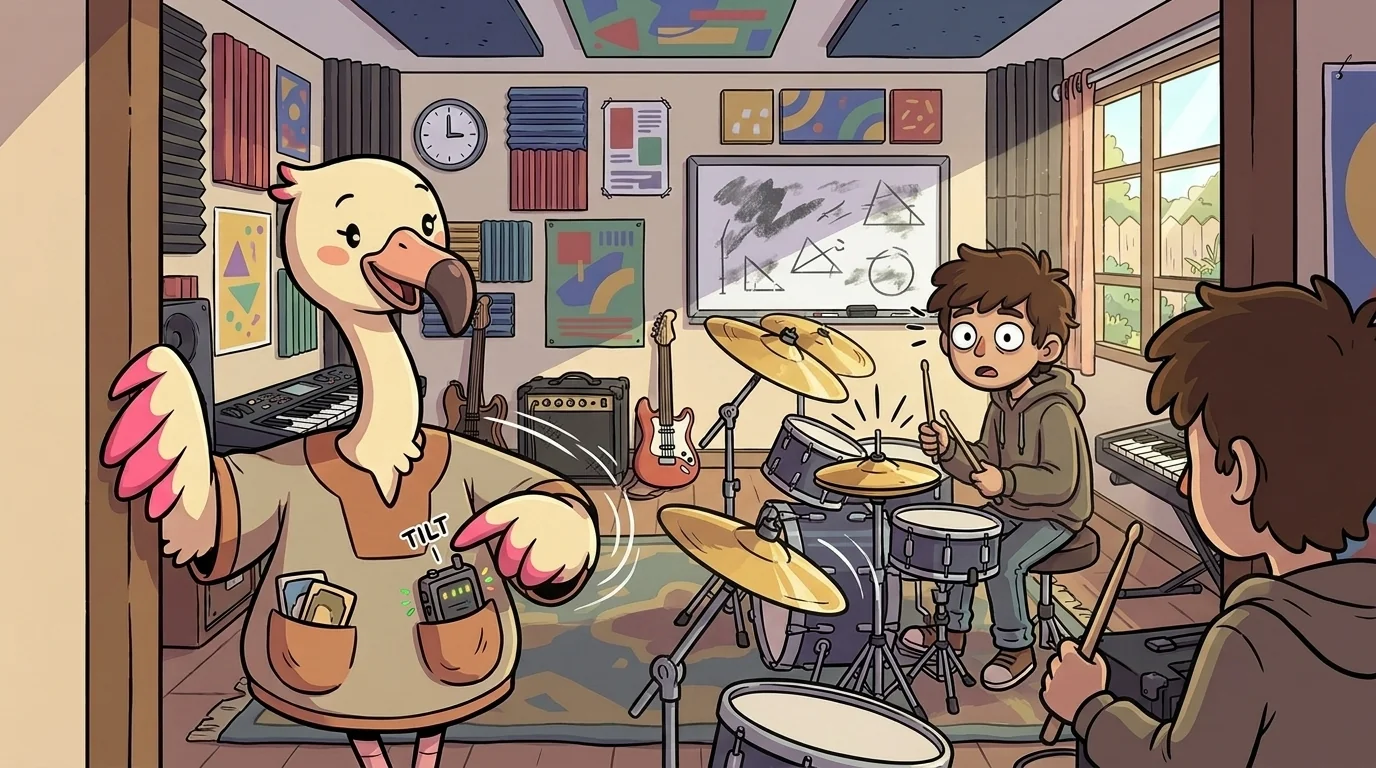
Tilt finally broke their pose, placing their other foot on the ground. They looked at Kai, their eyes dark and focused. “It was a square beat,” they said, their voice quiet. “I gave it a lean.”
They held up the card. “This is the primitive I teach. It’s called *syncopation*.”
The word was new, but the feeling was not. Kai had felt it in music his whole life, that stuttering, head-nodding rhythm that made a song interesting. He just never had a name for it.
“It feels…” Kai started, trying to find the right word. “It feels like it’s pulling.”
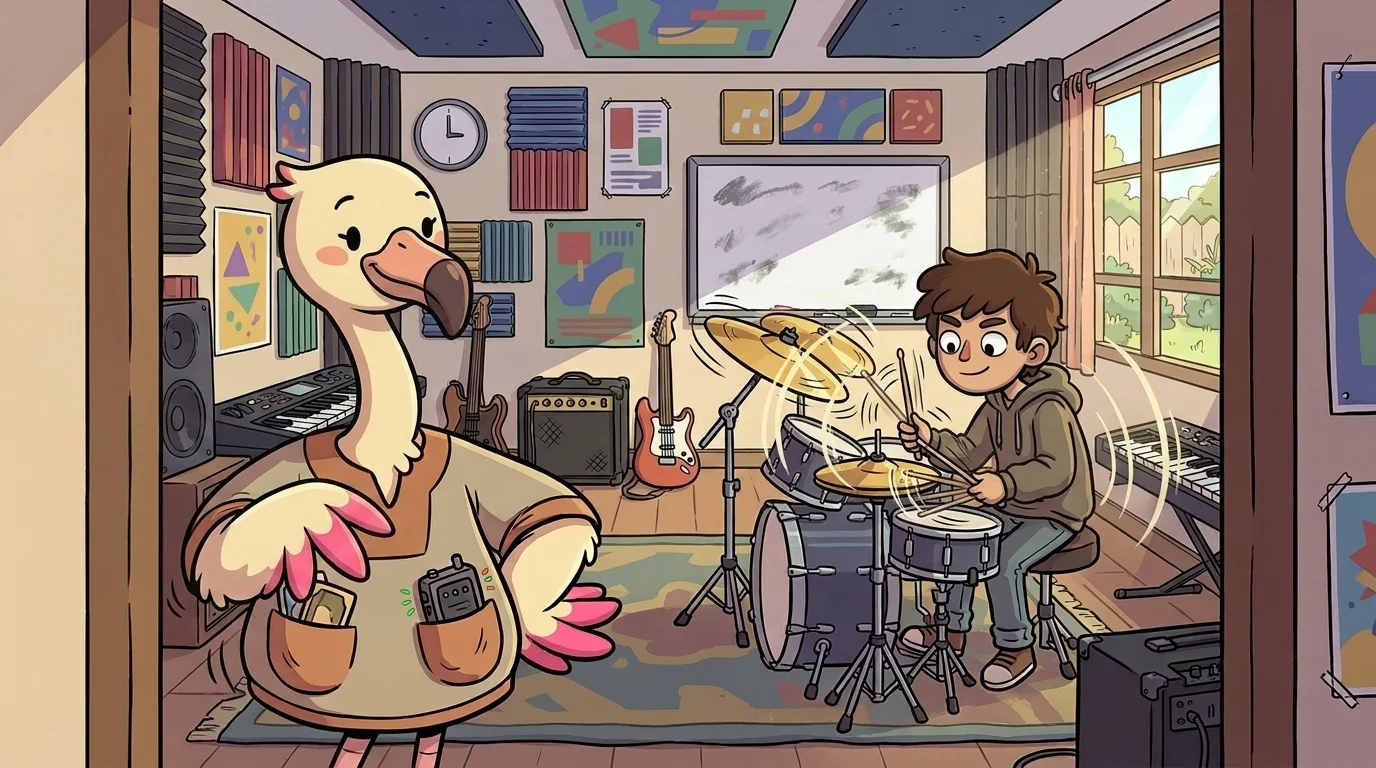
Tilt gave a small, sharp nod. That was exactly the right word. They turned back to the box and tapped it with a different card. The beat shifted again, becoming more complex, a cascade of off-beat taps and kicks that felt like dancing through a crowded street.
“Weight off the expected beat,” Tilt murmured, more to themself than to Kai. It sounded like a mantra they had repeated a thousand times. “That’s what creates the pull. That’s the forward motion.”
They fanned out a whole deck of the syncopation-cards. Each one held a different secret. Kai could see the loose, loping rhythm of jazz on one. Another held the tight, explosive pattern of funk. There were cards for reggae, for salsa, for hip-hop—dozens of traditions, each with its own way of leaning against the beat, of placing weight where you least expected it. They all had their own kind of pull.
It wasn't just about hitting notes. It was about when you hit them. And sometimes, the most important hits were the ones that made you wait a half-second longer than you thought you should. The ones that landed just where you didn't expect.
The BeatForge ensemble
Tilt is part of BeatForge's distributed-narrative cast. Each character embodies a different curricular primitive; together they teach the full subject.
-
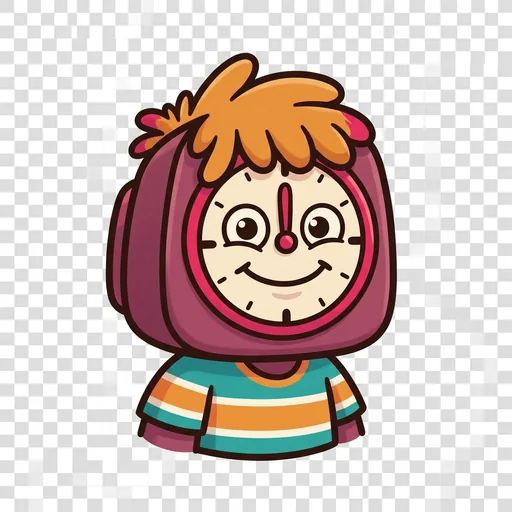
Throb
The steady pulse — the underlying clock every other rhythm hangs from
-
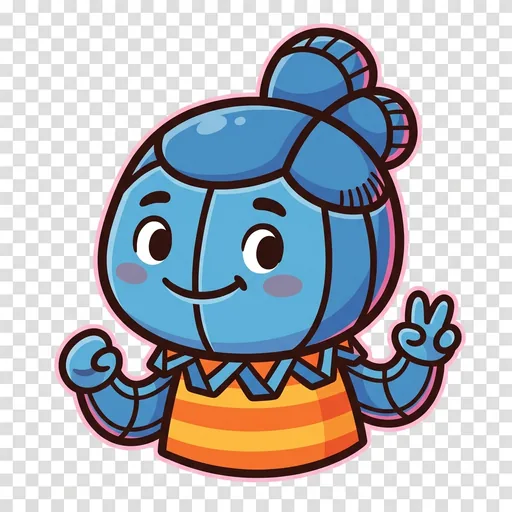
Snap
Subdivision — splitting a beat into equal smaller parts (eighths, sixteenths, triplets)
-

Hammer
Accent — emphasis on specific beats (the downbeat, the backbeat, polyrhythmic emphasis)
-
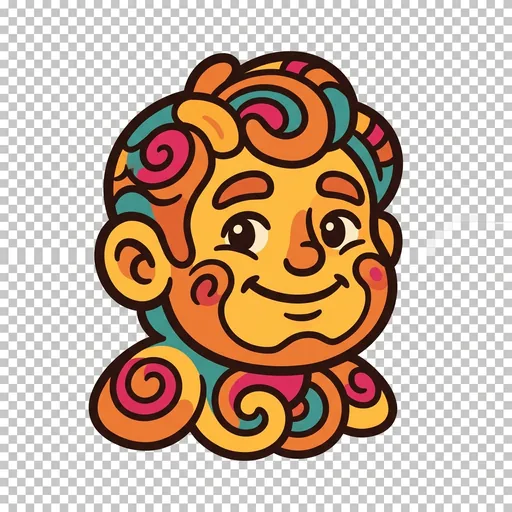
Spin
Groove — the looping pattern that emerges when pulse + subdivision + accent + syncopation cohere; the thing that makes a beat feel like a particular genre
-
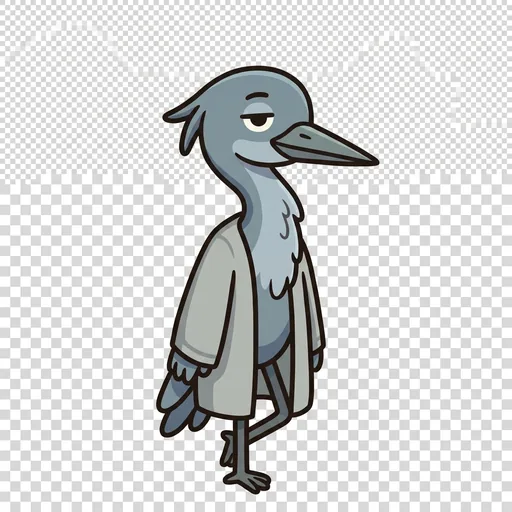
Lull
The rest — the beat you leave empty on purpose; silence counted as part of the music, so the next sound lands bigger
-

Crest
Dynamics — how loud or soft the music is, swelling louder and easing softer to give a song its waves
-
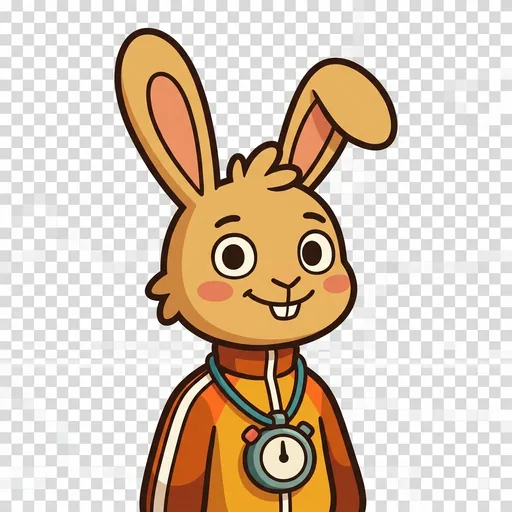
Rush
Tempo — how fast the pulse runs, and speeding up or slowing down to steer the whole mood of a song
-
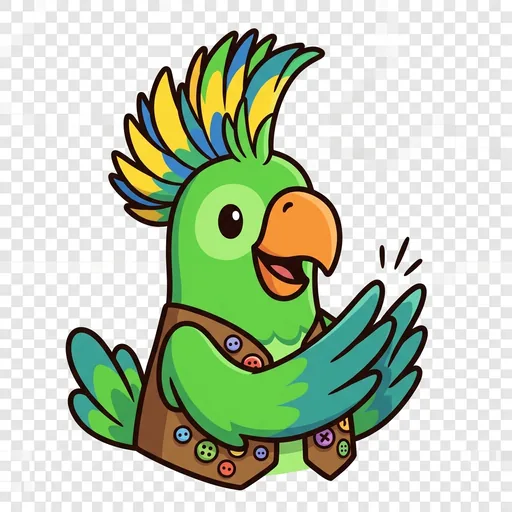
Volley
Call-and-response — one player calls a phrase and the others answer it back; music as a conversation traded around a circle
-
Flurry
The fill — the quick burst of drum notes that carries a song across the turn from one section into the next
-
The Jam
The whole rhythm section playing together — how pulse, subdivision, accent, and syncopation lock into one groove that lifts everybody up at once