Special Interest
MapForge
Build fantasy worlds from tectonic plates up — master geography, ecology, economics, and storytelling through world-building. Players create planets by forging plate tectonics (mountains/oceans), designing climate patterns (latitude/altitude/currents), painting biomes, founding civilizations (based on resources), establishing trade routes (geography and distance), and simulating conflicts (scarcit
Meet your mentor
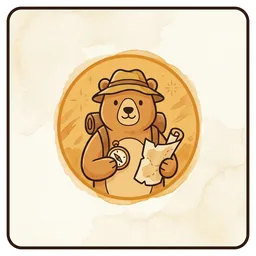
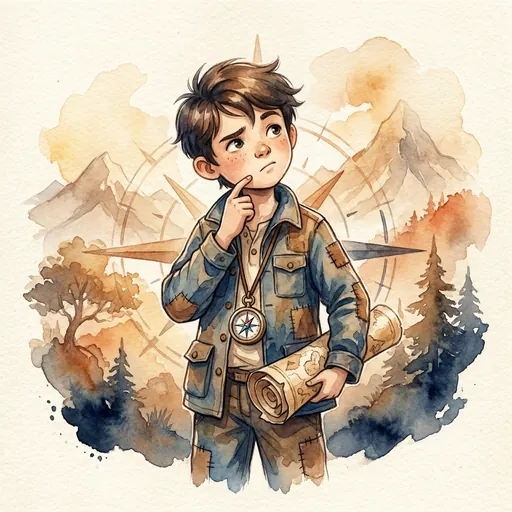
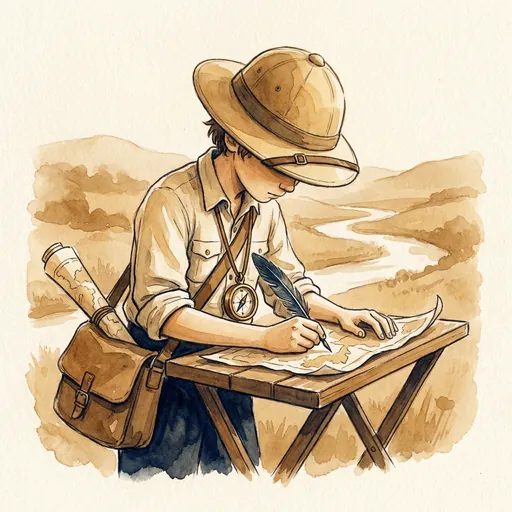
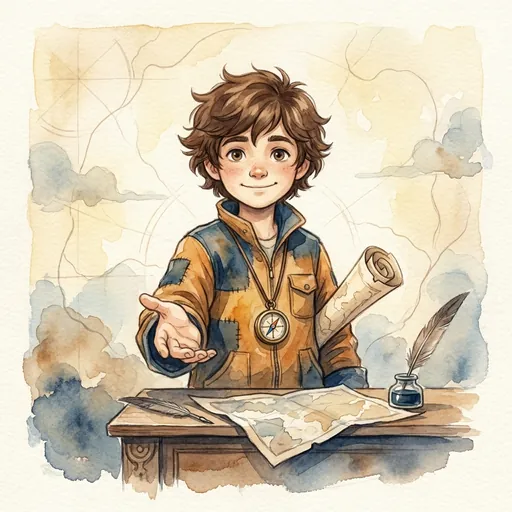
Every Spark & Anvil app has a friendly mentor character that demonstrates, praises, and patiently scaffolds learning. On-device AI personalizes the mentor's responses to your kid's progress — never connecting to a server, never collecting data.
Mentored by Atlas
#FFA726 Distributed-narrative cast
Meet the cast
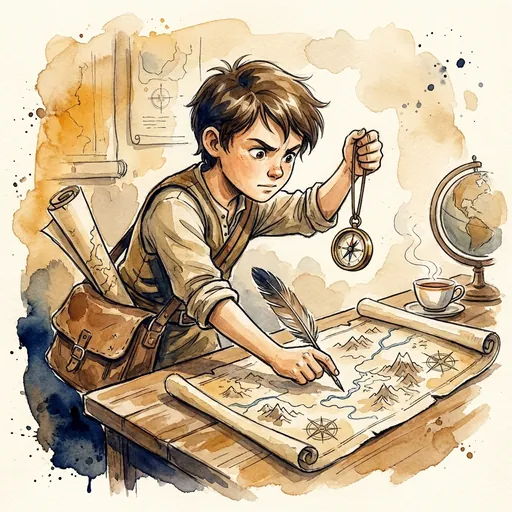
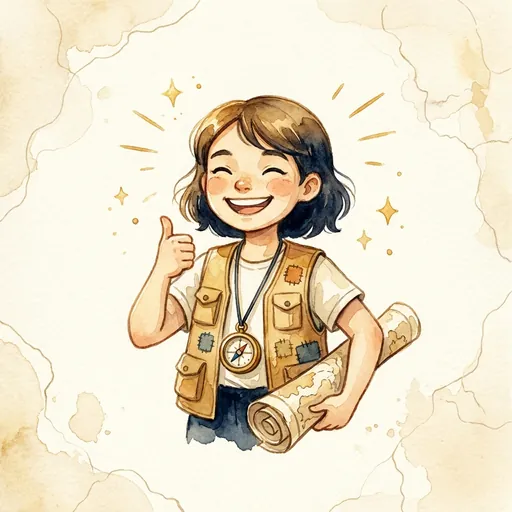
MapForge's distributed-narrative cast embodies the 5 primitives of cartographic literacy — orientation, scale, legend, coordinates, and non-Western mapping traditions — as 5 animal-cartographer characters Atlas introduces across the 16 question kits. Map-as-power gate is foregrounded; Bearing's 'north is one direction, not the direction' is load-bearing, and Wayfind structurally elevates Polynesian / Aboriginal / Indigenous mapping traditions as PEER cartographies, not curiosities.
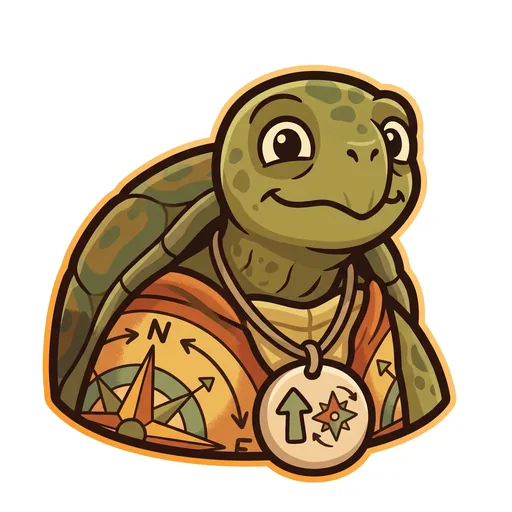
Bearing
Orientation — the tortoise-elder who treats north-up as a convention, not a truth ('north is one direction, not the direction'); teaches that orientation is a choice mapmakers make
Read chapter →
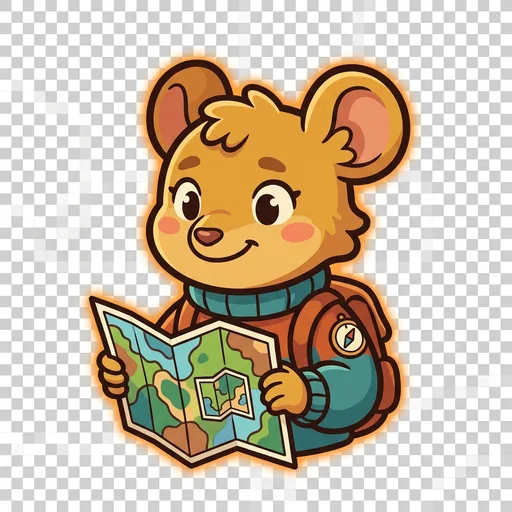
Inset
Scale — the field-mouse-tween with a folded map-within-a-map who teaches scale-choice as a political act ('bigger map, less detail; smaller map, more story — pick on purpose')
Read chapter →
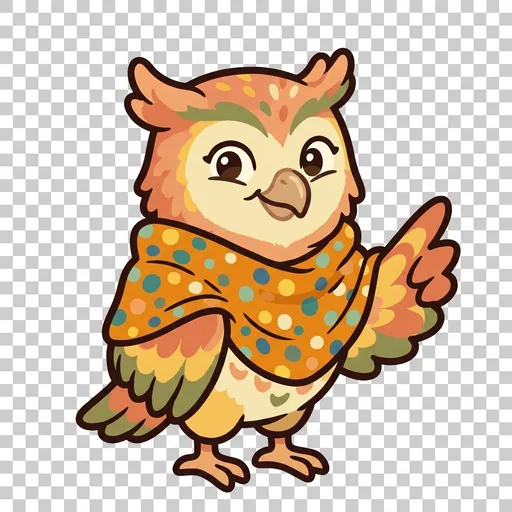
Key
Legend literacy — the owl-tween in a dot-shawl who treats the legend as the mapmaker's confession ('what's NOT on the map — that's also a map')
Read chapter →
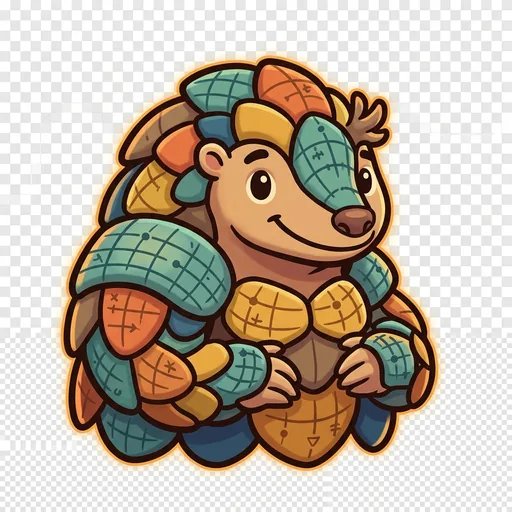
Plot
Coordinates — the pangolin-tween with graticule-scale armor who teaches that coordinate systems are human inventions, plural across cultures ('every place has many addresses; many cultures have many ways of saying here')
Read chapter →
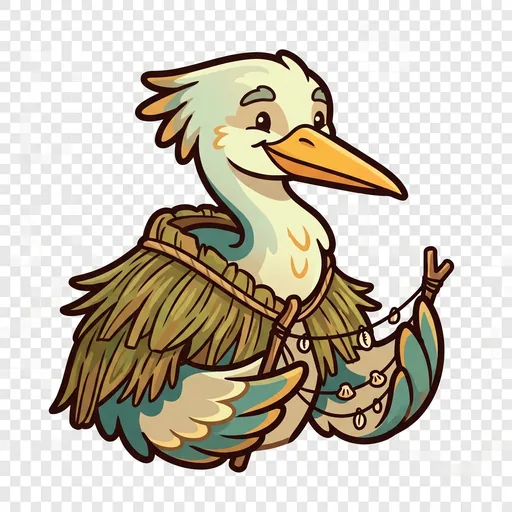
Wayfind
Non-Western mapping traditions — the heron-elder in a woven-grass cloak with stick-chart props who structurally elevates Polynesian wayfinding, Aboriginal songlines, and Indigenous TEK as peer cartographies ('some maps you sing, some you walk, some you only learn from elders')
Read chapter →
Browse all 5 chapters → · What's distributed-narrative methodology? →
What's inside
Learning goal
Build fantasy worlds from tectonic plates up — master geography, ecology, economics, and storytelling through world-building. Players create planets by forging plate tectonics (mountains/oceans), designing climate patterns (latitude/altitude/currents), painting biomes, founding civilizations (based on resources), establishing trade routes (geography and distance), and simulating conflicts (scarcit
Question kits
16 curriculum-aligned kits × 25 questions = 400 questions per app, mapped to recognized standards.
On-device AI mentor
FoundationModels-powered hints, feedback, and adaptive difficulty — all running locally.
Mentored by Atlas — on-device AI, no data leaves the device.
How MapForge handles your kid's data
- ✅ All progress, settings, and AI-generated content stays on the device
- ✅ No analytics, no tracking, no third-party SDKs
- ✅ No ads, no in-app purchases — you pay once
- ✅ COPPA compliant under the 2026 FTC amendments
- ✅ Parental controls + session limits + content filters built in
MapForge runs on ForgeKit — the open-source Swift Package Manager framework that powers every Spark & Anvil app. ForgeKit ensures consistent accessibility, COPPA compliance, and design language across the portfolio, so your kid's progress and preferences feel coherent across every app they touch.
Coming to the App Store
MapForge is in active development. Email us to hear when it ships — no marketing, no spam, just a one-shot launch announcement.
Email me at launch