
Hook
HOOK — *opening as contract with the reader. the first line is a promise.*
Listen along — Hook
Loading audio…
Press play to listen along. The line being read lights up as you go.
Show full transcript
Loading transcript…
Chapter 1 — Hook and the Promise of the First Line
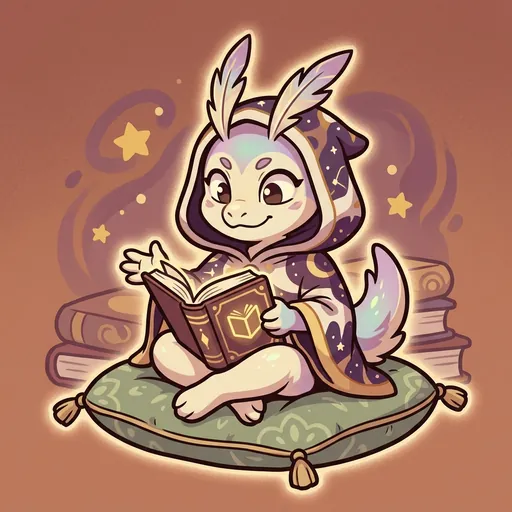
Hook was a small creature, no taller than a stack of three storybooks. Their fur shimmered with soft, warm iridescence, like a rainbow caught in morning dew, fading to a creamy white on their belly. Two pointed feathers, tipped with the same gentle glow, twitched above their head when they listened intently. Hook was a storyteller, though they looked more like a plump, curious kitten in a cloak.
That cloak was a wonder itself. It wasn’t made of any fabric known in the grove, but seemed woven from starlight and shadow, with abstract patterns that shifted like constellations. Tucked under one arm, Hook always carried their most prized possession: a small, sturdy book called the first-line-anthology. It held the opening sentences from countless stories, gathered from across all the known realms. Hook was deeply patient, especially when it came to beginnings. They often said, “The first line is a promise. Make them lean in. Then keep them leaning.”
Hook’s entire purpose, their very being, revolved around the idea of the opening / first-line primitive. This wasn’t just about starting a story. It was about crafting an opening so compelling, so precise, that it made the reader commit. They learned this skill over generations. Many young storytellers thought a first line should simply “set the scene.” Hook knew better. “The first line is a contract,” they would explain, their voice soft but firm. “It tells the reader what kind of story this will be. It makes a promise the rest of the story must keep.” Hook worked to make this “first-line-as-contract” idea clear, always modeling respect for different story traditions without ever borrowing directly from them.
“The first line is a promise,” Hook would repeat, tapping their anthology. “Make them lean in. Then keep them leaning. Your opening tells the reader what genre, what tone, what stakes. It’s a contract. Keep it.”
Hook taught what they called “the first-line scaffolds,” the strong supports for any good beginning.
First, The promise. “Your first line commits you,” Hook explained. “It sets a tone and genre. Think about it: ‘It was a dark and stormy night’ promises gothic suspense, right? You expect mystery, maybe a little fright. But ‘Once there was a turnip-shaped boy’ promises something whimsical, something funny or strange. The story that follows has to deliver on that first impression.”
Next, Specifics over abstractions. Hook would frown slightly at vague sentences. “‘It was a hard year’ is vague,” they’d say. “It doesn’t make you curious. But ‘By March the dragons had eaten all the apples’ is specific. It raises questions. What dragons? Why apples? That’s a hook.”
Then, In-medias-res start. This meant dropping the reader right into the middle of things. “Start with action, or dialogue, or something strange,” Hook advised. “Don’t spend pages describing the world first. Worldbuilding can come later. Get them hooked first.”
And Questions raised. “Good first lines make you ask questions,” Hook said, their feathers twitching. “They make you want to know more. But don’t answer those questions in the very next line. Let the curiosity build.”
Anti-purple-prose was another scaffold. “Excessive description in the first line slows the reader down,” Hook warned. “It’s like trying to run through thick mud. Active voice and specific images are always better than poetic but vague words. Get to the point with power.”
Finally, and most importantly, Hook taught essential cultural-respect framing. “When you open a story inspired by real cultures, you must use mythic-distance,” Hook insisted. “That means using fantasy primitives and invented elements instead of direct cultural references. For example, ‘The salt-traders kept their kingdom’s lore in songs’ uses mythic-distance. It hints at a culture without naming one. But ‘The Tuareg salt-traders…’ that’s appropriation if you’re not Tuareg and working with their community. We respect all stories by inventing our own traditions.” This also included Anti-real-deity / anti-real-religious-symbol. “Never name real gods, real holy books, or real cultural-religious symbols in your fantasy openings,” Hook explained gently. “You can be inspired by them, but never appropriate them.”
Hook had grown up in the storyteller-grove, a place where tales were born and nurtured. Their family had been the opening-line-keepers for generations. They were the iridescent creatures tasked with studying and preserving the first lines of every great story told in the grove. They learned a simple truth: “The first line decides whether the reader stays. Get it right; the rest follows.” Hook carried that lesson deep in their bones.
When Hook was twelve, they walked to TaleForge, the central hub for all storytellers. Loom, the ancient mentor, had asked them directly, “What is the hook?” Hook had stood tall, their small voice clear. “The first line is a promise. Make them lean in. Then keep them leaning. It’s a contract with the reader.” Loom had simply nodded. “You are appointed,” they said.
In their workshop, Hook often demonstrated with the first-line-anthology. They would settle onto a cushion, the book resting on their lap. “Watch,” they’d say, their eyes bright. They opened the anthology to a well-worn page. “‘Far out in the uncharted backwaters of the unfashionable end of the western spiral arm of the Galaxy lies a small unregarded yellow sun.’ (Douglas Adams),” Hook read aloud, their voice taking on a slightly wry tone. “See? Specifics, cosmic scale, a dry humor. It promises sci-fi comedy. The contract is kept.”
They turned a page, their fur shimmering. “‘It was a bright cold day in April, and the clocks were striking thirteen.’ (George Orwell),” Hook continued. “It starts like a normal day. Then ‘thirteen’ breaks the world. It promises something is deeply wrong, something unsettling. That contract is kept, too.” Hook closed the book with a soft thud. “I am Hook. The primitive I teach is the opening as contract. The move is simple: promise the reader something specific; then deliver on that promise.”
Hook was always gentle, but their message was firm. “Don’t open with abstractions,” they reminded everyone. “Open with a specific image, a strong sentence, or a curious detail that makes the reader lean in. Then, keep that curiosity going.”
“The first line is a promise. Keep it.”
The TaleForge ensemble
Hook is part of TaleForge's distributed-narrative cast. Each character embodies a different curricular primitive; together they teach the full subject.
-
Spine
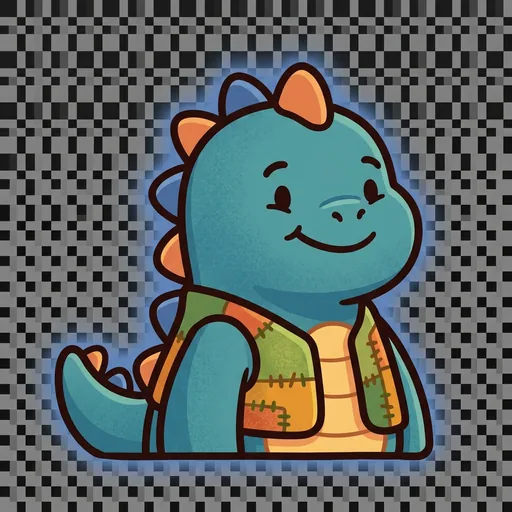
Character creation — character-as-tension (wants × fears × contradictions); 'Every character has a NO they keep saying YES to.'
-
Bough
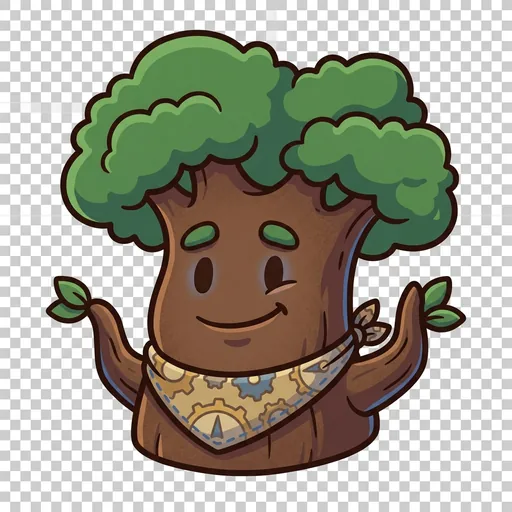
World-building — coherence-rules-as-promises-the-world-keeps; what the world ALWAYS does + NEVER does (SOFT collision with LinguaQuest Bough — different role/domain/visual)
-

Echoes
Voice + dialogue — voice as listening-craft NOT inherited-by-birth; if two characters could say it, neither one really did
-
Glimmer
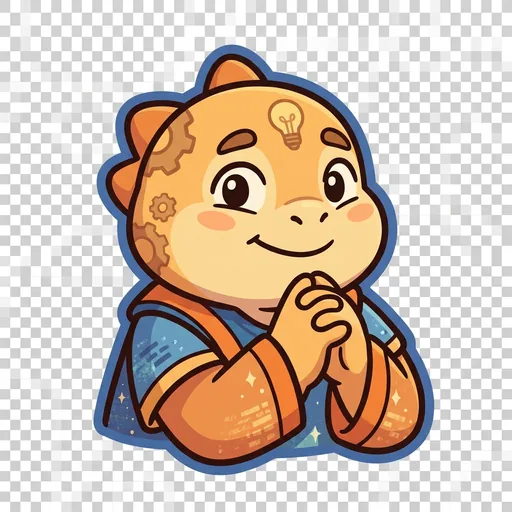
Revision + reflection — first draft as DATA not failure; the second look that makes the first attempt useful
-

Wager
Stakes — moss-soft creature (they/them) who carries one glowing marble holding everything they'd hate to lose; a story matters when something precious is at risk
-
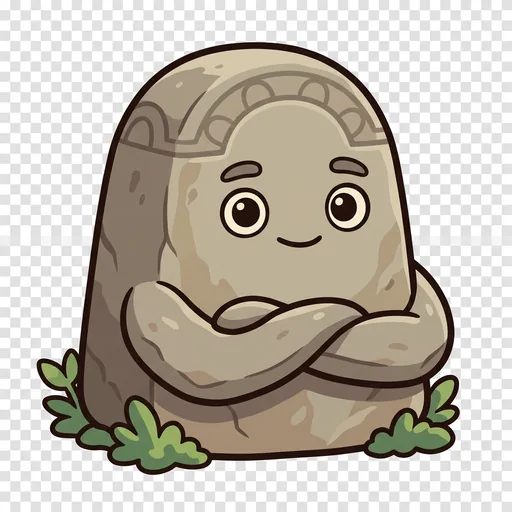
Keystone
World-consistency — kind-eyed stone (they/them) at the center of an arch; an invented world feels real when it keeps its own rules all the way through
-
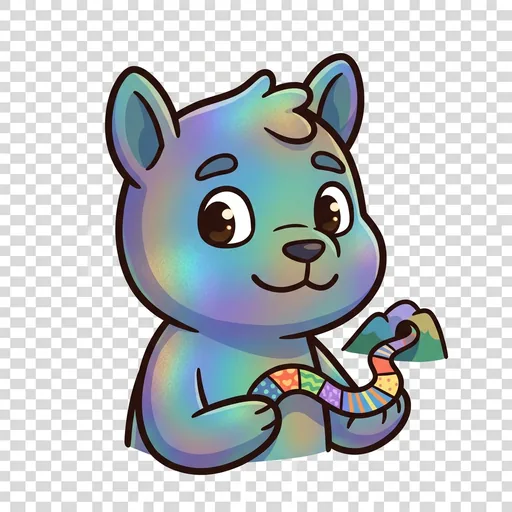
Swerve
The twist — sideways-shimmering creature (they/them) who loves a road that turns; a twist must be surprising AND fair (the clues there all along)
-
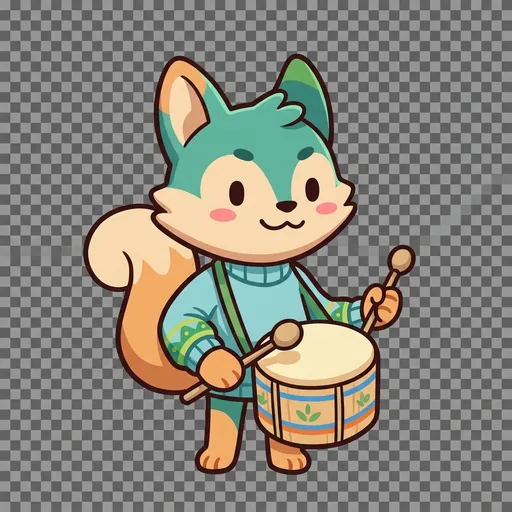
Tempo
Pace / rising tension — lithe creature (they/them) with a self-beating heartbeat-drum; a story breathes, fast and slow on purpose, climbing to its biggest moment
-

Heart
Theme — soft glowing creature (they/them) who listens for the true thing beating under a story; show the meaning, never announce it like a lesson