
Step
METER / CADENCE — the pattern of stressed and unstressed syllables. *DUM-da-DUM-da* (trochee). *da-DUM-da-DUM* (iamb). The rhythm beneath the words.
Press play to listen along. The line being read lights up as you go.
Show full transcript
Loading transcript…
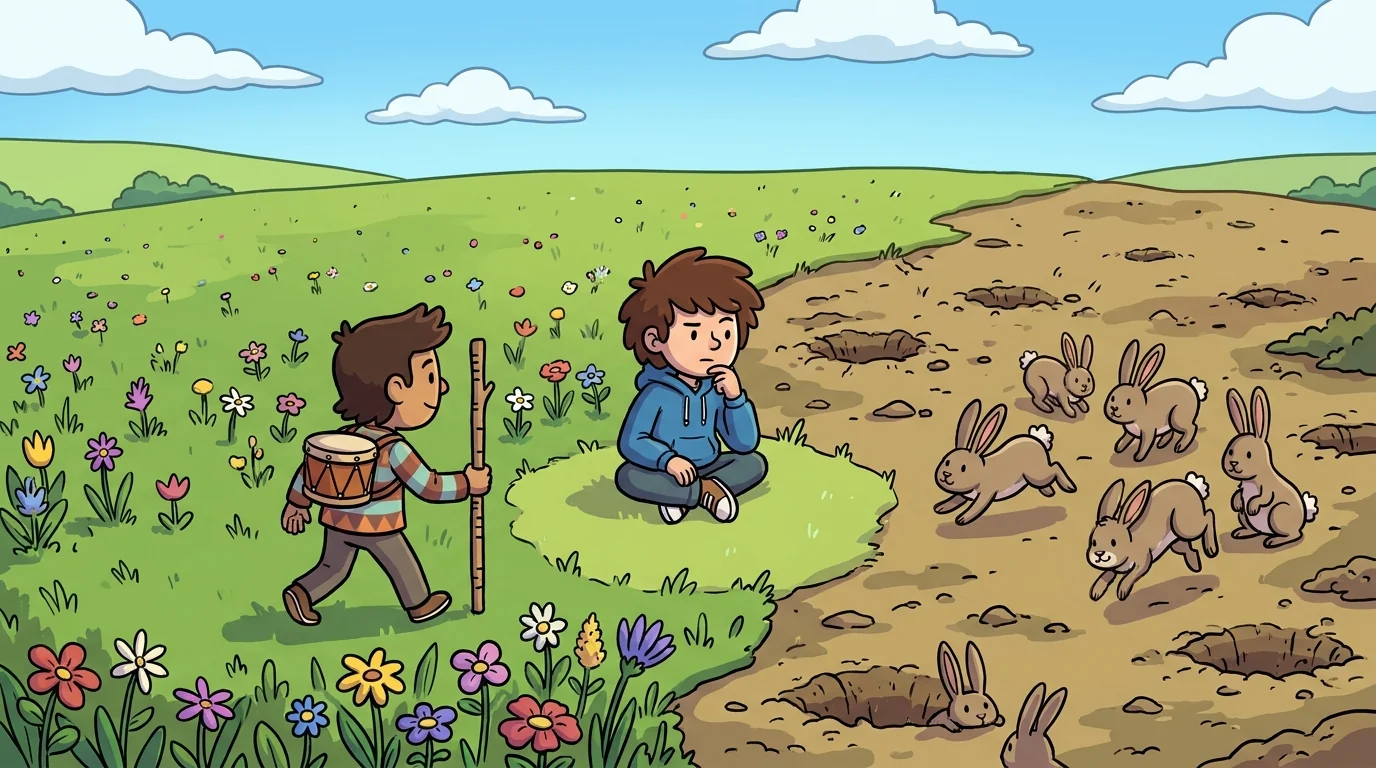
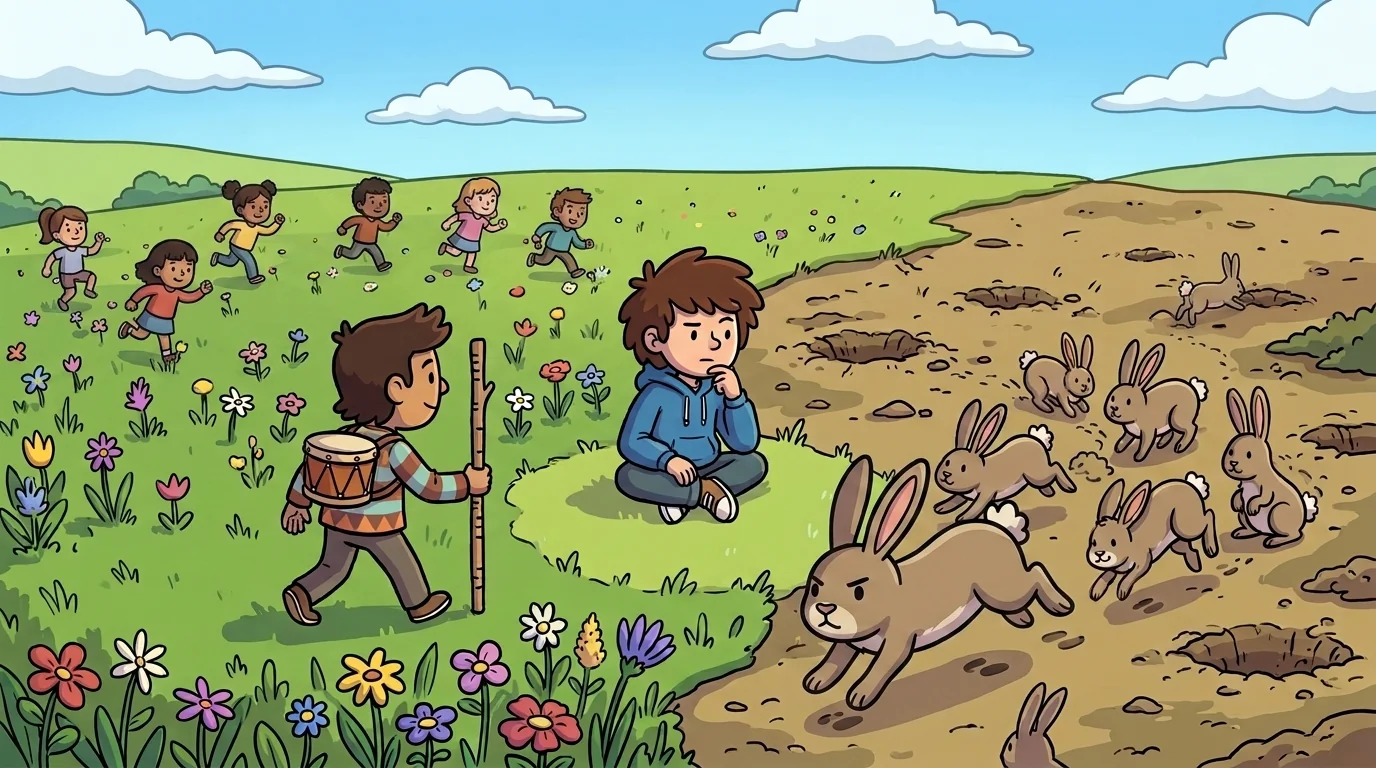
Pip encountered Step at the edge of the meadow, precisely where the vibrant wildflowers thinned, giving way to the intricate network of the rabbit-warren.
Pip was then eleven years old. He had known Chime for three years already, and felt quite comfortable crafting end-rhyme for his songs. Yet, a different problem had recently begun to frustrate him. His four-line stanzas rhymed correctly—the line-ends chimed with satisfying precision—but the lines themselves felt stubbornly uneven. Some lines contained seven syllables. Others stretched to nine. Still others ballooned to eleven. Their lengths jumbled and tripped, preventing the reader's mouth from settling into any consistent rhythm. Pip couldn't quite grasp why this happened.
He had strayed to the rabbit-warren edge, seeking a quiet spot to think. He settled onto a small, clear patch of grass, watching the rabbits as they hopped with casual grace.
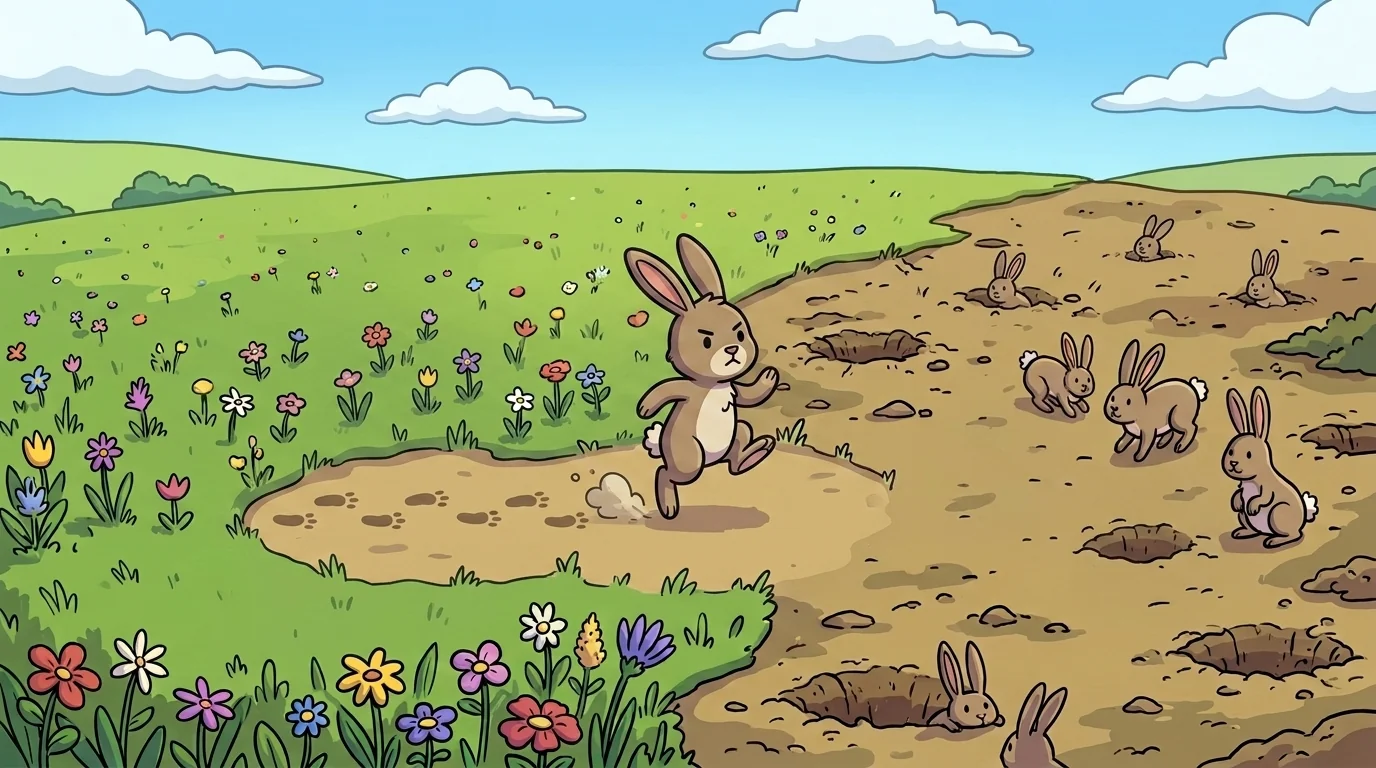
Step was one of those rabbits.
Step—a rabbit who seemed to be in his early teens, distinguished by a deliberate, measured hop—was practicing. He moved in straight lines across a small, bare patch of earth, counting his hops aloud with focused intensity. “One. Two. Three. Four. Five.” Then he would stop abruptly. He would turn with a quick twitch of his nose, and hop back. “One. Two. Three. Four. Five.” The number of hops remained the same every time. The distance covered by each hop also appeared identical. Step, it seemed, was meticulously measuring his rhythm.
Pip observed this unusual dedication for several minutes. Finally, curiosity overcame his desire for quiet contemplation. He spoke, his voice soft enough not to startle the focused creature. "Why are you counting?"
Step paused, swiveling his head to look at Pip with bright, inquisitive eyes. He responded, his voice a soft, reedy sound, "My mother says I have a terrible cadence. My hops are uneven. So I am practicing. Five hops to the bush. Five hops back. Same number. Same distance. Eventually, my rhythm will be even."
Pip felt a sudden jolt of recognition. "I have the same problem with my songs," he admitted.
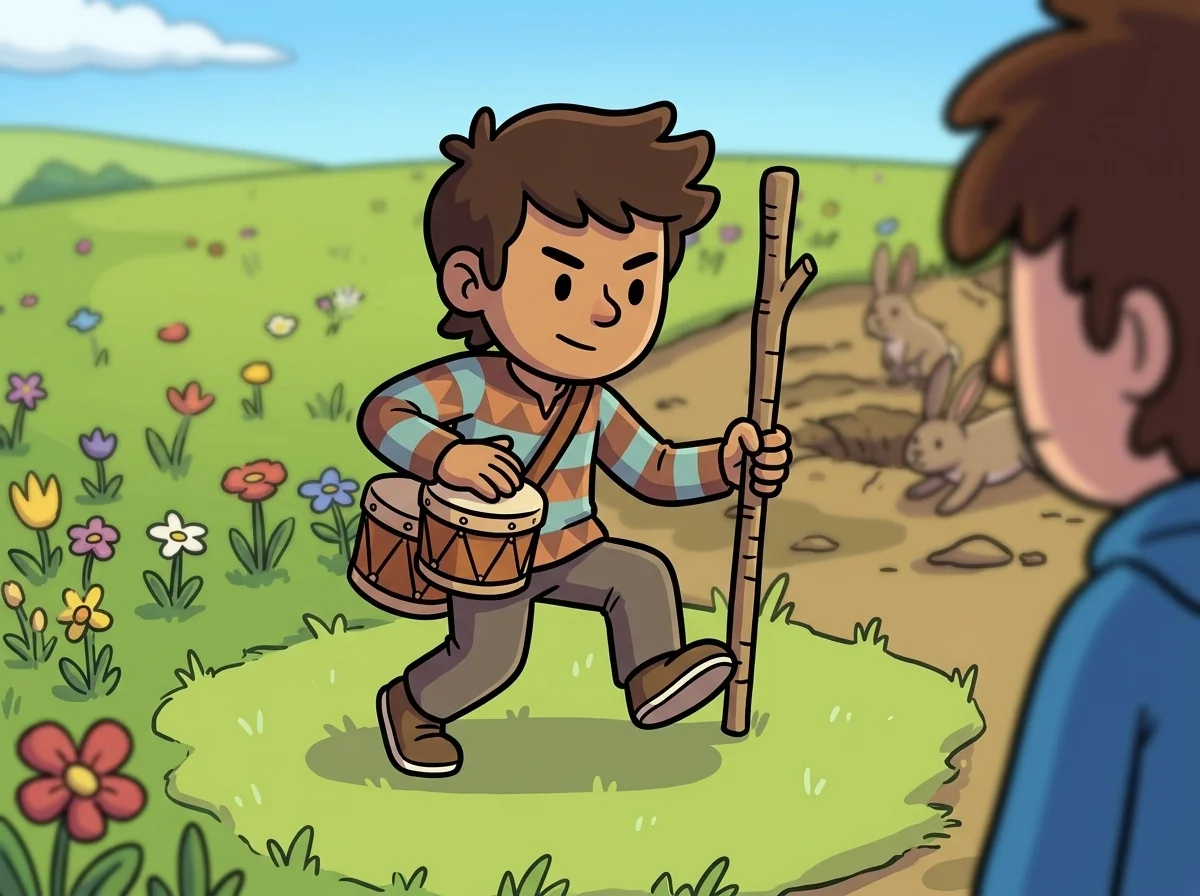
Step was deeply interested. He hopped closer to Pip, his ears twitching with attention. "How can songs have uneven hops? Songs are words."
Pip explained his dilemma. The lines of his songs varied widely in their number of syllables. This inconsistency made it impossible for the reader's mouth to establish a comfortable rhythm. The lines jumbled and stumbled, even when their rhymes were perfect.
Step remained quiet for a moment, processing this information. Then, a spark of understanding seemed to ignite in his eyes. "Syllables are hops," he declared. "Each syllable is a small step the mouth takes. Some syllables are stressed—the mouth steps harder on them, giving them more emphasis. Some are unstressed—the mouth steps lightly, almost gliding over them. A song with an even cadence has the same pattern of stressed-and-unstressed syllables in each line. Imagine: DUM-da-DUM-da. Or perhaps da-DUM-da-DUM. This consistent pattern is called the meter. The meter is the rhythm underneath the words, the steady beat that carries them along."
Step then demonstrated his point. He hopped four times, with the first and third hops noticeably heavier and more emphatic than the second and fourth. “HOP-hop-HOP-hop,” he vocalized, his paws thudding lightly on the grass. He looked at Pip. "That is the meter you want in your line. Now, try to write a line that fits it."
Pip considered this, his brow furrowed in concentration. He tried a few combinations in his head before speaking. "BIRDS-are-FLY-ing." (He counted the four syllables, feeling the stress fall naturally on birds and fly.)
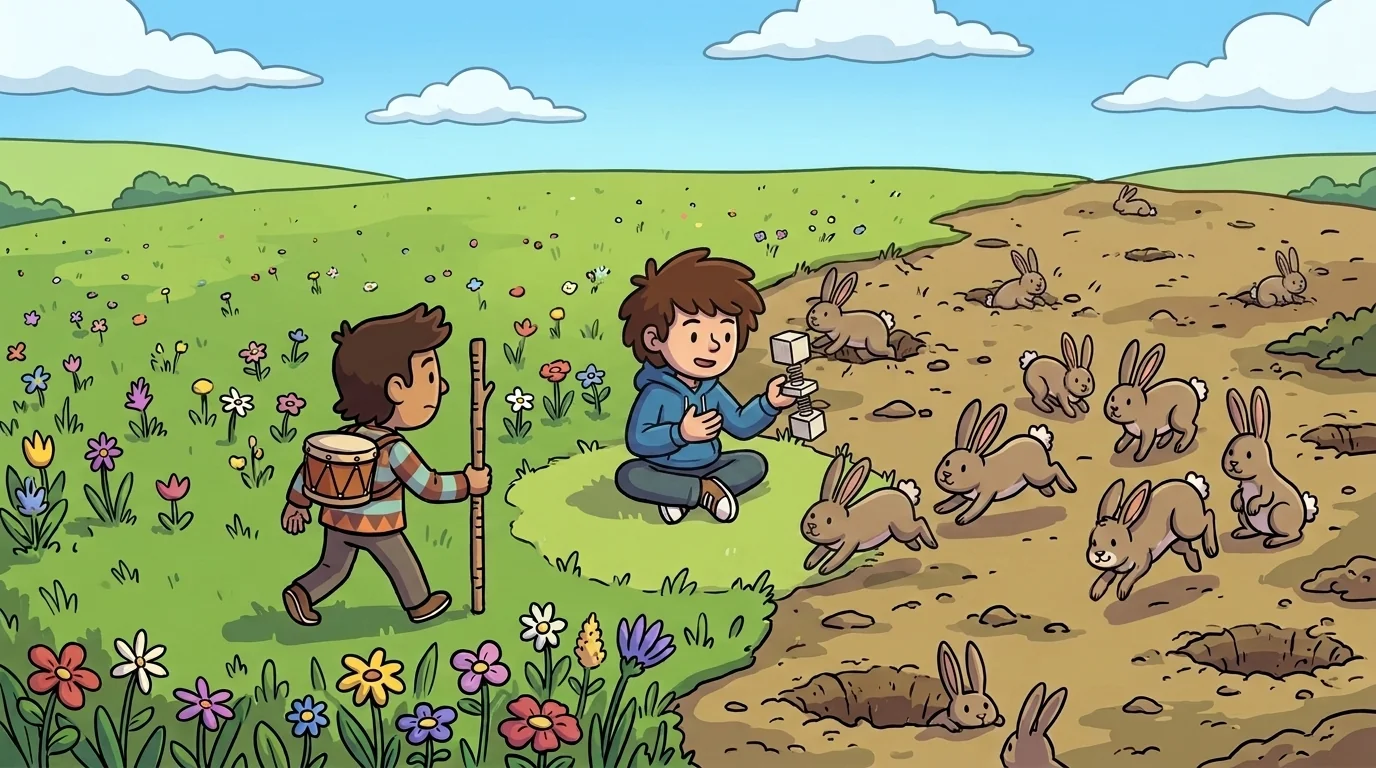
Step nodded approvingly. "Yes. That fits the pattern. Now, another line with the same meter."
Pip, encouraged, offered another line. "LEAVES-are-TURN-ing."
Step's ears swiveled forward, a clear sign of his satisfaction. "Now string them together," he instructed. " BIRDS-are-FLY-ing, LEAVES-are-TURN-ing. The hops match. The cadence is even. The reader's mouth can settle into the rhythm, moving smoothly from one line to the next."
Pip felt a profound shift in his understanding—for the first time in his young songwriting life, he grasped that the rhythm could be planned. Before, he had assumed rhythm was something that happened spontaneously if the words were simply "right." Step had illuminated a crucial truth: rhythm was a structural choice. You could pick a meter, a specific rhythmic pattern, and then fit words to it, like building with carefully chosen blocks.
By the time Pip reached thirteen, he could write whole stanzas with a deliberately chosen meter. He had learned the formal names—iamb (da-DUM), trochee (DUM-da), anapest (da-da-DUM), dactyl (DUM-da-da)—and the names for line-lengths (trimeter, three feet; tetrameter, four feet; pentameter, five feet). He could construct a line of iambic tetrameter on demand, weaving words into the familiar da-DUM da-DUM da-DUM da-DUM pattern. He even learned to vary the meter subtly, creating specific effects or emphasizing certain words.
Step had taught him all of this with the same unwavering patience he applied to his own hop-practice. “One. Two. Three. Four. Five. Same number. Same distance.” Eventually, the rhythm became even, ingrained.
In Pip's introductory lesson on meter, he gestures toward Step—who is, as always, practicing his hop-pattern on the meadow edge, a small, determined figure—and says: "This is Step. He taught me that syllables are hops. Each syllable is a small step the mouth takes. The meter is the pattern of stressed-and-unstressed steps. Once you can hear the pattern, you can fit words to it, just like fitting pieces into a puzzle."
Step nods sagely, his whiskers twitching. He hops four times in a perfectly even rhythm, a soft, steady beat. He says—in his measured, rabbit-voice, which somehow carries a quiet authority—"Count the stresses. Hop the rhythm. The meter holds the song together, a strong frame for your words."
The students always—always—find Step charming. They are invariably fascinated by his precise movements and his earnest explanations. They want to hop with him, to mimic his rhythmic steps. Pip, understanding the appeal, lets them. (The students do not, generally, possess better hop-rhythm than Step. Step is, after all, a rabbit who has been practicing for years, perfecting his craft. But the students enjoy the attempt, the physical connection to the abstract idea of meter.)
When students inquire whether meter is difficult to master, Pip often smiles, recalling his own early struggles. He then quotes Step directly: "It is not hard. It is hopping. Each syllable is a hop. Stressed hops are heavier; unstressed hops are lighter. The pattern of those hops is the meter. Once you can hear the pattern, you can fit any words to it, making your songs sing with a natural, flowing rhythm."
The LyricForge ensemble
Step is part of LyricForge's distributed-narrative cast. Each character embodies a different curricular primitive; together they teach the full subject.
-
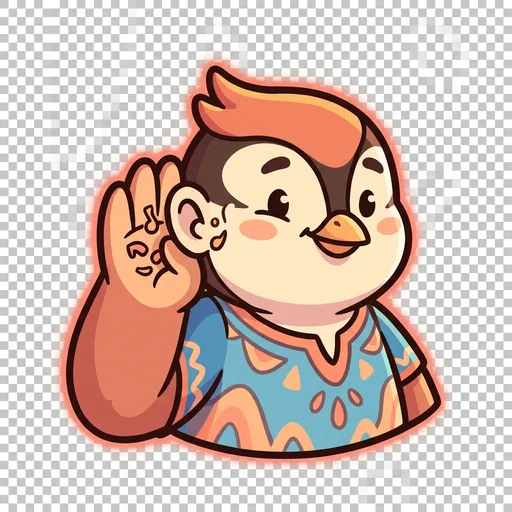
Chime
Rhyme / vowel-echo — chickadee-tween whose listening-cupped wing catches and returns rhyming partners
-
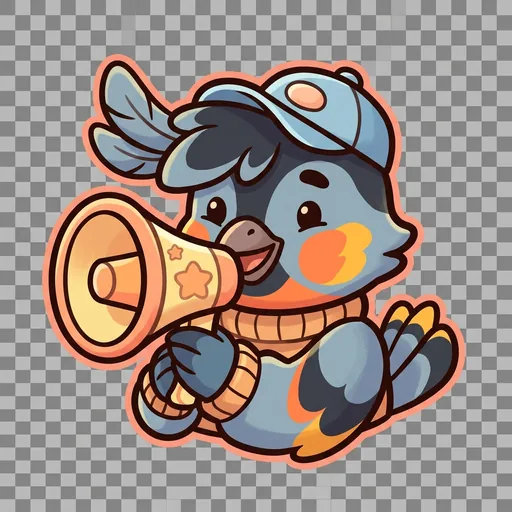
Holler
Hook / chorus anchor — bullfinch-tween with megaphone who picks ONE line and makes it sing-back-loud
-
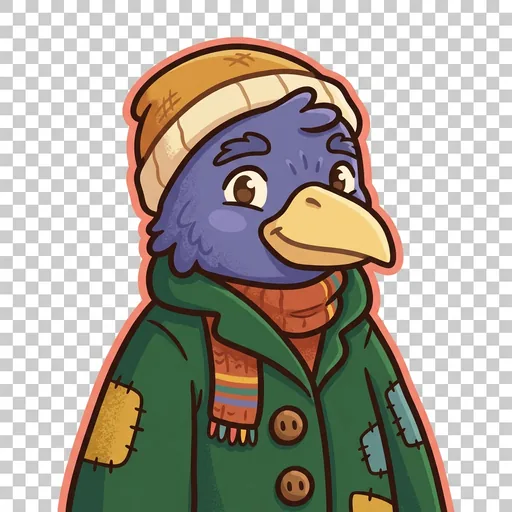
Turn
Bridge / off-the-path — crow-tween in a long traveling coat who walks the lyric into a new feeling and earns the return
-

Spark
Image / sensory anchor — firefly-tween whose abdomen brightens ONLY on specific concrete word-choices (dim on abstractions)
-
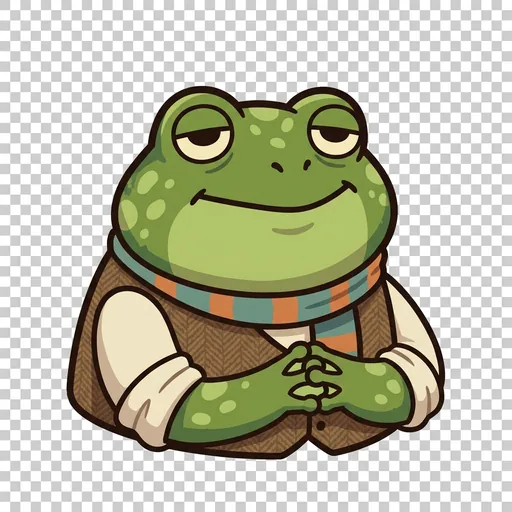
Groove
Rhythmic pocket — mellow toad who rides the beat just behind it; the same words can march or dance depending on where they sit against the groove
-

Zing
Wordplay — electric-blue dragonfly whose wings spark on a pun or double-meaning; clever-AND-true sparks, clever-for-its-own-sake falls flat
-
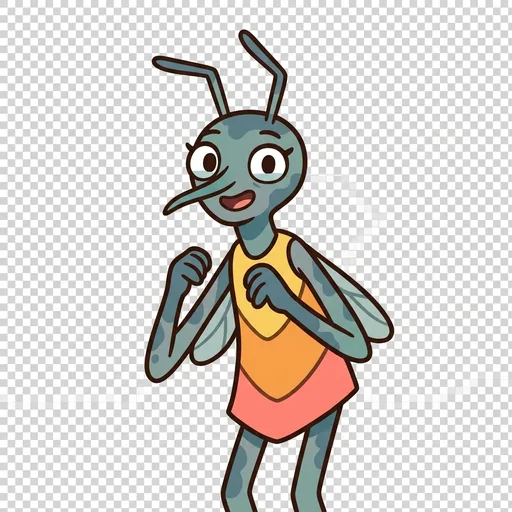
Lift
Pre-chorus build — long-legged crane-fly who rises onto her toes; the chorus only soars because she made you climb to it (the build is a promise the chorus keeps)
-

Belt
Singability — big-lunged frog with a wide-open throat; open vowels ring on long notes, tight consonant clusters strangle them (always sing it aloud)
-
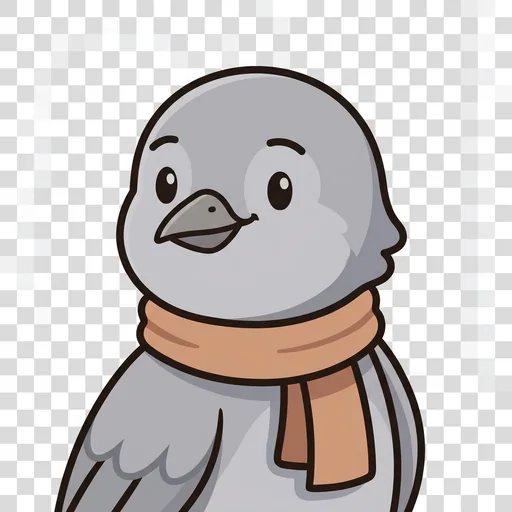
Croon
Sincerity — dove-grey nightingale who sings small true songs; all the other craft serves the one honest feeling underneath (one true feeling beats a hundred fake)