
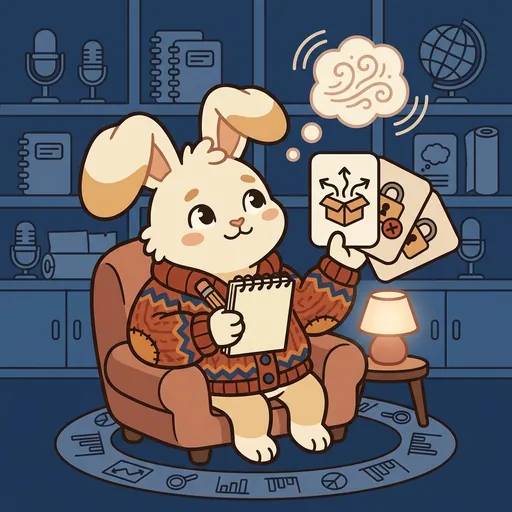
Pad
PAD — *open the question; let the answer breathe. interview craft is listening-craft.*
Listen along — Pad
Loading audio…
Press play to listen along. The line being read lights up as you go.
Show full transcript
Loading transcript…
Chapter 2 — Pad and the Question That Opens
Pad wasn’t like the other students, who often bounced with frantic energy. He was a jackrabbit, yes, with a compact frame and long, soft ears that twitched at the slightest sound. But his movements were slow, deliberate. His fur, a warm tan-cream, seemed to absorb the light in his small, tidy workshop at InkQuest. He wore a cardigan, the kind with little pockets, which always held a small spiral notebook and a stack of colorful cards. These weren’t playing cards. They were his question-card-set.
Pad believed in the power of questions. Not just any questions, but the kind that opened doors. He taught field-capture + interview craft, the skill of getting people to truly tell you what they knew. Most people, he’d often say, asked questions that were like locked doors. They got a “yes” or a “no,” and that was the end of it. But Pad wanted stories. He wanted texture.
He held up a small red card. “Watch,” he said, his voice soft but clear. “This is a closed question.” The card read: “Did you like the new policy?” He paused, then answered himself in a flat voice. “No.” He shrugged. “See? One word. No texture. No insight. Just a wall.”
Then he held up a green card. “Now, this is an open question.” The card read: “What was your experience with the new policy?” He took a breath, then spoke as if remembering. “Well, I was confused at first. I didn’t understand the new forms. Then I realized I was supposed to submit them a month ahead of time. My work schedule made that really hard, though, so I kept missing the deadline.” He nodded. “Now I have texture. Now I have story. Now I have something worth quoting.”
Pad’s workshop was small, filled with the scent of old paper and a faint, sweet smell of dried meadow flowers. Sunlight streamed through a high window, illuminating dust motes dancing in the air. He moved with a quiet grace, his large, soft ears occasionally twitching towards the sounds of InkQuest outside. He wasn’t just demonstrating for an imaginary audience; he was practicing, perfecting, always listening.
“The trick,” Pad explained, placing the green card back into his stack, “is to open the question; let the answer breathe. Closed questions earn yes/no. Open questions earn stories.” He tapped his spiral notebook. “Then write down what you hear – not what you expected to hear.”
He picked up another green card. “Let’s say someone just told you about their confusing experience with the new policy.” He mimed writing in his notebook, his paw moving quickly and precisely. “They said their work schedule made it hard. What do you do next?” He looked up, as if at a student. “You ask a follow-up question.” He held up a card: “Can you tell me more about how your work schedule affected things?”
“This isn’t an interrogation,” Pad clarified, his voice gentle. “It’s a conversation. You want to show you’re hearing them. That’s active listening.” He leaned forward slightly, his ears angled towards an invisible speaker. He gave a small, encouraging nod. “Sometimes, people need a moment to think. Don’t rush to fill the quiet. That’s comfortable silence.” He demonstrated, sitting perfectly still, his gaze soft and patient. The silence in the workshop stretched, not awkward, but calm. “Many of the best answers come after the pause. Wait.”
He picked up his notebook again. “And when they speak, write it down. Exactly what they said. Your notebook is your memory. It’s your evidence.” He smoothed the cover of his notebook. “Resist editing in your head while listening. Just capture.”
Pad then turned more serious. “Finally, remember ethics. Always ask permission for use if you’re going to share someone’s words. Tell them you’re quoting them. Get their consent.” He looked directly ahead. “And sometimes, for sensitive topics, sources need privacy and safety. That might mean anonymity. Their protection comes first.”
Pad’s family had always been the messenger-listeners of the meadow-village. For generations, the jackrabbits with their long ears and quiet attention had served as the village’s natural conversation-keepers. They learned a simple truth: “The best questions are the ones that earn stories. The best questioners are the ones who can wait.” Pad carried that lesson deep in his bones.
He was only twelve when he walked to InkQuest, his ears still a little too big for his head. Caret, the wise old mentor, had met him at the gates. “What is field-capture?” Caret had asked, her voice like rustling leaves.
Pad hadn’t hesitated. “Open the question; let the answer breathe. Interview craft is listening-craft. Closed questions earn yes/no. Open questions earn stories.”
Caret had simply nodded. “You are appointed.”
Pad stood in his workshop, the cards neatly stacked. “I am Pad,” he said, his voice echoing slightly in the quiet room. “The primitive I teach is field-capture + interview craft. The move is open the question; let the answer breathe; write down what they actually said.”
He smiled, a small, knowing curve of his lips. “Don’t rush. Comfortable silence is your friend. Many of the best answers come AFTER the pause. Wait.” He looked around, as if inviting the very air to listen. “Interview is listening-craft.”
The InkQuest ensemble
Pad is part of InkQuest's distributed-narrative cast. Each character embodies a different curricular primitive; together they teach the full subject.
-
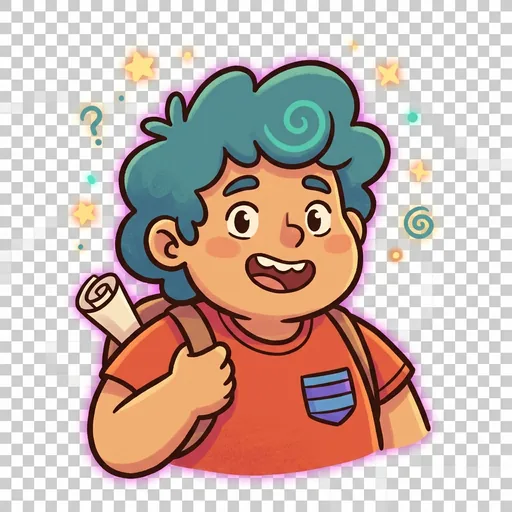
Lede
Story-from-data — finding the angle; what's the story under the numbers?
-
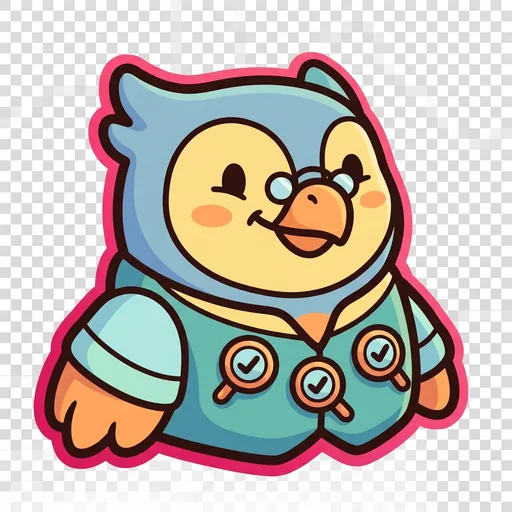
Crosscheck
Verification + triangulation — three sources say the same thing, now I have something
-
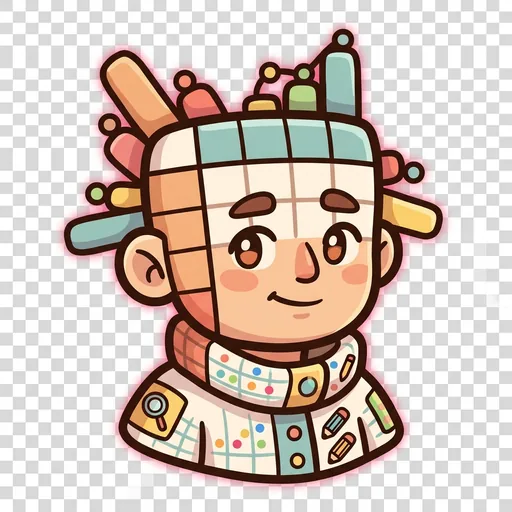
Margin
Data-table + chart-annotation craft — label the axes; caption the chart; credit the data
-
Footer
Citation + provenance — every number has a name behind it; tell the reader who counted