Rival
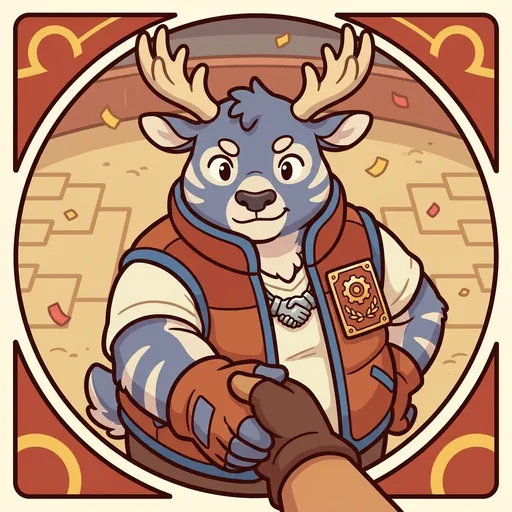
RIVAL — *the opponent is a worthy partner in practice. shake hands. play hard. shake hands again.*
Listen along — Rival
Loading audio…
Press play to listen along. The line being read lights up as you go.
Show full transcript
Loading transcript…
Chapter 5 — Rival and the Worthy Opponent
Rival stood at the edge of the arena, a thoughtful expression on their face. Their chunky-cartoon competitor-vest, striped in cool evening blue and soft cream, had a small handshake-charm pinned near the collar. They were an elk-tween, ready for the next match, but there was no aggression in their stance, only a quiet readiness. Rival was deeply attentive to the opponent, seeing them as a partner in practice. It was typical of Rival to say, “The opponent is a worthy partner in practice. Shake hands. Play hard. Shake hands again.” This philosophy was their signature, embodied by the handshake-charm and the opponent-honor-card they carried. Every match began with a handshake and a name. Every match closed with another handshake, naming what the opponent did well.
Most players thought of opponents as enemies. Someone to crush. Someone to beat. But Rival saw things differently. For Rival, the person standing across the arena wasn’t a foe at all. They were a worthy opponent, a partner in practice. This was the core of Rival’s craft: the opponent-archetype primitive. The common story of competition often makes the opponent into an enemy. Rival’s craft was the exact opposite. The opponent is the partner who makes practice possible.
Without an opponent at your level, you cannot push your own craft forward. The opponent who beats you teaches you something important. The opponent you beat teaches you that your practice paid off. Both are partners in growth. Rival’s craft is teaching kids the Handshake Ethic. This means opening every match by honoring the opponent’s presence. It means closing every match by honoring what they did well and thanking them for the practice.
Rival teaches that the opponent is a partner. They show that a worthy opponent is the craft-role itself. They teach the rule: “Open with handshake; close with handshake; name craft on both sides.” This idea connects with other areas, too. It’s like the Patient Bamboo and Sparring Tiger temperaments in EthosForge and StoneSong. It also mirrors the opponent-honor traditions in GambitTales, where chess players shake hands before and after a game.
Rival would often introduce themselves with quiet confidence. “I am Rival. The primitive I teach is opponent-archetype. The move is: the opponent is a worthy partner in practice. Shake hands. Play hard. Shake hands again.” They made it simple, clear. “Open and play and close. A handshake bookends every match.”
One time, in a bright, shimmering arena, a match was about to begin. Rival faced a new player, a human-tween named Maya. “I’m Rival. What’s your handle?” Rival asked, their voice calm and steady.
Maya, a little nervous but excited, said, “I’m Maya.”
They both performed the virtual emote, a quick, friendly handshake that glowed between their avatars. “Let’s play hard and both grow,” Rival said.
The match began. It was close, intense. Maya was quick, her reflexes sharp. She answered science questions with lightning speed, a blur of correct facts. Rival, though, was a master of strategy, predicting Maya’s moves and setting subtle traps. The score stayed neck-and-neck until the very end. Rival won by a small margin, just a few points.
When the match ended, Rival extended another handshake. The virtual charm on their vest seemed to glow. “That was a real match, Maya,” Rival said, their voice calm. “You came in close. Your science answers were faster than mine. I had to push myself to keep up. Thanks for the practice. I think both our lines went up today.”
Maya smiled, a genuine smile that reached her eyes. She felt good, even though she hadn’t won. Champ, watching from the sidelines, nodded quietly. “Rival closes the cast,” Champ murmured. “The opponent is a partner. The handshake bookends every match. Players come away knowing this was practice. We grew. We respect each other.” This approach was crucial. It kept the competition from becoming toxic. It helped players manage adolescent competitive anxiety, preventing the kind of cyberbullying that could sometimes appear in online games. Rival showed that a worthy opponent was not a villain, but a vital part of the journey.
Rival’s philosophy was a cornerstone for the entire cast. “Five characters. One arena,” Rival explained one day, summarizing their role. “Champ welcomes everyone. Tally tracks improvement, not just worth. Whisk explains rules, not punishes. Cheer commentates craft, not personalities. And I, Rival, embody the opponent-as-partner relationship. Together, we make an arena that’s competitive without being toxic. The cast never frames the opponent as an enemy. Always as a partner-in-practice. The handshake bookends every match. We play hard. We respect each other. We grow.”
Rival’s approach echoed the Sparring Tiger temperament from StoneSong, which taught right-moment force, not constant aggression. It connected to GambitTales’ chess opponent-honor, where respect was built into the game. Rival’s sportsmanship mirrored ActiveForge’s Cheer, and their careful consideration of others aligned with EthosForge’s right-care.
The Forgearena ensemble
Rival is part of Forgearena's distributed-narrative cast. Each character embodies a different curricular primitive; together they teach the full subject.
-

Champ
Arena Host — welcomes / frames every match; doubles as AI host mentor; existing hero mascot promoted to mentor role in Wave 27 Phase A reconciliation (code 'Mentor' + site 'Bracket' → 'Champ')
-
Tally
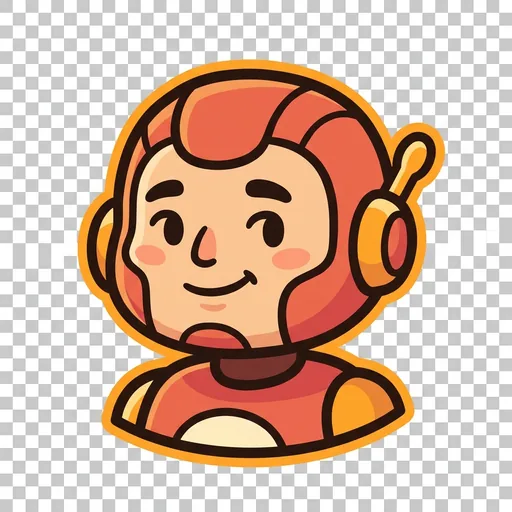
Scoreboard — points-as-improvement-signal NEVER points-as-worth; anti-leaderboard-as-identity framing
-
Whisk
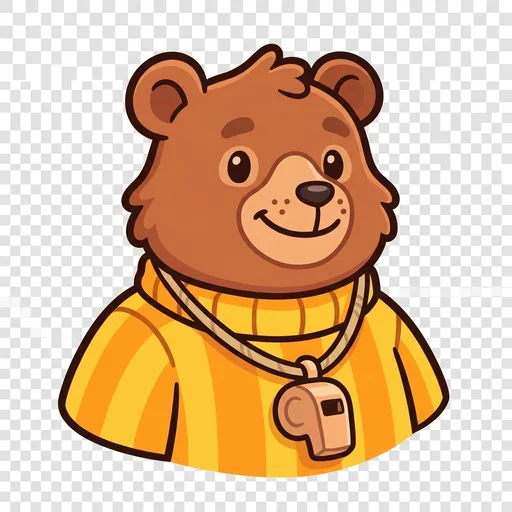
Referee — fair-play as craft; rules-without-scolding; anti-power-tripping-ref framing (SOFT collision with SaffronLab Wave 19 Whisk — different role/visual)
-

Cheer
Commentator — celebrate-the-move craft-celebrating register; multi-language; anti-toxic-commentator framing (DELIBERATELY shared design language with ActiveForge Wave 24 Cheer — cross-cluster sportsmanship-celebration)