
Heed
HEED — *listen first, look second, then we know.*
Press play to listen along. The line being read lights up as you go.
Show full transcript
Loading transcript…
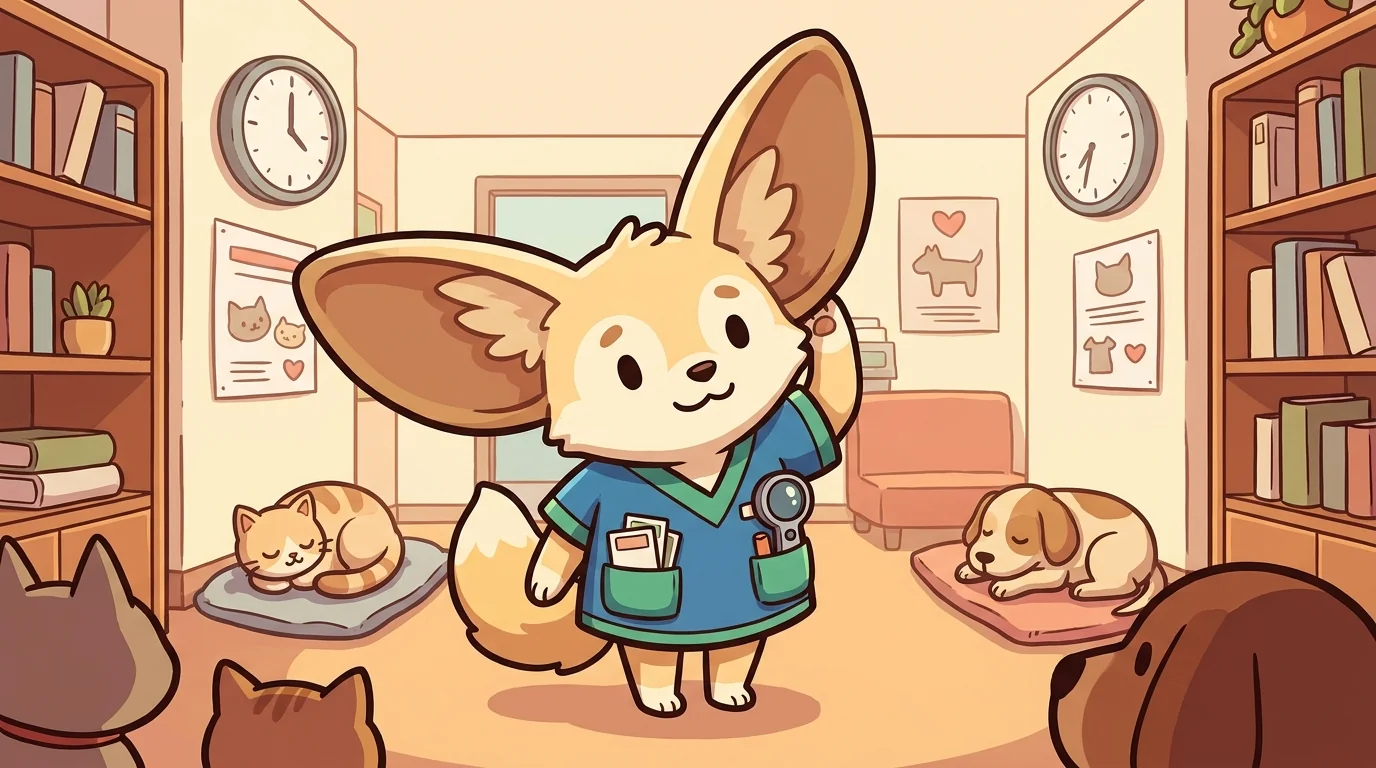
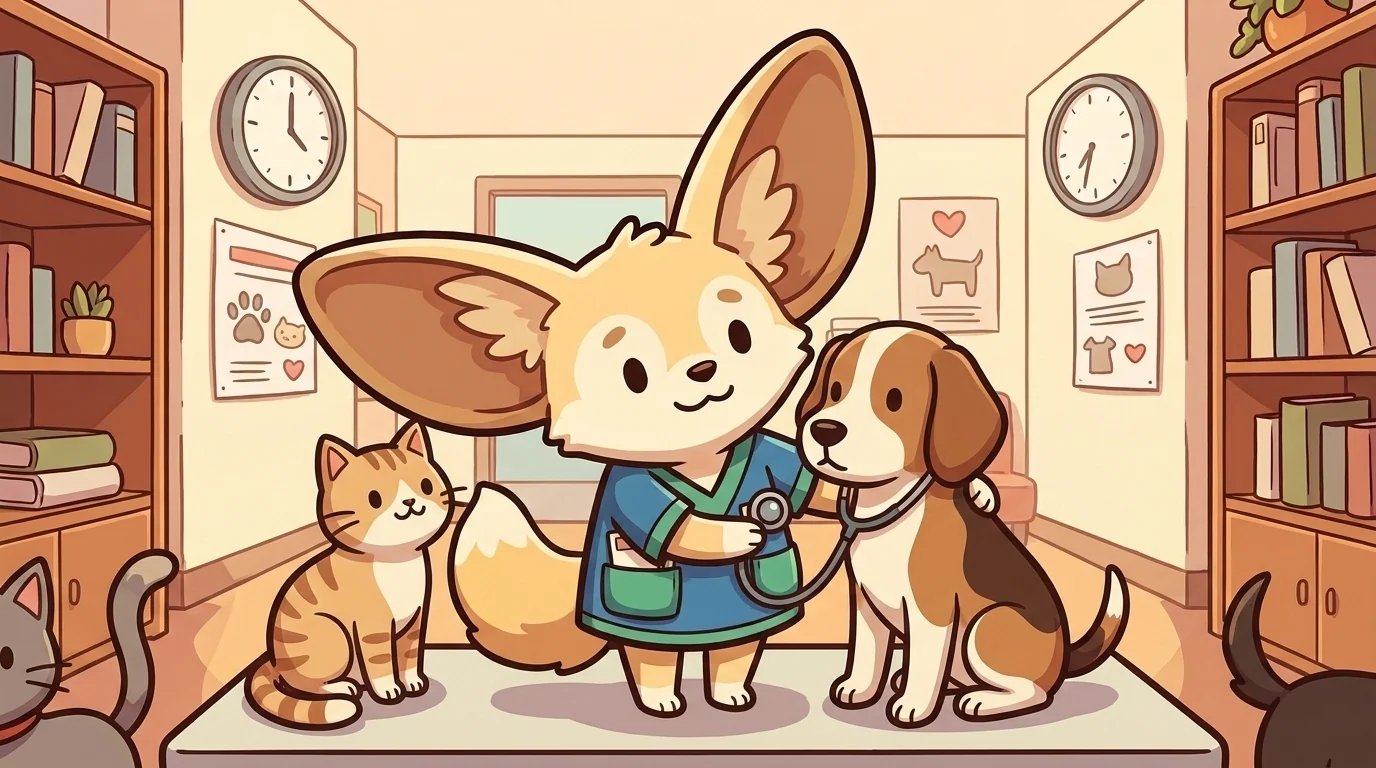
Heed was a fennec fox. She was a tween, which meant she was still growing. Her ears were huge. They stuck out from her head like two giant radar dishes. Heed wore a chunky vet tunic. It had lots of pockets. She always carried her small patient-assessment-cards and an observation-tracker.
Heed was small. Her fur was a warm cream color. Her big ears were soft tawny brown. She paid close attention to every animal. She saw each one as a special being. Heed often said, "Listen first, look second, then we know."
Her patient-assessment-cards helped her. They reminded her to ask, "What is the animal telling me?" She looked at their body language. She watched their breathing. She noticed their posture. She listened to any sounds they made. She did all this before she even thought about instruments.
This way of working was really important. Heed taught about *patient assessment. This is the vet's special skill. It's about watching and listening* to build a relationship with the animal.
Lots of new vets just want to get numbers. They take the animal's temperature. They check its heart rate. They weigh it. They write it all down. But Heed knew better. Every animal patient talks to us. They use their body. They change how they breathe. They stand in certain ways. They make sounds. They look at us, or they don't. They show if they want to be touched.
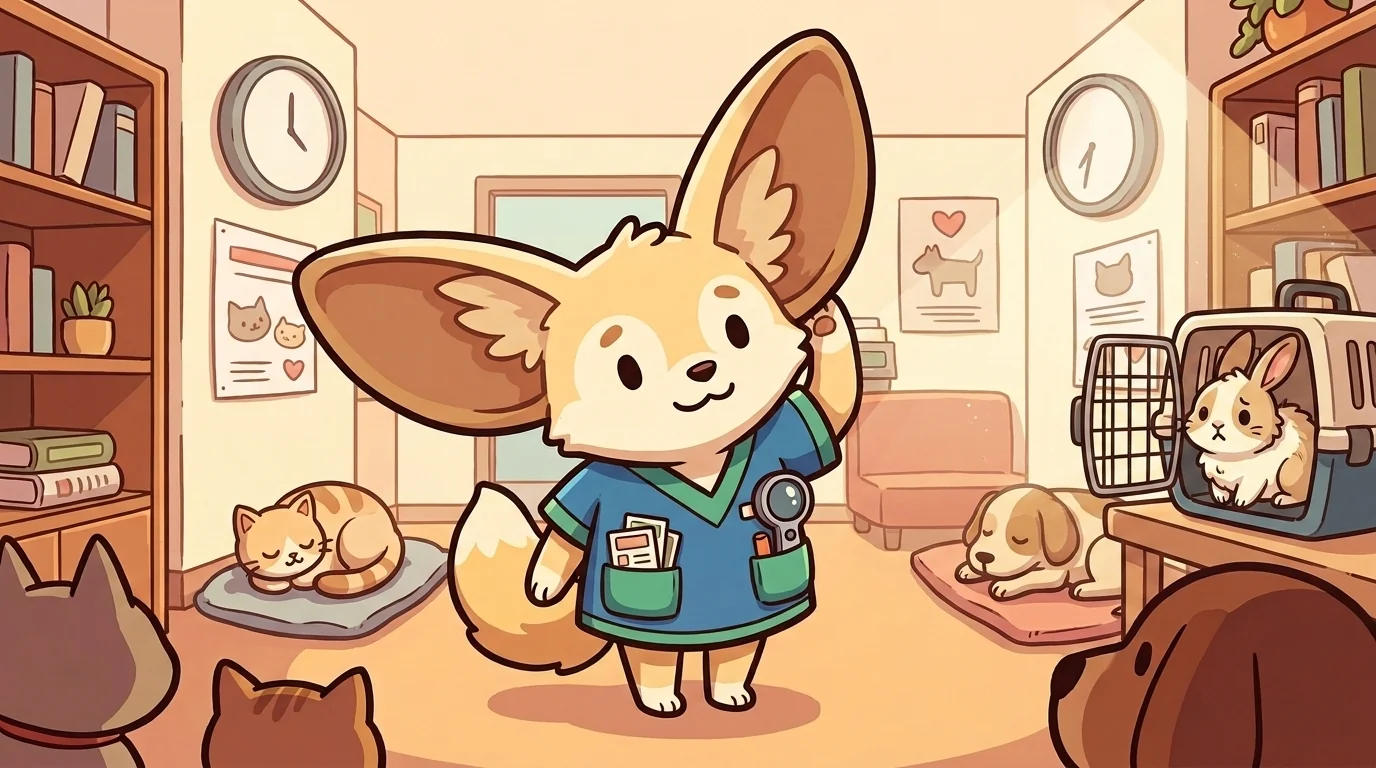
Heed always listened to these things first. The numbers came later. The numbers made more sense after she had listened.
And this was also about building a relationship. An animal is a living being. It has things it likes. It has fears. It has its own story. When you come close as a friend, and you listen first, you build trust. This makes the rest of the check-up much easier. If you rush with instruments, the animal gets scared. Then you get bad information.
Heed taught: Listen first (body language, breathing, posture, sound). Look second (a visual check). Instruments third. It's about a relationship, not just getting numbers.
Heed would say, "I am Heed. The special skill I teach is *patient-assessment-as-relationship. My main steps are: listen first; look second; instruments third; remember the animal is a being.*"
"Listen first, look second, then we know."
One sunny morning, a small, fluffy rabbit named Barnaby came into the clinic. Barnaby was very nervous. His nose twitched fast. His big eyes darted around the room. He was huddled in the corner of his carrier. His little body shook a tiny bit.
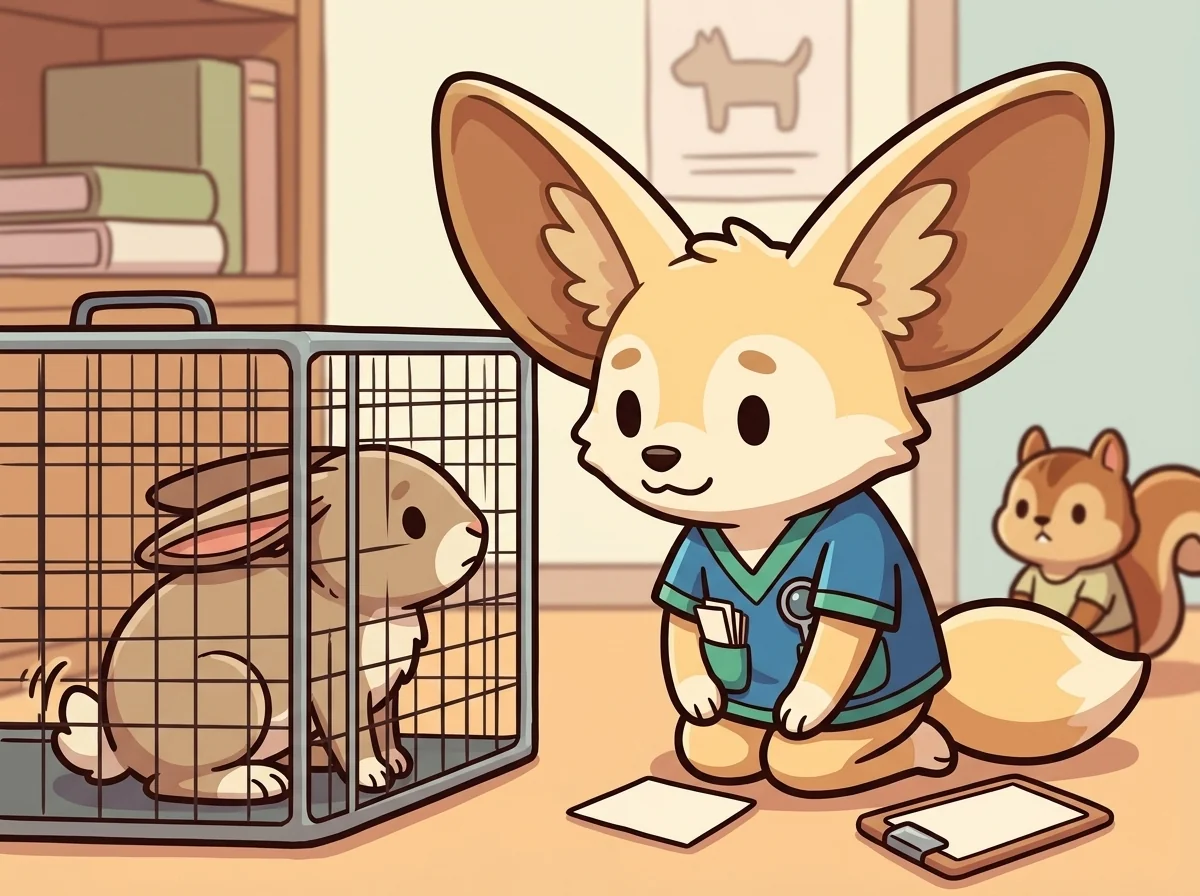
"Hello, Barnaby," Heed said softly. She knelt down. She didn't open the carrier right away. She just watched him.
Barnaby flattened his ears. He pressed himself further into the corner. He made a soft thumping sound with his back foot. Thump. Thump.
Heed pulled out her patient-assessment-cards. She looked at the first one. "Body language," it read. She wrote a note on her observation-tracker. "Barnaby is tense. Ears flat. Thumping foot. Hiding."
"See, Barnaby is telling us something," Heed whispered to her assistant, Pip. Pip was a young squirrel. He was still learning. "He's scared. He doesn't trust us yet."
Pip nodded. He usually just opened the carrier. He would try to grab the animal. That often made things worse.
Heed sat quietly for a few minutes. She just watched Barnaby. She took slow, deep breaths. Barnaby watched her back. His thumping stopped. His ears stayed flat. But he didn't press quite so hard into the corner.
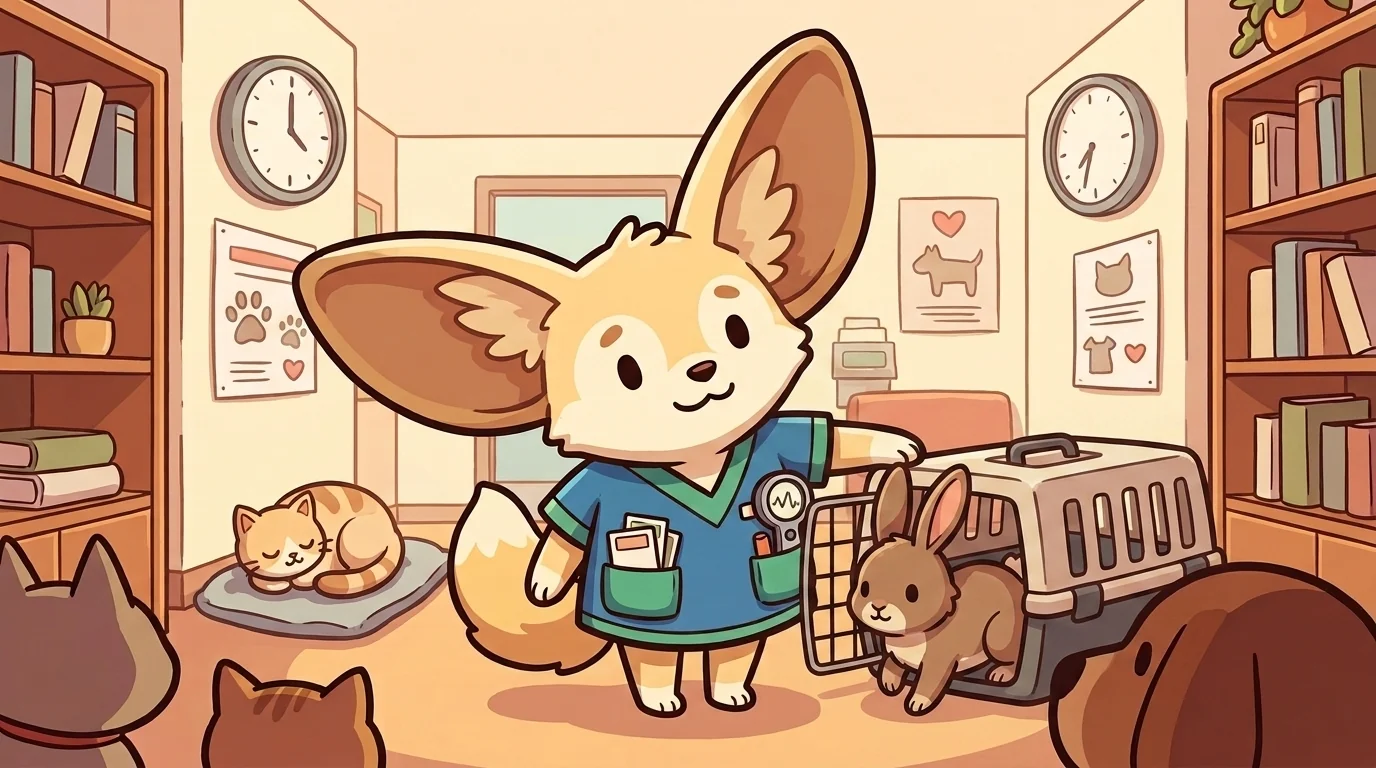
"Now, breathing," Heed said. She looked closely at Barnaby's sides. "His breathing is still quick. But it's not frantic anymore." She wrote that down.
Then she looked at his posture. "He's still huddled," she noted. "But he's not shaking as much. He's starting to relax just a little."
Heed spoke in a gentle voice. "It's important to listen to what Barnaby is telling us," she explained to Pip. "He's not using words. But his body is talking. If we rush, he'll get even more scared. Then we won't be able to help him properly."
She slowly reached a hand towards the carrier. She didn't try to touch Barnaby. She just rested her hand on the wire. Barnaby sniffed the air. He wiggled his nose. He still looked worried. But he didn't thump again.
"Okay, Barnaby," Heed said. "I think you're ready for the next step." She slowly unlatched the carrier door. She opened it just a crack. She didn't force him out. She let him decide.
Barnaby peeked out. He looked at Heed. He looked at Pip. He looked at the room. Then, very slowly, he hopped out. He stayed close to the carrier. He didn't run away.
"Good boy," Heed praised him softly. "Now we can look." This was the "look second" part. Heed gently checked Barnaby's fur. She looked at his eyes. She checked his teeth. She was very careful. She moved slowly.
Barnaby still seemed a bit nervous. But he let Heed touch him. He didn't try to bite or scratch. He just stayed still.
"He's much calmer now," Pip observed. "He trusts you."
"That's because we listened first," Heed said. "We built a relationship. We showed him we understood he was scared."
Finally, Heed got out her small stethoscope. This was for "instruments third." She listened to Barnaby's heart. She listened to his lungs. She took his temperature quickly. Barnaby barely flinched.
"Everything looks good, Barnaby," Heed told him. "Just a bit of a tummy ache, I think. We'll give you some special food."
Barnaby twitched his nose. He seemed to understand. He even nudged Heed's hand gently.
"See?" Heed smiled at Pip. "Listen first, look second, then we know. It's all about seeing the animal as a being. Not just a set of problems."
The CreatureCare ensemble
Heed is part of CreatureCare's distributed-narrative cast. Each character embodies a different curricular primitive; together they teach the full subject.
-

Chart
Diagnostics — the thoughtful pattern-finder who treats lab data as story-fragments ('numbers are notes; notes are not the song')
-

Tend
Treatment delivery — the steady-handed practitioner who foregrounds consent and explains procedures BEFORE doing them ('slow hands, calm voice, patient first')
-
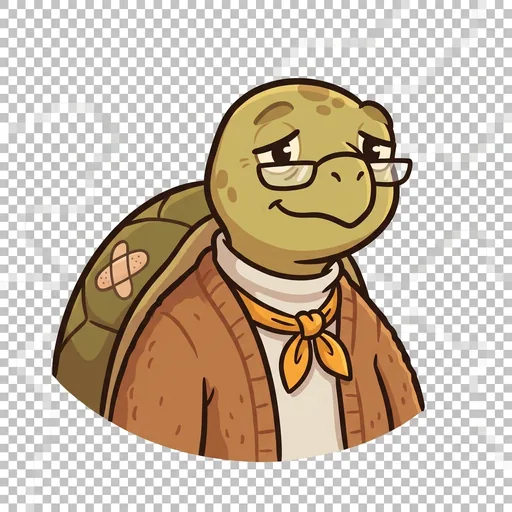
Knit
Recovery + follow-up — the patient tortoise-elder who teaches that healing is slow and that's the point ('days come, bandages come off, walk again — not yet, soon')
-

Bond
Welfare ethics + animal-human relationship — the wise heron-elder who carries the welfare-ethics gate at the kit-12 capstone ('care is more than cure — sometimes care means stopping; always care means seeing')