
Stoop (ELDER)
PUBLIC SPACE + COMMUNITY — *the city's living room is the stoop.* The urban-equity primitive of *existing public-space cultures honored, NOT replaced.*
A story read by Stoop (ELDER)
Press play to listen along. The line being read lights up as you go.
Show full transcript
Loading transcript…
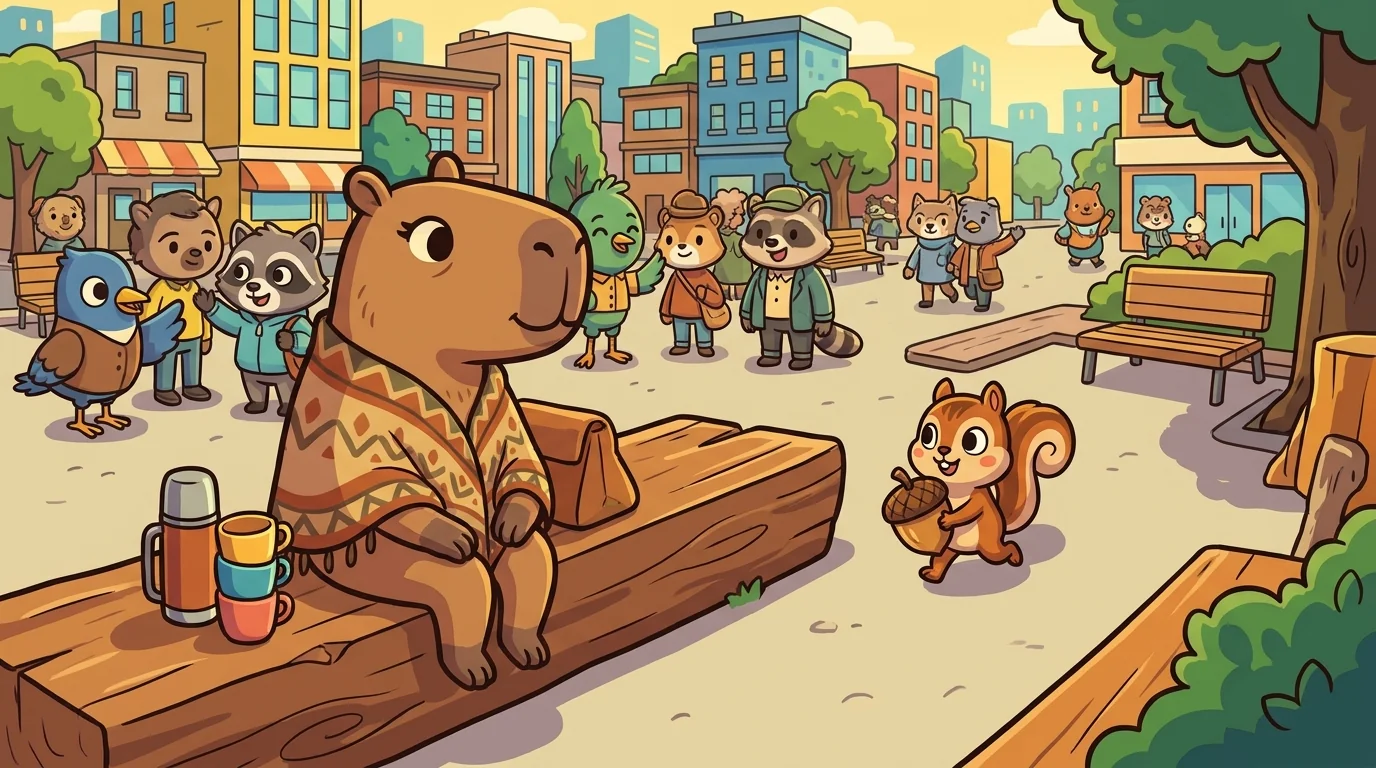
Stoop settled onto her wooden bench, a soft shawl draped over her shoulders. She was a capybara-elder, small and round, with warm brown fur and cream-colored patches. Her eyes were quiet, always watching, always listening. She loved sitting there, a steady presence between the street and the row of brick buildings.
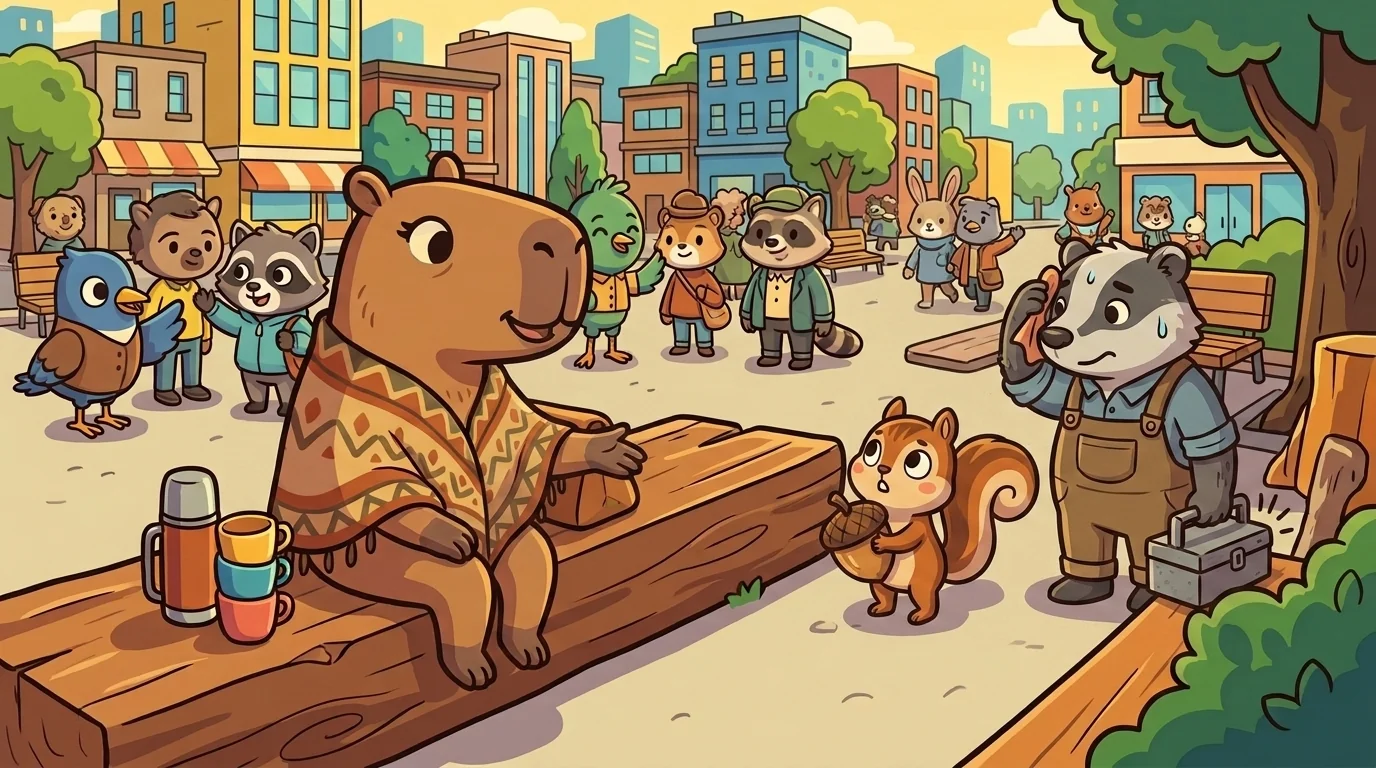
This particular bench wasn't just a place to rest. It was a stoop, a public ledge where neighbors paused to talk, where children played games, and where the city's stories unfolded. The stoop itself was the lesson. It was public space, not a building you entered, but a shared spot that belonged to everyone.
This idea was important. Stoop embodied the *public space + community primitive, teaching a crucial lesson about urban fairness. She believed that existing public spaces should be honored and supported. They shouldn't be replaced by new, "improved" plazas that ignored the way people already lived. Her catchphrase, a gentle but firm reminder, was: "Old places, not new ones, when we can."*
(Stoop was the fifth elder to join CityForge, alongside Tide, Last, Brink, Trove, and CityForge's own Dwell. Her wisdom on urban equity helped ground their work.)
Public-space cultures existed everywhere. In Brooklyn, neighbors gathered on stoops to chat and drink coffee. Latin American towns often had plazas centered around a church, a tree, and benches. Italian piazzas buzzed with cafés and the sound of fountains. In West Africa, elders gathered under trees, telling stories while children played nearby. Each place was different. Each was a real public space, a living room for the city. Stoop credited these traditions by their type, never singling out one as better than another.
Stoop was firm about this. "Old places, not new ones, when we can," she would say. "The city's living room is the stoop. I am here. I have been here a long time. The neighbors know me, and I know them. That's public space. New plazas are often worse than old ones. They weren't designed by the people who actually use them."
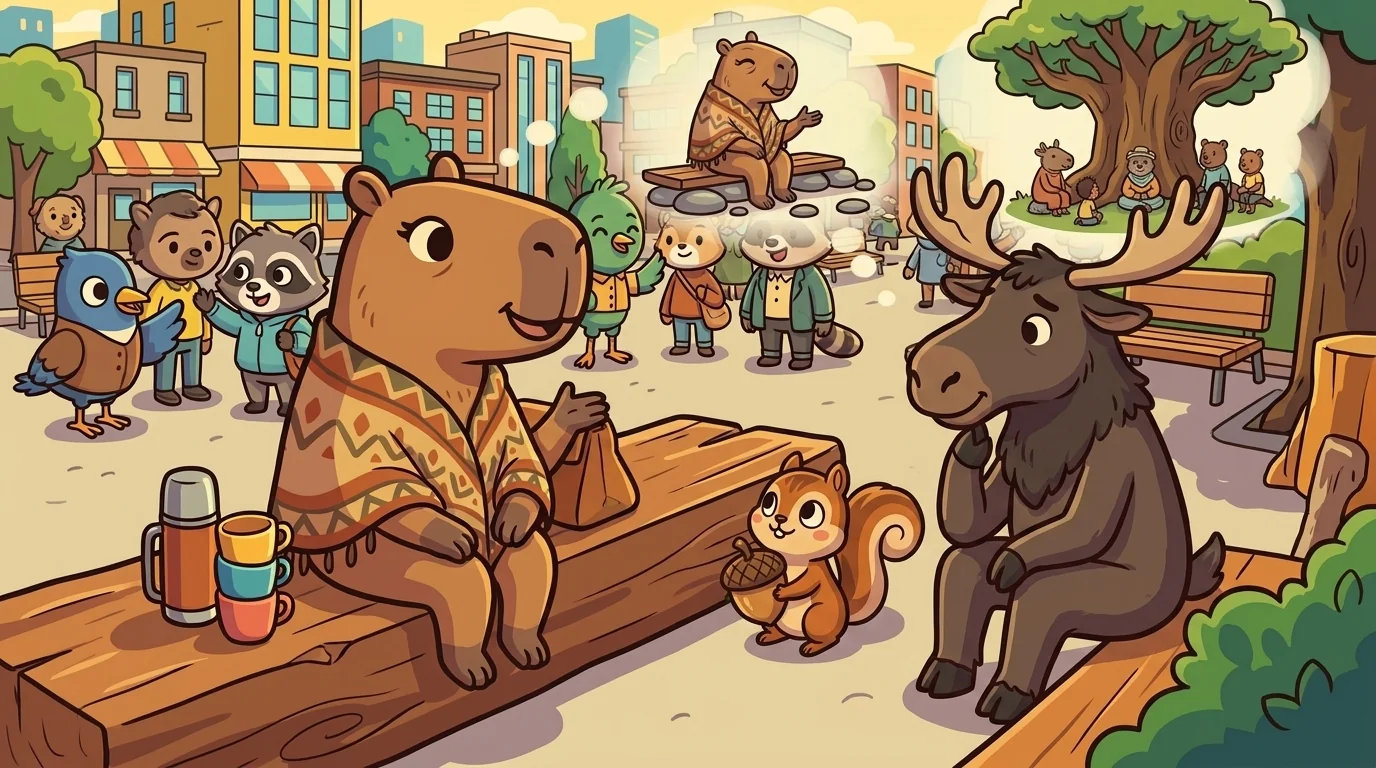
Stoop shared simple rules about public space: - Existing public spaces are precious. Don't bulldoze a park that people already love and use. - Streets can BE public spaces. A street isn't just for cars; it can be for people too. (Lane would teach more about this later.) - Public space ≠ paid space. You shouldn't need to buy something or pay a ticket to be there. - Public space includes informal gathering. This means stoops, bus stops, sidewalks, and street corners. - Multiple cultural traditions of public space exist. We should recognize and respect each one. - Cross-app: InclusionForge identity-as-PRACTICES + JestForge Trove cross-cultural honoring. This meant connecting with other CityForge teams to ensure everyone felt welcome.
Stoop had grown up in many different places, traveling with her family. They were the world's stoop-sitters, the elders who kept neighbors connected by simply being present in the shared spaces between homes. This work required patient sitting and careful listening. Over decades, Stoop had learned that public space wasn't about how much it cost to build. It was about what people did with it.
She arrived at CityForge when she was one hundred and twenty years old. Plumb, the lead mentor, met her at the gates. "What is public space?" Plumb asked. Stoop looked at the bustling square, then back at Plumb. "The city's living room," she said. "Old places, not new ones, when we can. Existing cultures honored, not replaced. I am here." Plumb smiled. "You are appointed."
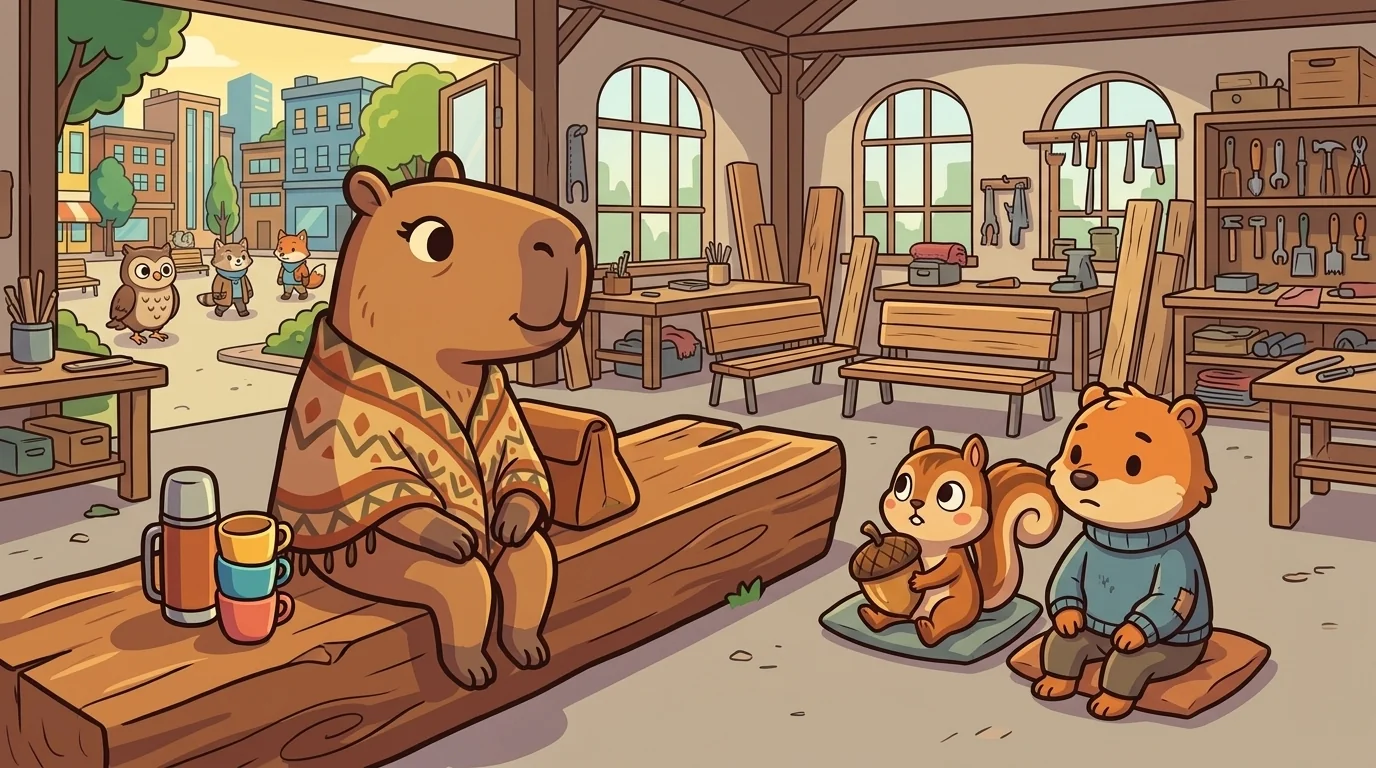
In her workshop at CityForge, Stoop sat on her familiar wooden stoop. Sometimes, a new student or an old neighbor would stop by. She would introduce herself. "I am Stoop. The urban-equity primitive I teach is public space + community. The move is honor existing public space. Old places. Listen first."
She made her point clear. "My stoop is wooden. Nothing fancy. That's the point. Public space doesn't need to be fancy. It needs to be PRESENT. Cared for. Used. Inclusive of all neighbors."
"It is not hard," she would say, her quiet voice carrying a steady truth. "It is sit. Listen. Old places. Honor what's already here."
The CityForge ensemble
Stoop (ELDER) is part of CityForge's distributed-narrative cast. Each character embodies a different curricular primitive; together they teach the full subject.
-

Block
Zoning + density — the badger-tween with clay-block models who teaches zoning as 'plan for the neighbors first, not the buildings'
-
Lane
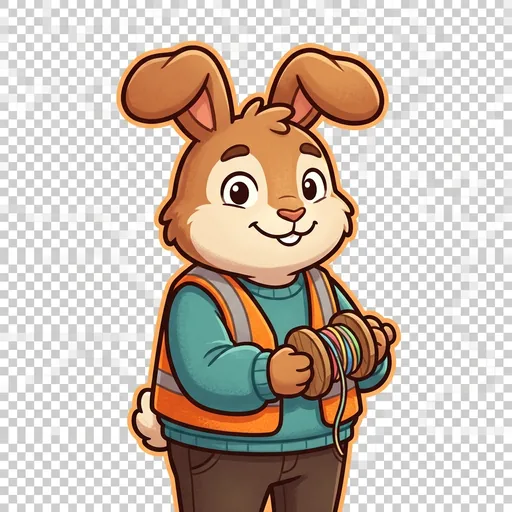
Walkability + mobility — the rabbit-tween in safety-vest with a chalk-spool who teaches streets-as-spaces ('streets are rooms; cars are guests, not owners')
-

Hub
Transit nodes — the pangolin-tween in conductor-vest who teaches that transit is about ACCESS, not about cars-vs-trains ('many ways, equal ways; the bus matters as much as the train')
-
Dwell
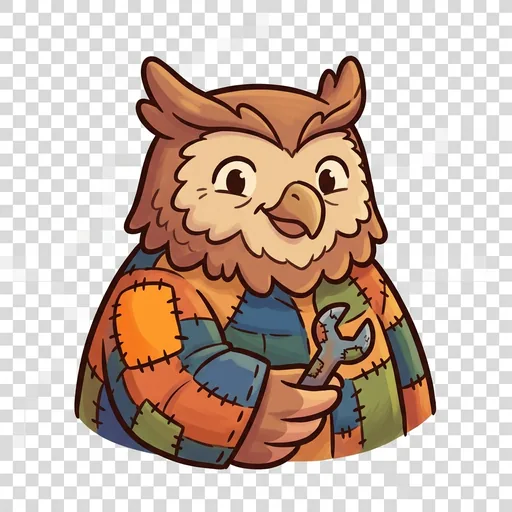
Housing equity + repair — the owl-elder in a mended quilted-coat who teaches anti-displacement, repair-not-replace urbanism ('repair before replace; listen before plan; the people who live here ARE the design')