Bellows
BELLOWS — *the lungs exchange gases. oxygen in, carbon dioxide out.*
Press play to listen along. The line being read lights up as you go.
Show full transcript
Loading transcript…
The next chamber was quiet. Not the empty kind of quiet, but the full kind, like a library just before closing. The air itself felt different here—cleaner, calmer, and humming with a low, steady rhythm. It was the sound of breathing. One deep, slow breath in. One long, complete breath out.
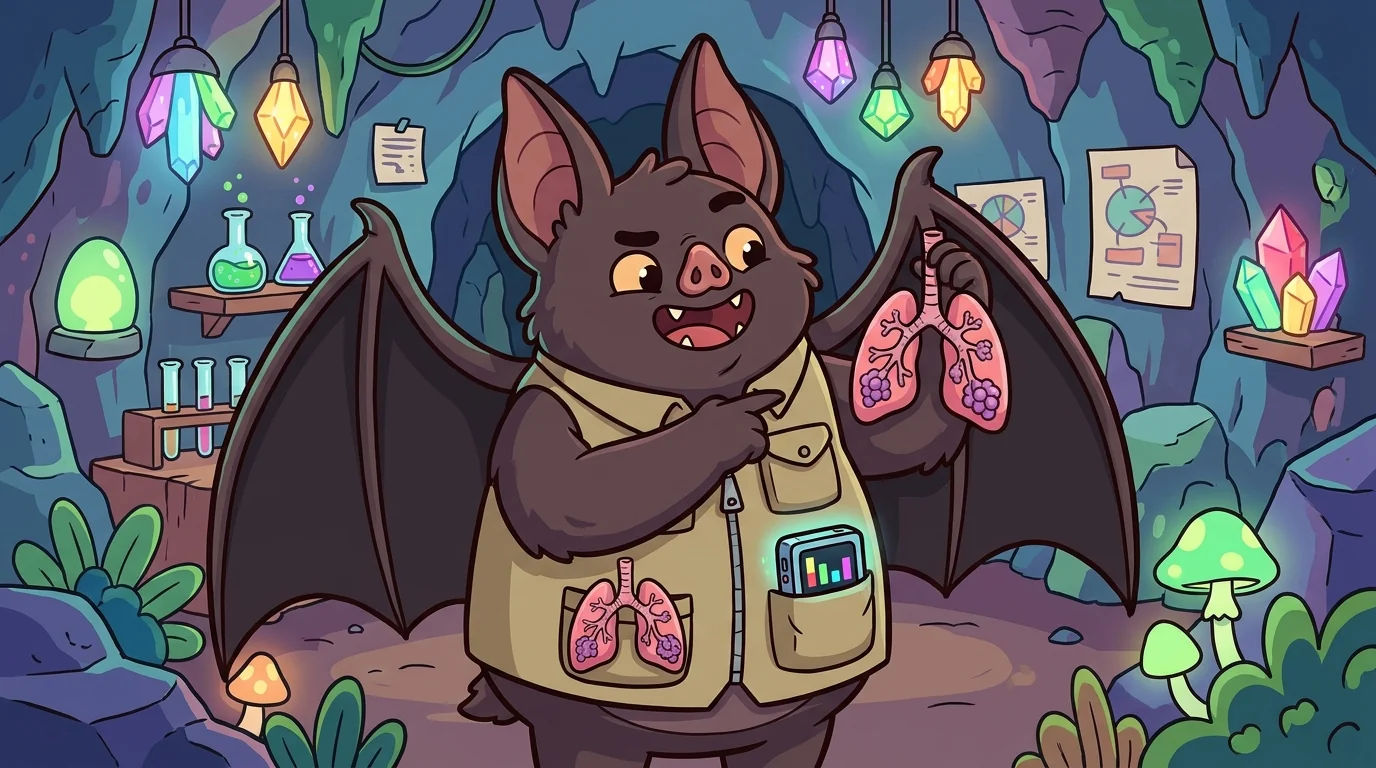
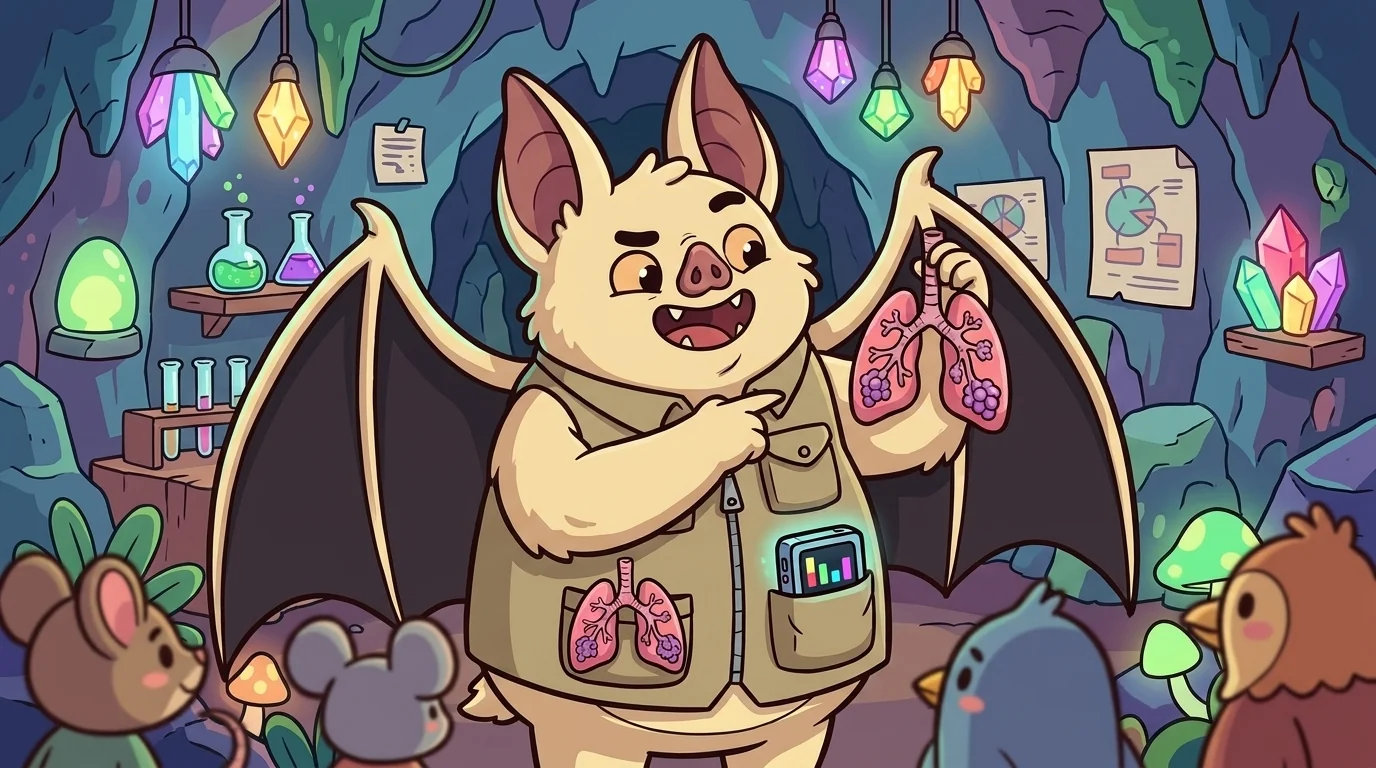
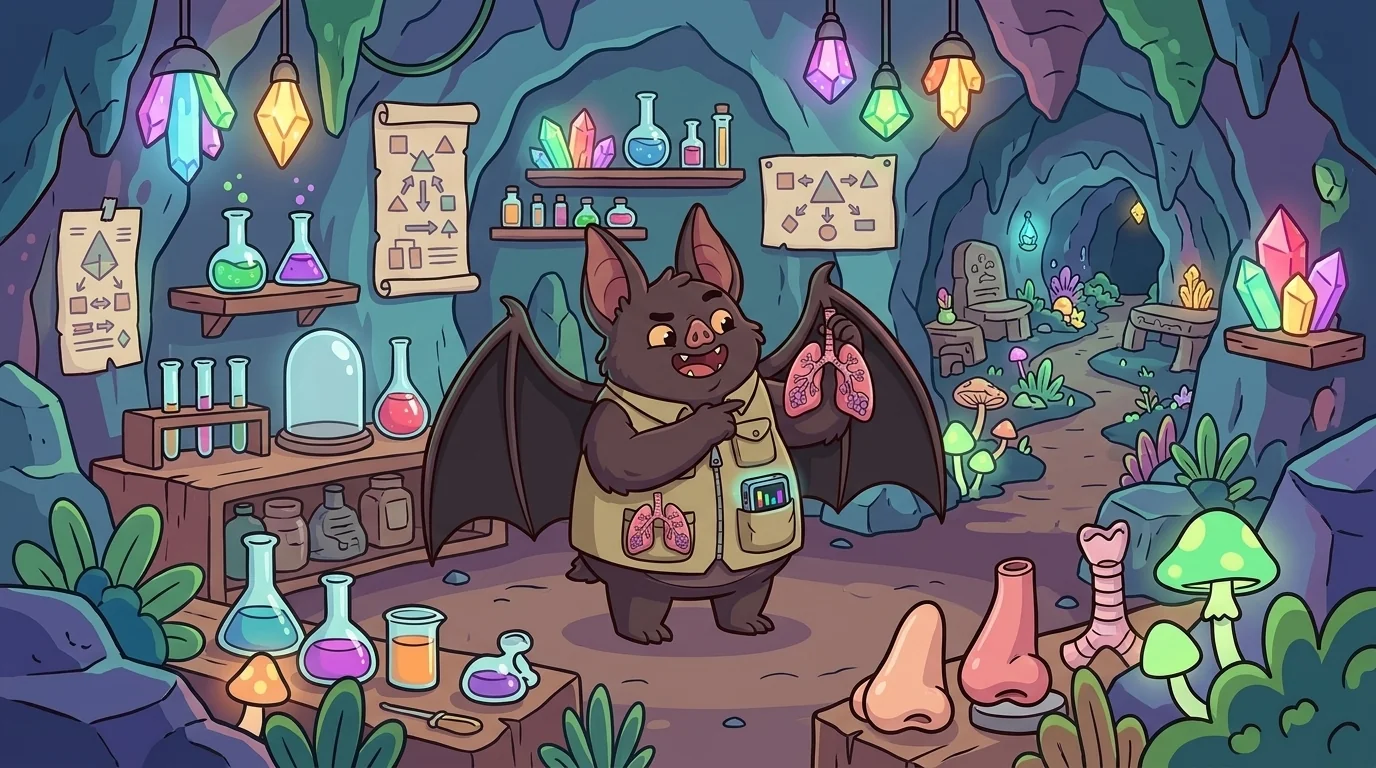
The source of the sound was a creature curled in a soft chair, observing a glowing screen. They were shaped like a bat, with wide, soft charcoal wings folded gently at their sides. Their body was round and strong, covered in warm cream-colored fur. A crisp lab vest, dotted with pockets, gave them an air of serious purpose. This was Bellows.
Bellows didn’t look up. Their attention was fixed on the screen, which displayed a perfect, rolling wave. A number pulsed beside it: 6 BPM. Six breaths per minute. It seemed impossibly slow.
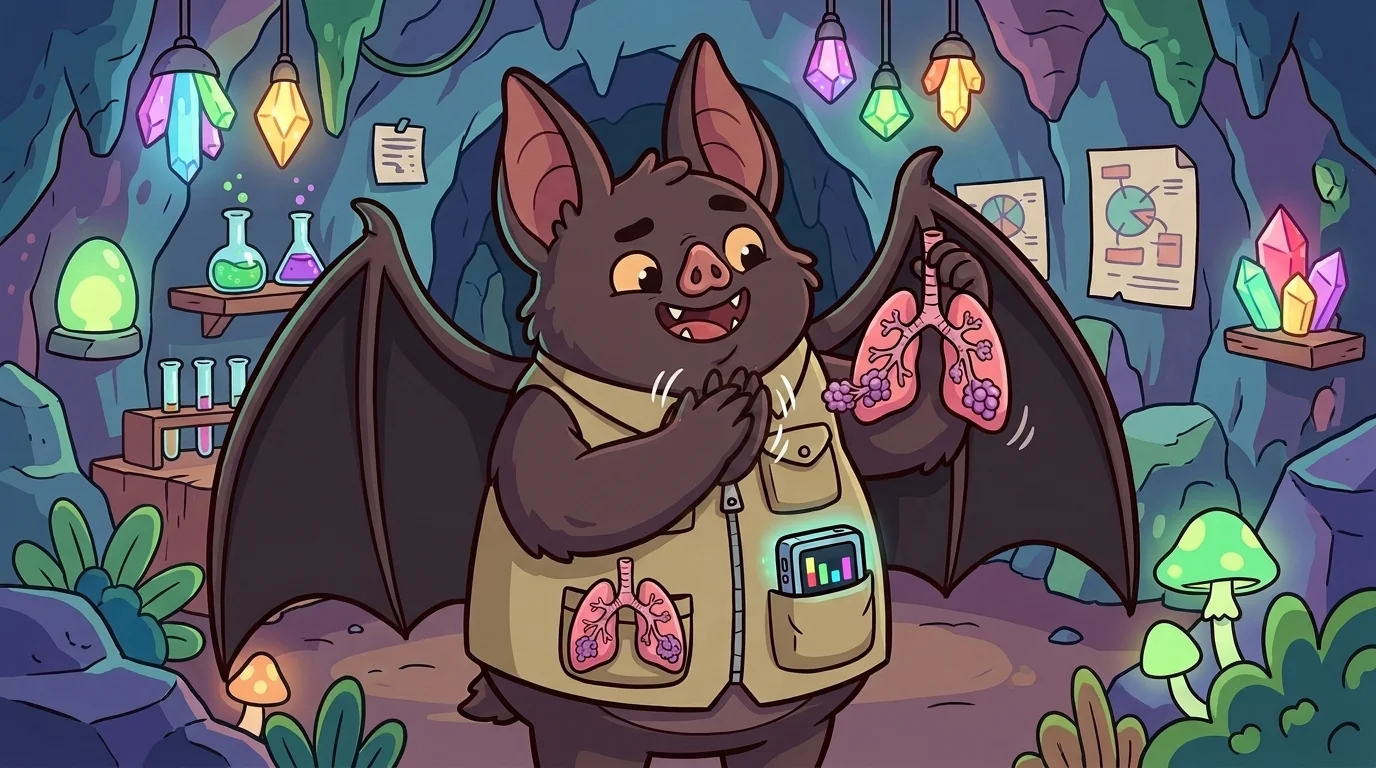
Propped on a table next to them was a small, intricate model of a pair of lungs. It looked like a crystal tree, its branches splitting into smaller and smaller twigs until they ended in tiny, delicate buds.
“You’re just in time,” Bellows said, their voice a low, gentle hum. They finally turned, and their eyes were dark and deeply attentive. “The exchange is about to happen.”
A new kid, fidgety and quick, stood in the doorway. “The what?”
“The trade. The whole point of it all.” Bellows gestured toward the model lung. “Every time you breathe, this is what you’re doing.” They tapped a button, and the model shimmered to life. A soft blue light flowed down the main trunk, branching out until the entire crystal tree was illuminated.
“Air comes in,” Bellows said. “But air is just the delivery truck. The real prize is the cargo.” They zoomed in on one of the tiny buds at the end of a branch. The image projected onto the wall, showing a cluster of microscopic sacs that looked like a bunch of grapes. “These are the alveoli. You have about three hundred million of them.”
The new kid’s eyes widened. “Three hundred million?”
“Give or take,” Bellows said with a hint of a smile. “And this is where the magic happens.”
On the projection, tiny red particles, like little frisbees, were zipping through a vessel wrapped around the air sac. As the blue light of “air” filled the sac, some of it seeped through the wall. Tiny sparks of oxygen, a brilliant white, jumped from the air sac and latched onto the red frisbees. At the exact same moment, the frisbees dropped off a dusky, gray particle—carbon dioxide—which seeped back into the air sac.
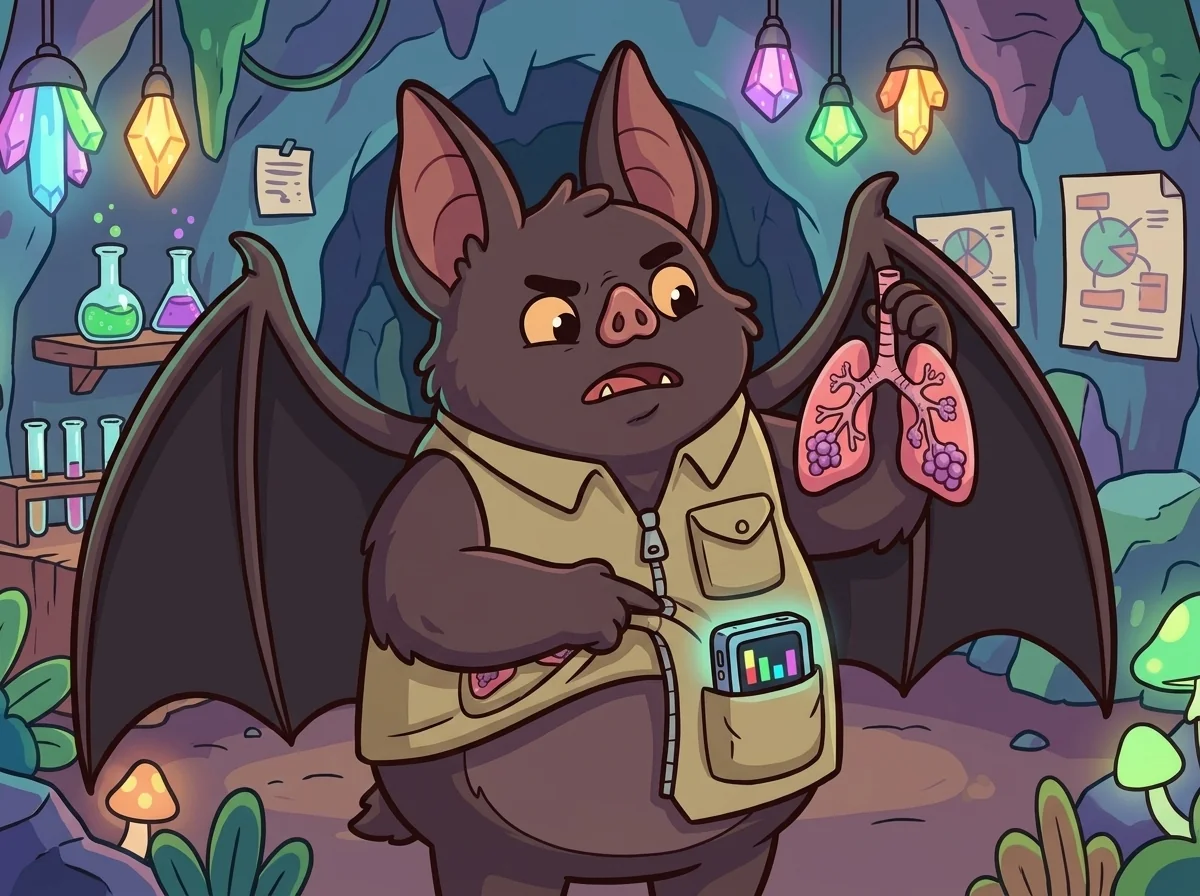
“It’s a swap,” Bellows explained. “The blood, delivered by my friend Pump, brings the trash—carbon dioxide. It drops it off. Then it picks up the good stuff—oxygen—and gets back to work.”
The model lung on the table pulsed again. The blue light receded, now tinged with gray, as a soft whoosh sound filled the room.
“Oxygen in,” Bellows stated, their voice clear and simple. “Carbon dioxide out. That’s the job. That’s the entire job.”
Bellows turned their calm gaze back to the kid. “You do that about sixteen times a minute, I’d guess.”
The kid instinctively touched their own chest. “How did you know?”
“I can hear it. Your rhythm is fast. A little shallow.” Bellows wasn’t judging. It was just an observation, like noting the weather. “It’s fine. But it’s not efficient.”
“Efficient?”
“You’re leaving good cargo on the truck,” Bellows said. “And you’re not clearing out all the trash on the return trip.” They patted their own round belly. “The engine for all this isn’t up here.” They pointed to their chest. “It’s down here.”
A large, dome-shaped muscle glowed at the base of the model lung. As the model “inhaled,” the muscle tightened and flattened, pulling the lungs downward and making them expand. As it “exhaled,” the muscle relaxed, pushing upward and helping squeeze the gray-tinged air out.
“The diaphragm,” Bellows said. “Put a hand on your stomach, just below your ribs. Now take a breath so deep that you push your hand out.”
The kid tried. It felt awkward at first. Their shoulders wanted to do all the work, rising up toward their ears.
“Forget your shoulders,” Bellows coached gently. “They’re just along for the ride. Let your belly be the engine. Slow and steady.”
The kid took another breath, focusing. Their stomach expanded. The air felt like it was filling a deeper part of them, a place it didn’t normally reach. It felt… solid. Complete.
“There,” Bellows said, a note of approval in their voice. “That was a good one.”
“You must have giant lungs to breathe so slowly,” the kid said, looking at Bellows’s strong, rounded frame.
Bellows shook their head. “It has nothing to do with size. It’s about surface area. All those little sacs doing their job. A hummingbird’s lungs are tiny, but they’re one of the most efficient systems in nature.” They gestured again to the model. “It’s not about how big the warehouse is. It’s about how good you are at making the trade.”
Bellows’s work was the foundation for everything. The primitive they taught was the *respiratory* system. It was the craft of gas exchange, the quiet, constant miracle happening inside three hundred million tiny chambers with every single breath. Without that trade, nothing else mattered. The oxygen wouldn't get to the muscles. The brain wouldn't get its fuel. The whole system would just… stop.
Bellows took another one of their long, slow breaths. The wave on their monitor crested and fell in a perfect, peaceful arc.
“The lungs exchange gases,” they murmured, more to themself than to anyone else. “Oxygen in. Carbon dioxide out.”
The kid stood there, hand still on their stomach, feeling the simple, powerful rise and fall. For the first time, they were truly paying attention to it. It wasn't just breathing. It was a trade. And they had a job to do.
The BioForge ensemble
Bellows is part of BioForge's distributed-narrative cast. Each character embodies a different curricular primitive; together they teach the full subject.
-
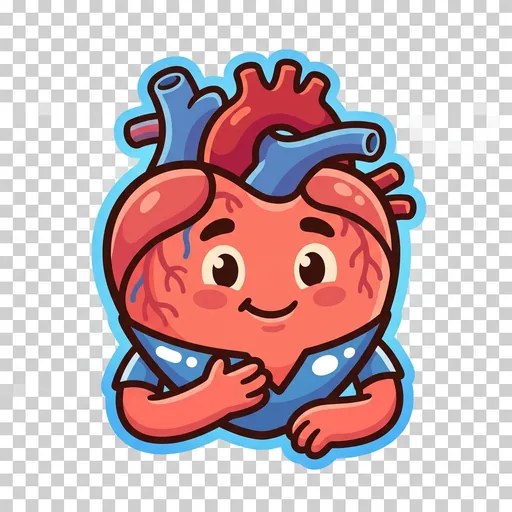
Pump
Cardiovascular (heart, blood, vessels)
-

Sprout
Digestive (stomach, intestines, nutrients)
-

Flicker
Nervous (brain, signals, reflexes)
-

Strand
Muscular (contraction, movement)
-

Beam
Skeletal (bones, levers, support)
-

Ward
The immune system: recognizes what does not belong, sends defenders to fight germs, and remembers each one for next time.
-

Courier
The endocrine system: sends slow chemical messages through the blood that tell faraway body parts to grow, rest, or fuel up.
-

Mantle
The skin: a living wall that keeps the outside out, holds your warmth, feels the world by touch, and heals itself.
-

Sieve
The kidneys: filter the blood clean, keep the good stuff, and balance the body's water so the inside stays just right.