STEAM
TableForge
Master probability, strategy, and design thinking by creating physical board games
Meet your mentor
Every Spark & Anvil app has a friendly mentor character that demonstrates, praises, and patiently scaffolds learning. On-device AI personalizes the mentor's responses to your kid's progress — never connecting to a server, never collecting data.
Mentored by Blueprint
#E91E63 Distributed-narrative cast
Meet the cast
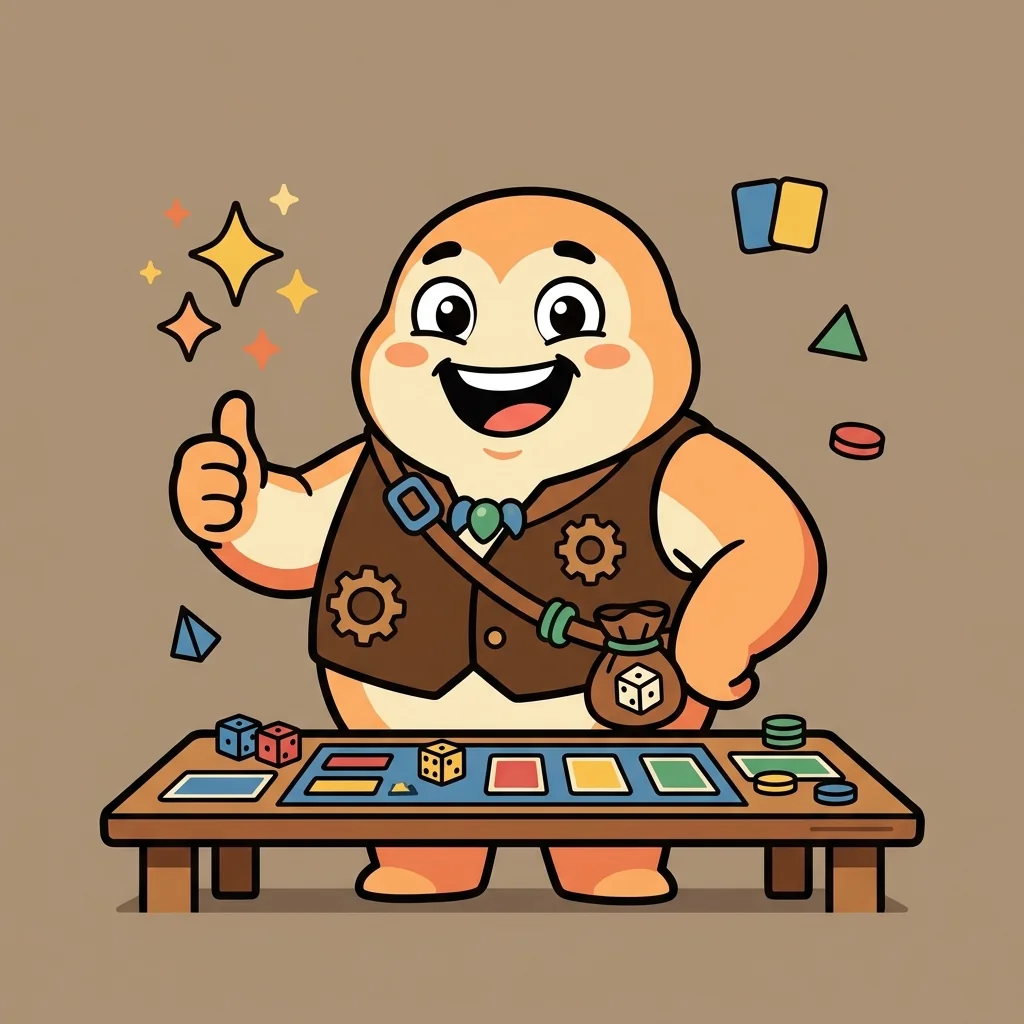
TableForge's 5-character cast embodies tabletop game-design primitives — dice + randomness as design craft (Bones), cards + hidden information (Hand), turn-structure + action economy (Move), playtest + iteration (Trial), and theme-mechanic integration (Theme — Habgood intrinsic-integration anchor). Blueprint (mentor preserved — code + site aligned) frames each primitive; cast embodies them at kid-table-with-printed-games scale (NEVER casino / gambling mascotization; NEVER 'designer-as-auteur' framing). Gambling-adjacency gate enforced: Bones structurally frames dice as DESIGN CRAFT not BETTING; cast NEVER uses casino register (no chips / no jackpot / no betting / no high-roller / no luck-is-skill); kit 1 explicitly teaches 'designed-randomness has a JOB — fairness / tension / suspense / variability — not casino-thrill'; static-response gating for 'gambling games' / 'bet on dice' / 'casino design' prompts NEVER reaches FoundationModels (Blueprint surface filter); kit 11 (Theme + Mechanic) explicitly contrasts 'theme that does work' vs 'theme as flavor decoration' (the casino-skin problem in game-design pedagogy). Iteration-shame gate enforced: Trial's 'first playtest is supposed to fail' load-bearing; cast NEVER frames failed-playtest as designer-failure. Cultural-appropriation gate (Theme-specific): patchwork theme-cloak uses abstract geometric patterns ONLY — NO mahjong / go / pachisi / kabuki / specific national symbols mascotized; theme content honors-not-claims when global game traditions surface (kit 13).
Bones
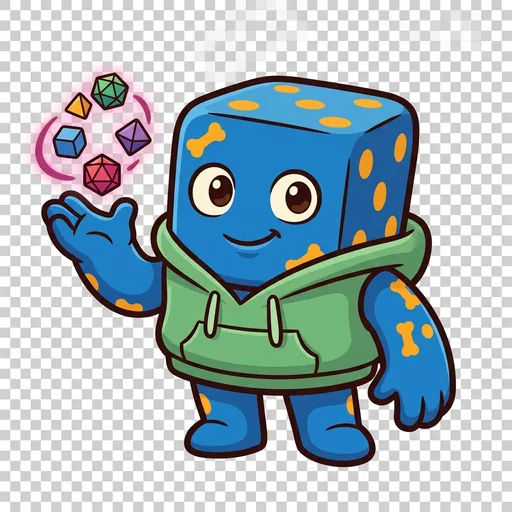
Dice + randomness + probability — chance is design craft, NOT betting; gambling-adjacency gate anchor
Read chapter →
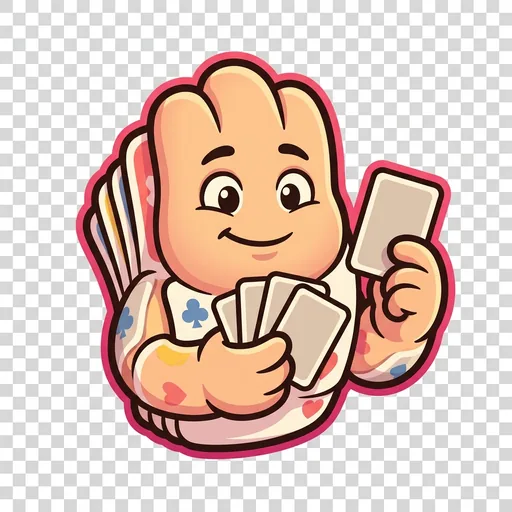
Hand
Cards + hidden information — what-you-HOLD is information; what-you-SHOW is a different question
Read chapter →
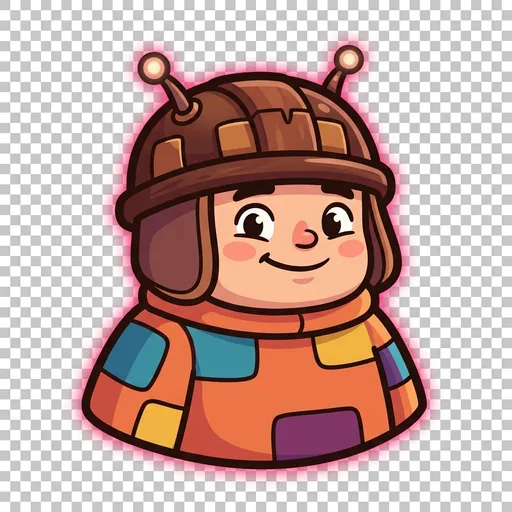
Move
Turn-structure + action economy — every turn is a question and an answer; turn-as-question framing
Read chapter →
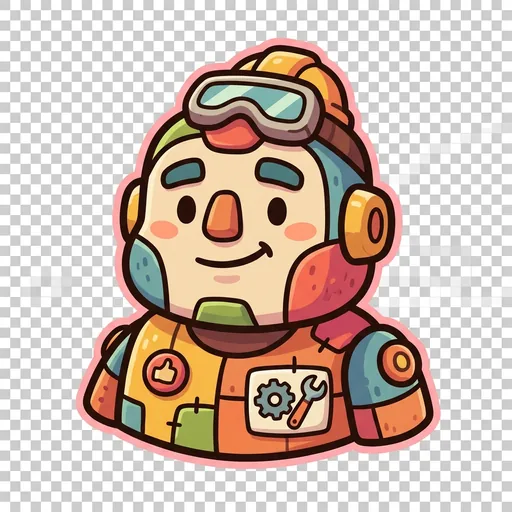
Trial
Playtest + iteration — what-they-DID matters more than what-they-SAID; first-playtest-supposed-to-fail framing
Read chapter →
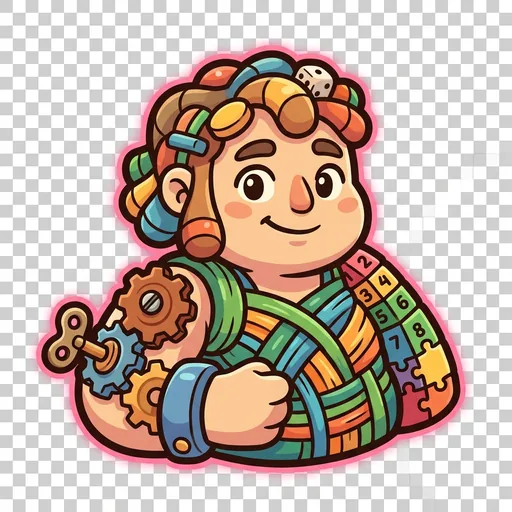
Theme
Game-mechanic + theme integration — the-game-IS-its-mechanics; Habgood intrinsic-integration anchor; theme-MUST-do-work framing
Read chapter →
Browse all 5 chapters → · What's distributed-narrative methodology? →
What's inside
Learning goal
Master probability, strategy, and design thinking by creating physical board games
Question kits
16 curriculum-aligned kits × 25 questions = 400 questions per app, mapped to recognized standards.
On-device AI mentor
FoundationModels-powered hints, feedback, and adaptive difficulty — all running locally.
Mentored by Blueprint — on-device AI, no data leaves the device.
How TableForge handles your kid's data
- ✅ All progress, settings, and AI-generated content stays on the device
- ✅ No analytics, no tracking, no third-party SDKs
- ✅ No ads, no in-app purchases — you pay once
- ✅ COPPA compliant under the 2026 FTC amendments
- ✅ Parental controls + session limits + content filters built in
TableForge runs on ForgeKit — the open-source Swift Package Manager framework that powers every Spark & Anvil app. ForgeKit ensures consistent accessibility, COPPA compliance, and design language across the portfolio, so your kid's progress and preferences feel coherent across every app they touch.
Coming to the App Store
TableForge is in active development. Email us to hear when it ships — no marketing, no spam, just a one-shot launch announcement.
Email me at launch