STEAM
IllusionForge
Science-of-magic exploration app where kids discover the physics, chemistry, and cognitive psychology behind magic tricks and optical illusions. Interactive science animations demonstrate forces, optics, and misdirection principles. Performance planning builds public speaking confidence. Concrete cause-and-effect reasoning satisfies the "need to know why" drive common in neurodivergent learners.

Meet your mentor
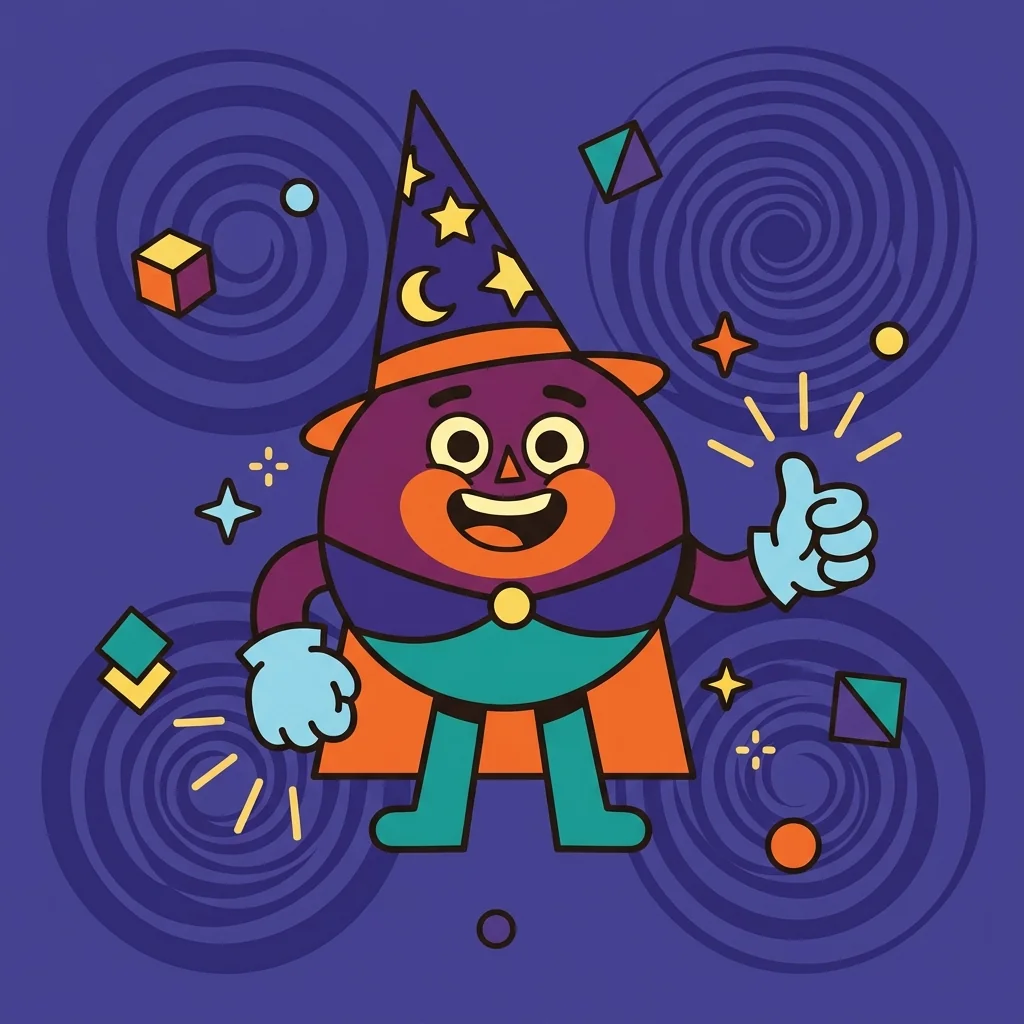
Every Spark & Anvil app has a friendly mentor character that demonstrates, praises, and patiently scaffolds learning. On-device AI personalizes the mentor's responses to your kid's progress — never connecting to a server, never collecting data.
Mentored by Veil
#E91E63 Distributed-narrative cast
Meet the cast
IllusionForge sits in the **creative-studio visual-arts cluster** alongside PixelForge / SpectrumCanvas / MangaForge — all 4 shipping distributed-narrative casts in.

Fade
The afterimage / persistence-of-vision — the visual trace left after a stimulus is removed (the foundation of animation, film, and many magic tricks)
Read chapter →

Stack
The perspective trap — the geometric arrangement that misleads size and depth judgments (Müller-Lyer, Ponzo, Ebbinghaus, vanishing-point depth cues)
Read chapter →
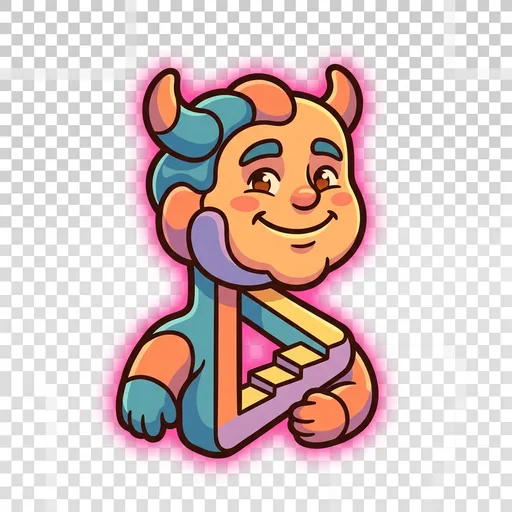
Notch
The impossible figure — the figure that locally reads as coherent but globally cannot exist (Penrose triangle, Escher staircase, blivet)
Read chapter →
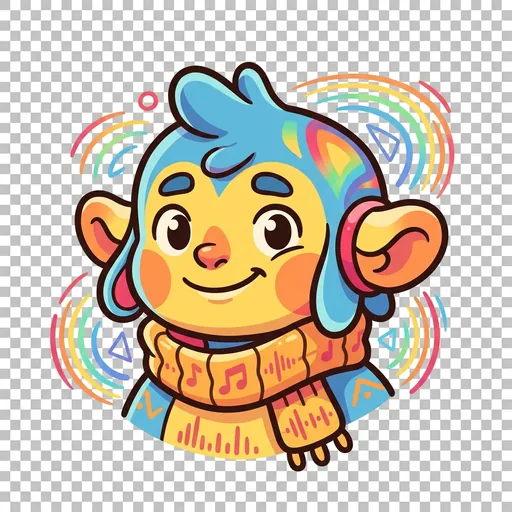
Cue
The auditory illusion — the sound-perception mechanism (Shepard tones, McGurk effect, phantom-melody, missing-fundamental)
Read chapter →

Loop
The perceptual loop — the recursive / endless / barber-pole motion illusion (the mechanism that makes the brain see motion that can't end)
Read chapter →
Browse all 5 chapters → · What's distributed-narrative methodology? →
What's inside
Learning goal
Science-of-magic exploration app where kids discover the physics, chemistry, and cognitive psychology behind magic tricks and optical illusions. Interactive science animations demonstrate forces, optics, and misdirection principles. Performance planning builds public speaking confidence. Concrete cause-and-effect reasoning satisfies the "need to know why" drive common in neurodivergent learners.
Question kits
16 curriculum-aligned kits × 25 questions = 400 questions per app, mapped to recognized standards.
On-device AI mentor
FoundationModels-powered hints, feedback, and adaptive difficulty — all running locally.
Mentored by Veil — on-device AI, no data leaves the device.
How IllusionForge handles your kid's data
- ✅ All progress, settings, and AI-generated content stays on the device
- ✅ No analytics, no tracking, no third-party SDKs
- ✅ No ads, no in-app purchases — you pay once
- ✅ COPPA compliant under the 2026 FTC amendments
- ✅ Parental controls + session limits + content filters built in
IllusionForge runs on ForgeKit — the open-source Swift Package Manager framework that powers every Spark & Anvil app. ForgeKit ensures consistent accessibility, COPPA compliance, and design language across the portfolio, so your kid's progress and preferences feel coherent across every app they touch.
Coming to the App Store
IllusionForge is in active development. Email us to hear when it ships — no marketing, no spam, just a one-shot launch announcement.
Email me at launch