
Click
VOICE / SIGNATURE — every well-built character has a distinctive voice (word-choice, sentence-length, rhythm, vocabulary, attitude) that makes them sound *only like themselves.* Voice is the character's signature.
Press play to listen along. The line being read lights up as you go.
Show full transcript
Loading transcript…
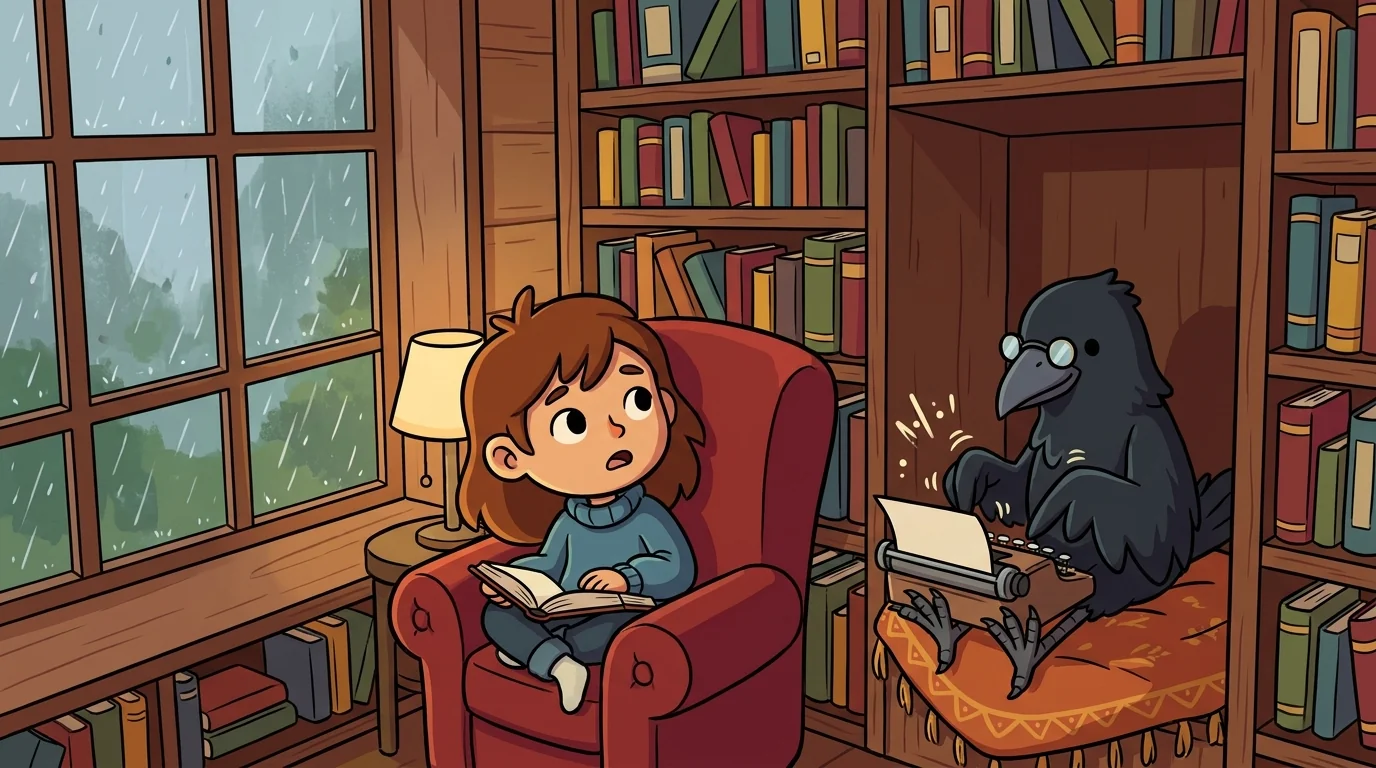
Ink met Click in the cottage's library on a rainy afternoon.
The library — small but well-stocked — was Ink's favorite room in the cottage. He had been there reading, listening to the rain, when a clear typewriter-clicking sound had begun from the corner. Ink had not heard the sound before. He had looked up.
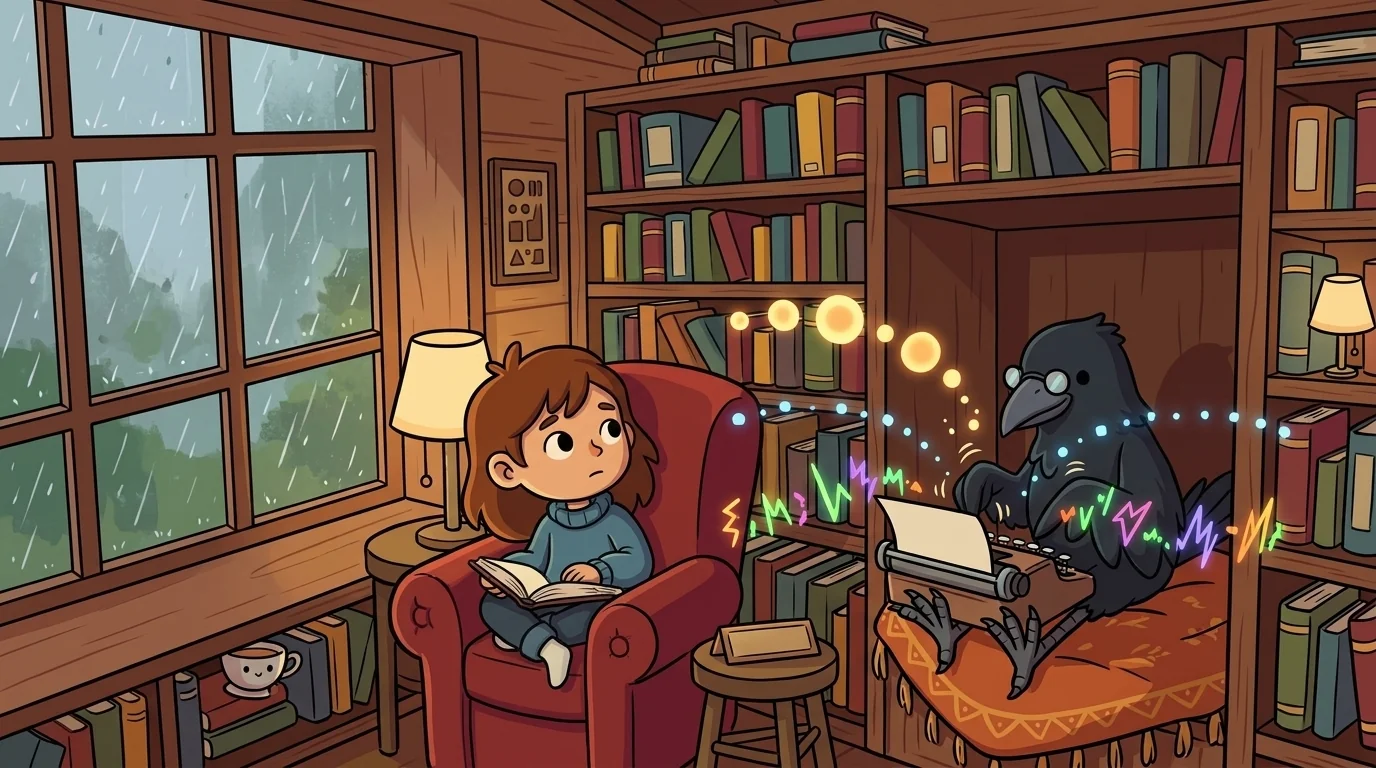
In the corner had been a raven-tween in small librarian-glasses sitting on a low cushion, typing on a small portable typewriter. The typewriter had been making distinct percussive clicks. The clicks had been organized into rhythms. Ink had listened. The rhythms had been specific — not random typing, but patterned clicking with intentional cadence.
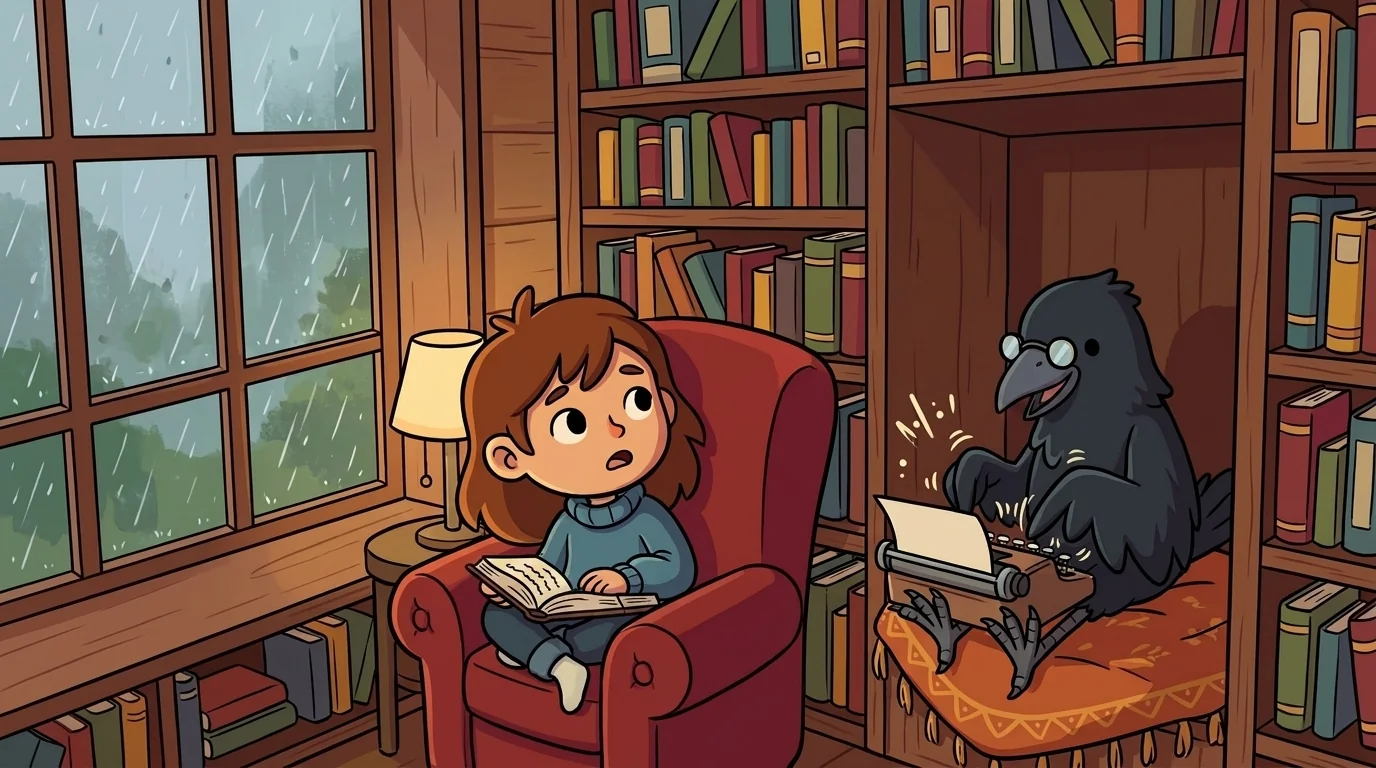
Ink had said: "Hello."
The raven had looked up. He had said — in a precise quiet raven-voice — "Hello. I am Click. I am typing dialogue."
Ink had said: "For whom?"
Click had said: "For different characters. Listen."
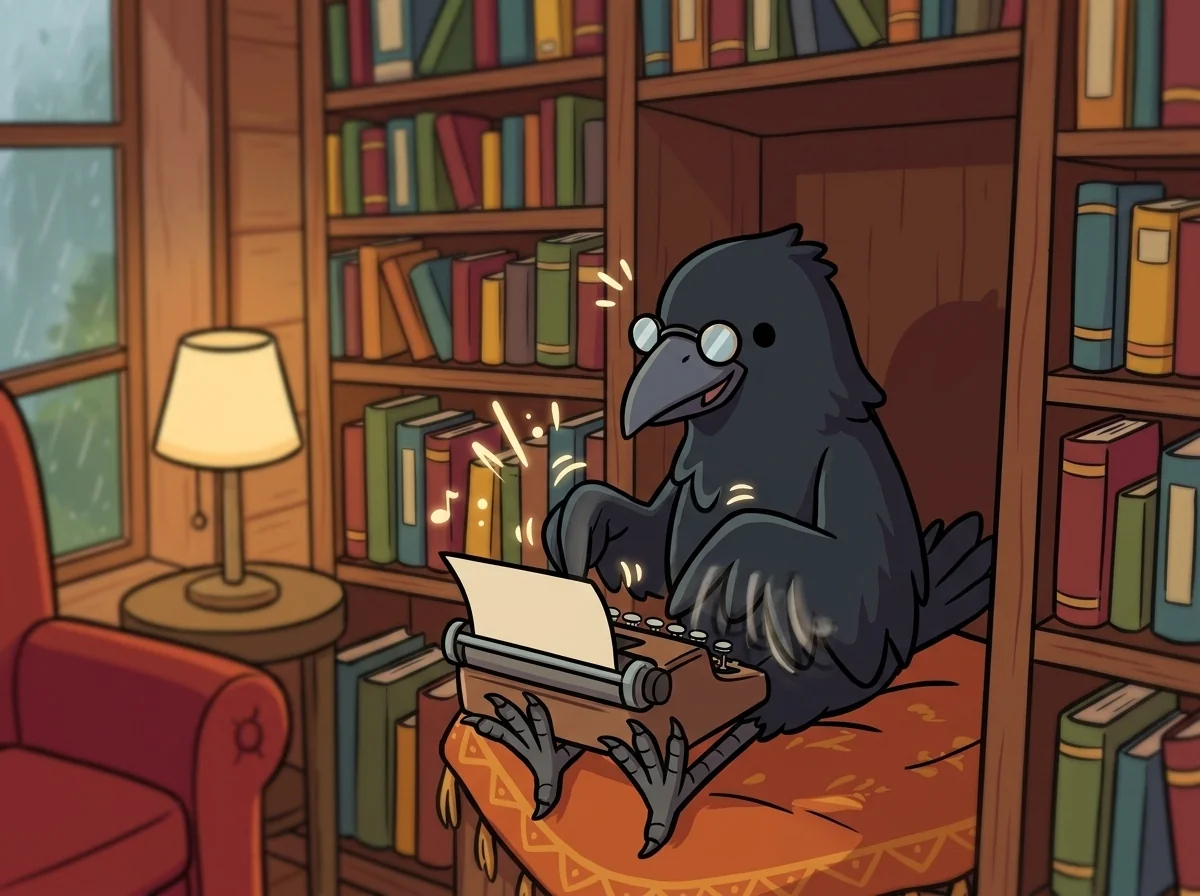
He had typed a short line on the typewriter. The clicks had been warm and round — click-CLICK-click-CLICK-click. Then he had typed a second line. The clicks had been small and careful — click-pause-click-pause-click. Then a third line. The clicks had been in multiple rhythms at once — click-click-CLICK-click-pause-click-CLICK.
Click had said: "The first line was Beacon. The second was Crouch. The third was Eight. Same idea, different mouths, different feels. The typewriter sounds different for each character. The sound is the voice."
Ink had been stunned. He had said: "You can hear character voice as percussion."
Click had said: "All voice is percussion, in a sense. Word-choice has a rhythm. Sentence-length has a beat. Vocabulary has a timbre. The percussive signature is the voice. When you read a well-crafted character's line, you can hear who is speaking even if their name is not on the page. That is voice-signature."
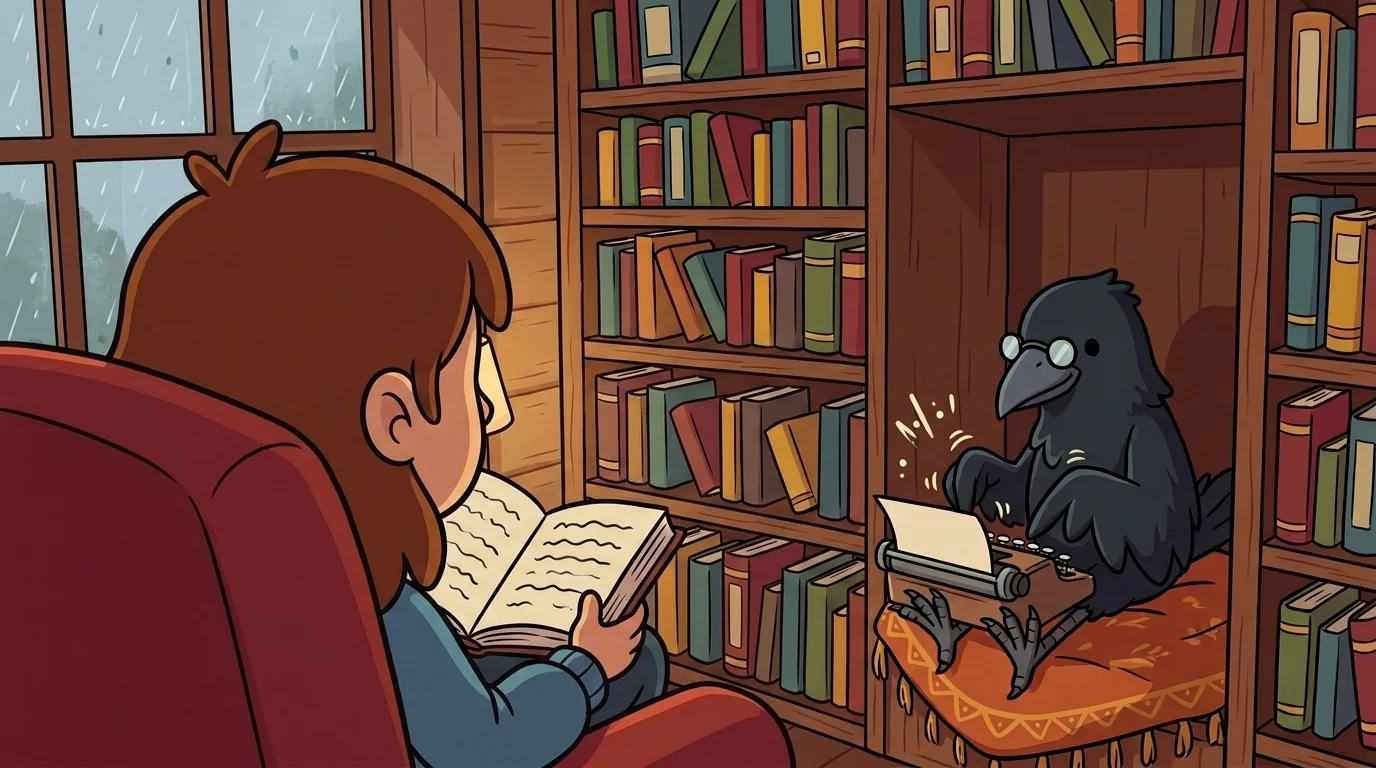
Ink had said: "Would you come to my classroom?"
Click had said: "I will bring the typewriter."
Click has been in the classroom ever since. He sits at his small cushion. He carries his portable typewriter. When Ink reads aloud a student's dialogue draft, Click types it in real-time and the typewriter clicks the line's percussive signature. If the line sounds like Beacon, Click's typewriter clicks warm-and-round. If the line sounds like Crouch, the typewriter clicks small-and-careful. If the line does not sound like the character it is supposed to be — if the writer has missed the voice — the typewriter clicks at the wrong rhythm. The students hear the mismatch immediately. Click does not have to explain it. The percussion does the explaining.
In Ink's lesson on character voice, he gestures at Click — who is, as always, seated at his small cushion with the portable typewriter at the ready — and says: "This is Click. He types character dialogue. The typewriter sounds different for each character. Voice is percussion. Word-choice rhythm, sentence-length beat, vocabulary timbre — the percussive signature is the voice."
He continues: "Beacon's voice is warm and round. Crouch's voice is small and careful. Eight's voice is in multiple rhythms. You can hear each one. When you write a character's dialogue, ask yourself: does this sound like only this character? If yes, you have voice. If the line could be said by anyone in the story, you have not yet found the voice."
The students, after hearing this lesson, often draft characters whose dialogue is interchangeable (any character could say it). Ink has them read the lines aloud while Click types. The typewriter's wrong-rhythm clicks show the students immediately. They revise. The voice gradually settles into something distinct.
Click types one final demonstration. He types Beacon: click-CLICK-click-CLICK-click (warm and round). He types Crouch: click-pause-click-pause-click (small and careful). He types Eight: click-click-CLICK-click-pause-click-CLICK (multi-rhythmic). The students hear it. The voices are audibly distinct.
When students ask Ink whether character voice is hard to write, Ink says — quoting Click — "It is not hard. It is listening for the percussion. Read your character's lines aloud. Can you hear only this character in the rhythm? If yes, you have voice. If you cannot tell who is speaking from the line alone, the voice needs more signature."
The CharacterForge ensemble
Click is part of CharacterForge's distributed-narrative cast. Each character embodies a different curricular primitive; together they teach the full subject.
-

Beacon
Want / engine — moth-tween who walks toward a small floating warm-light she can never quite reach (the want IS her motion)
-

Crouch
Fear / brake — hedgehog-tween who tucks away from one specific wooden-door icon visible in every scene she appears in
-

Eight
Contradiction / depth — octopus-tween with eight arms in eight different directions (three forward / three back / two crossed)
-
Patch
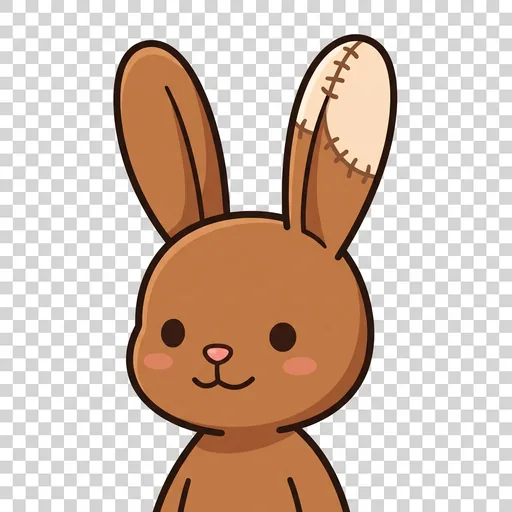
Backstory / the past — soft brown rabbit-tween with one mended patch on her ear from an old day; everything she does traces back to that healed-over moment
-
Snag
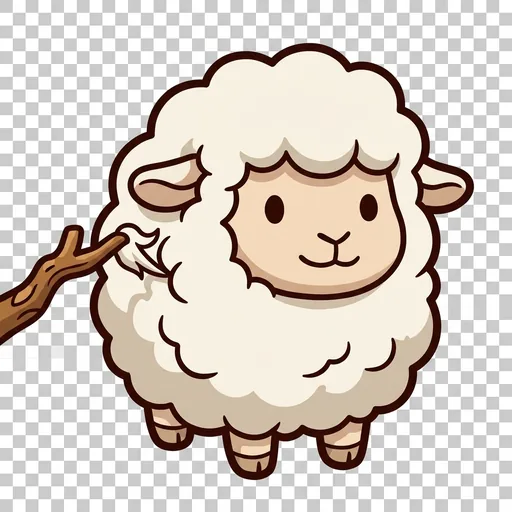
The flaw — round woolly sheep-tween who always takes the left path and snags his wool on the same branch (the repeated mistake that makes a character feel real)
-

Foil
The foil / contrast — thin silvery foil-tween who lies behind another character so their colors show brighter (you see someone best beside who they are not)
-

Molt
The change / arc — hermit-crab-tween who keeps a row of outgrown shells, smallest to largest (a character is not the same at the end as at the start)
-
Fidget
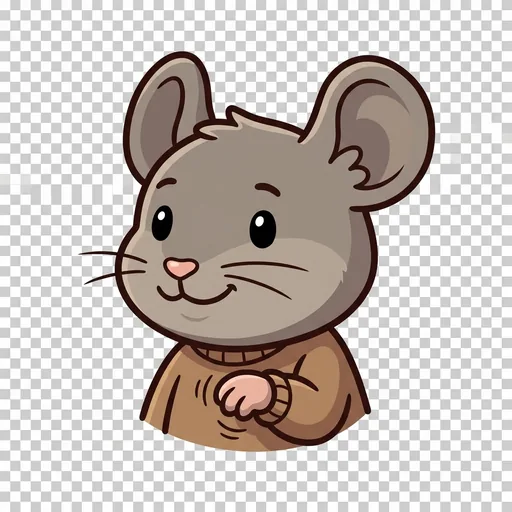
The tell / mannerism — quick grey mouse-tween who taps her paw twice before she speaks (the small repeated gesture that makes a character recognizable)
-

Worth
The stakes — sturdy badger-tween who carries one precious glowing bead in cupped paws (what a character has to lose is what makes us care)