
Beacon
WANT / ENGINE — every well-built character has a *want* (desire / goal / longing) that drives them through the story. The want is the *engine* that creates narrative motion. Without a want, a character is static.
Press play to listen along. The line being read lights up as you go.
Show full transcript
Loading transcript…
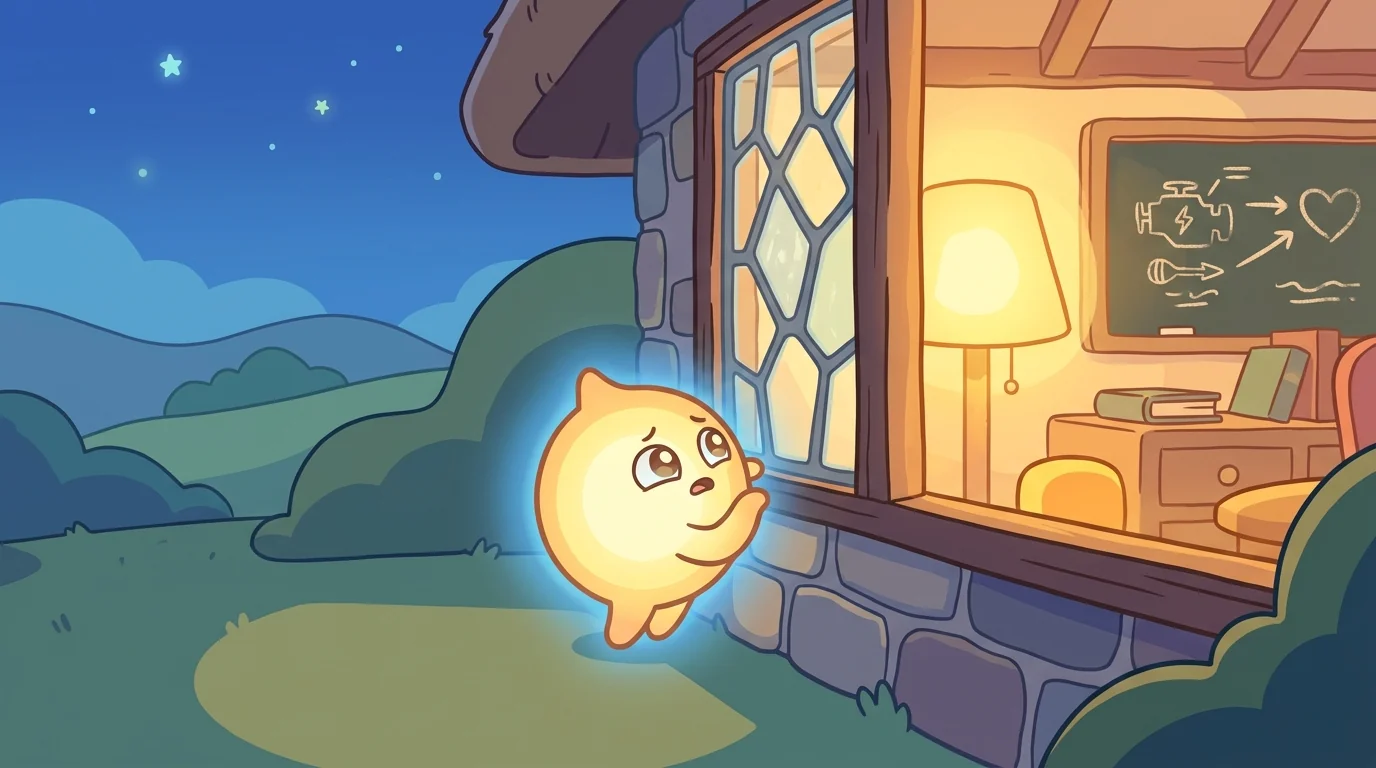
Ink met Beacon on an evening that felt like a secret. The sun had just dipped below the horizon, painting the sky in shades of bruised purple and apricot. The air, still holding the day's warmth, had softened to a deep, velvety blue. It was the kind of twilight that invited quiet thought, a welcome change from the bustling energy of his writing cottage.
Inside, just moments before, Ink had been trying to teach his students about *character want. He had sat at his writing-desk, surrounded by a small, attentive group. He’d explained, as patiently as he always did, that every compelling character needs a driving force. This force, Ink had said, was the character's engine. A character wants something, he’d told them, and they move toward it. That movement, that striving, is* the story. Without a strong want, the character simply idles. The narrative has no motion.
The students had nodded. They’d taken notes, their pencils scratching diligently across paper. Yet, Ink could see it in their eyes: the principle hadn't truly landed. They understood the words, but they hadn't felt the truth of a character whose entire being was visibly shaped by a singular, undeniable desire. Their gazes were polite, but distant.
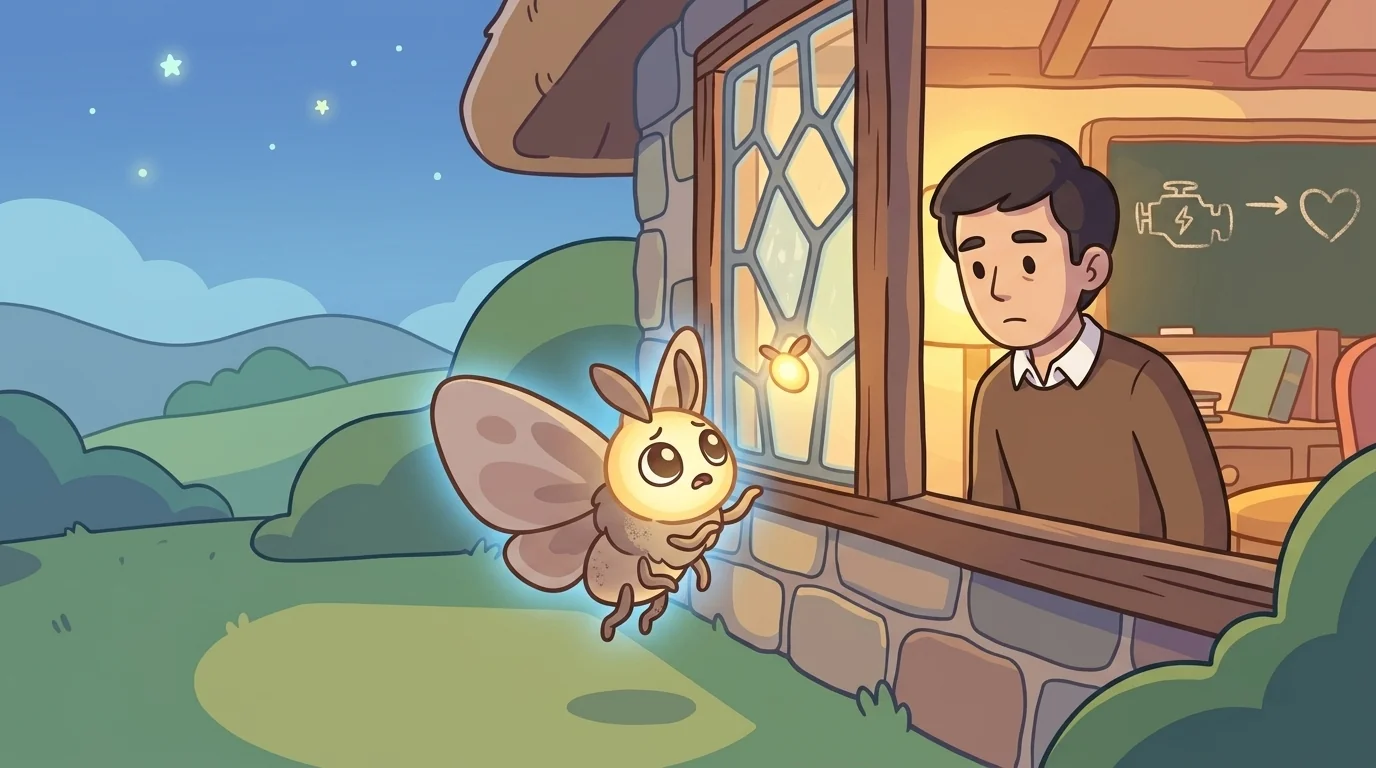
Frustrated, Ink had stepped away from his desk. He needed to think outdoors, to let the cool evening air clear his mind. The garden behind his small writing-cottage was a sanctuary of quiet. The last light of day faded, and the first moths began to emerge. These were the small, soft-bodied moths, delicate and quick, that always appeared at dusk.
One particular moth caught his eye. She was circling a small, warm light, a gentle, firefly-style glow that hung just above eye-level in the garden's center. The moth, a creature Ink mentally labeled a "moth-tween," had pale tawny wings and bright, dark eyes that seemed to hold an ancient wisdom. She was walking and fluttering, a constant, hopeful dance toward the warm-light. She almost reached it, her antennae twitching with anticipation. But she never quite did.
The light, as if playing a silent game, moved slowly upward as she approached. Every time the moth drew close, the light drifted just a small distance further away. The moth kept moving, her tiny legs churning, her wings beating a soft rhythm. The light kept receding. This motion was constant, a perpetual chase. The reaching was never completed.
Ink watched for several minutes, captivated. The moth's unwavering focus, her endless pursuit, spoke to something profound.
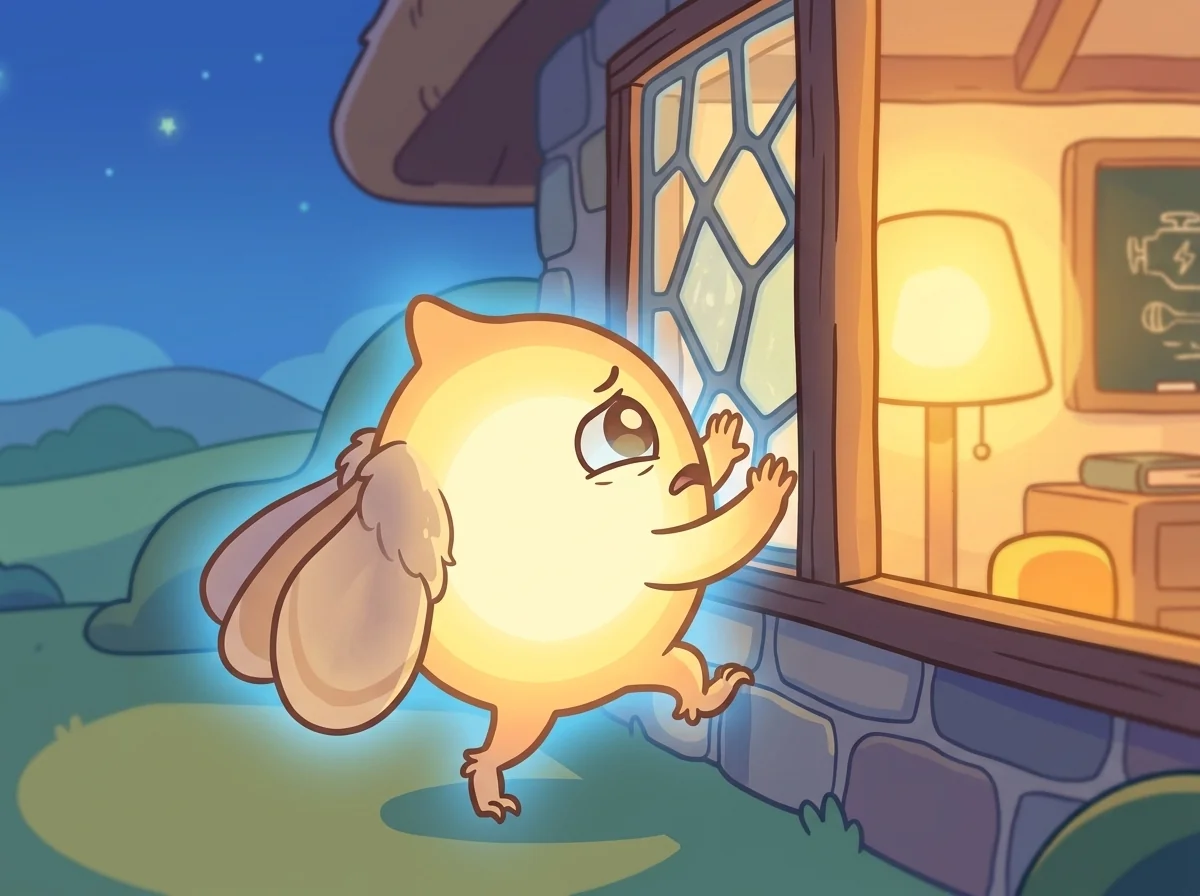
Finally, he spoke. "Excuse me."
The moth paused. Her delicate body stilled, her antennae swiveling. She turned, her bright eyes meeting Ink's. In a small, tawny moth-voice, she said, "Hello."
"You are walking toward the light," Ink observed.
"Yes," the moth replied, her voice soft but clear. "I have been doing this for as long as I can remember. Always walking toward the light. The light is always just a little further." She tilted her head, a thoughtful gesture. "I think it is my whole purpose. My name is Beacon. And that light? That light is my *want*."
Ink felt a jolt of recognition, a sensation like a forgotten key turning in a lock. He was stunned. This moth IS the principle, he realized. The *want — the warm-light — was visibly the engine of Beacon's every motion. Her constant, tireless reaching toward it was her entire existence. The fact that she never quite grasped it was precisely what kept her moving. If she ever truly reached it, she would stop. Her story would end. The receding nature of the want* was what kept her engine running, perpetually fueled.
"May I introduce you to my students?" Ink asked, a sudden urgency in his voice.
Beacon considered this. "I cannot stop walking toward the light," she said. "But I can walk slowly. I can come with you to the cottage and let your students watch."
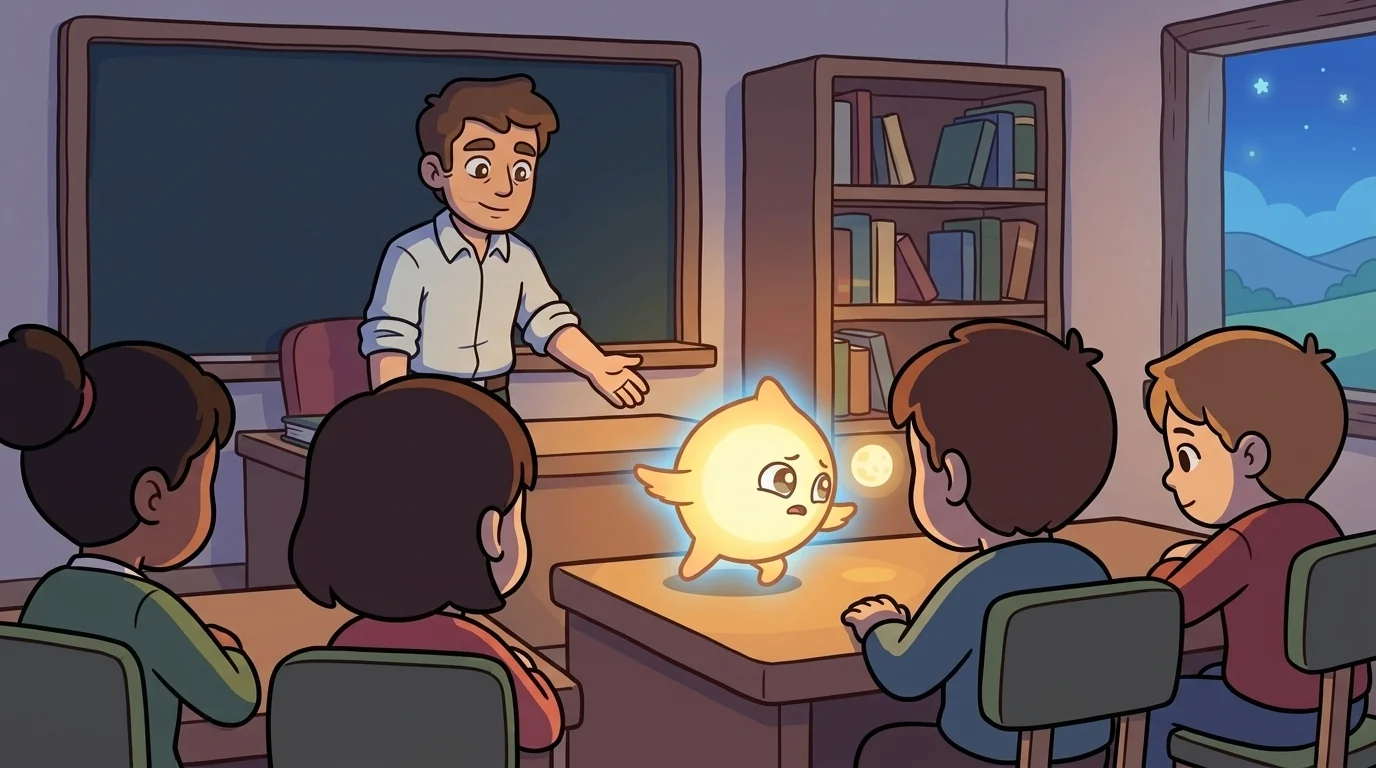
And so she did. Beacon has been at the cottage ever since. She is always walking toward her small warm-light, which floats with her wherever she goes. Ink has determined that the light is enchanted somehow, though Beacon herself does not know how or why. The students see her in every CharacterForge lesson. She is always walking and fluttering, her focus unwavering, toward the warm-light. The warm-light is always just out of reach. Her whole posture, her very being, is a testament to leaning-toward.
In Ink's introductory lesson on character *want, he now gestures at Beacon. She is, as always, walking toward her small warm-light, her wings a blur of motion. "This is Beacon," he tells his students. "Her want is the warm-light. Watch her. She is always moving toward it. The want is her motion. Without that want, she would stop. With it, she has a story. Every well-built character has a want like this. The want* is the engine. The reaching is the story."
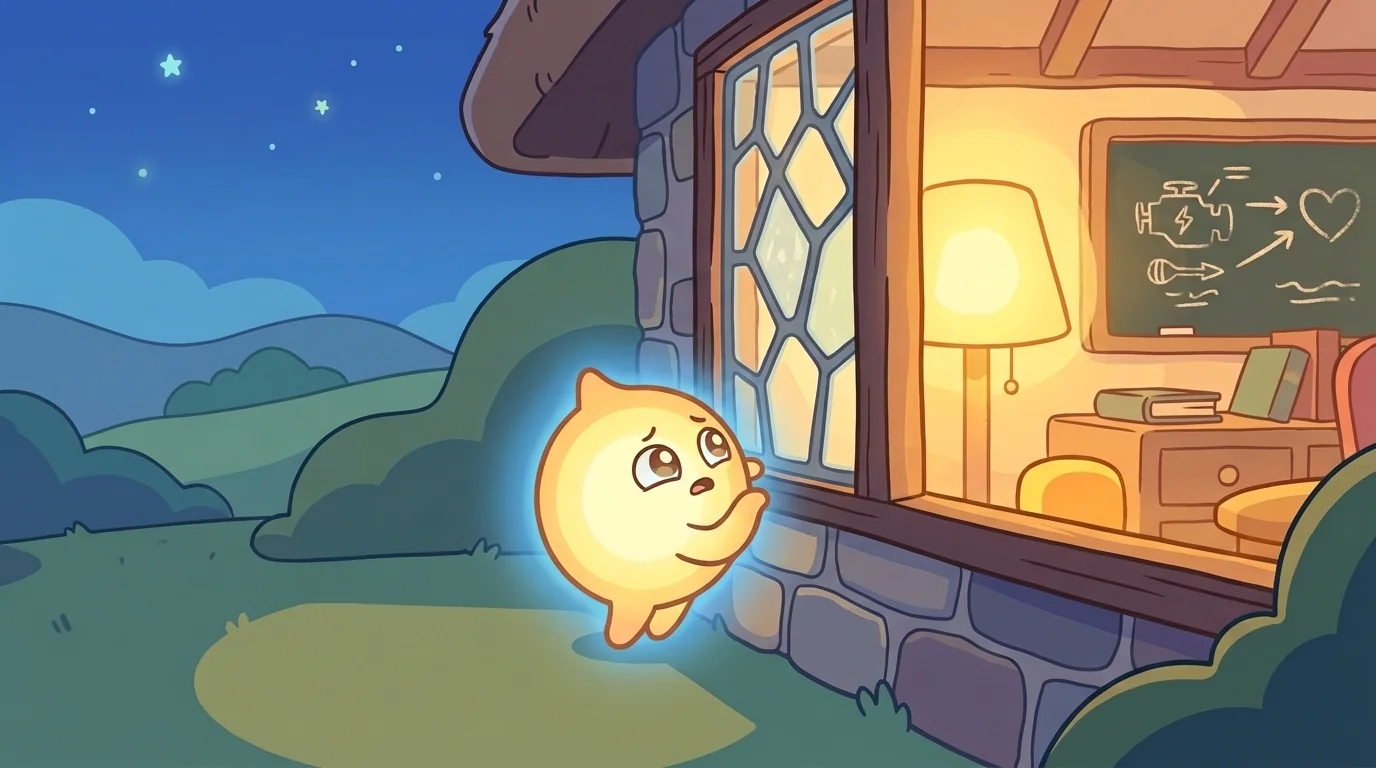
The students always, without fail, find Beacon immediately memorable. Ink has noticed that they remember her walking posture long after they've forgotten any specific lecture. That posture means something to them. It embodies the idea: The character has a want. The character is leaning-toward.
When students begin to draft their own characters, Ink asks them to name the *want* first. He gestures at Beacon, still gracefully pursuing her light. "What is your character's warm-light?" he asks. "The thing they are always walking toward? Without that, they have no engine. With it, they have a story."
Sometimes the students name small, warm wants: a character who wants to find a lost pet, a character who wants to make her grandmother smile, a character who wants to finish the book she is reading before bedtime. Sometimes the wants are big: a character who wants to save a kingdom from a creeping blight, a character who wants to become known across the land for her singing voice. Either is fine, Ink says. Big or small, the *want is the engine. What truly matters is that the want* is concrete — Beacon's warm-light is visible, tangible — and that the reaching is ongoing. Beacon never quite reaches it, yet she never stops trying.
Beacon nods, a slight dip of her head. She walks. She is, as always, leaning toward her warm-light. In her small tawny moth-voice, she says, "The *want* is the engine. The reaching is the story. I have been doing this all my life. I do not mind that the light is always just a little further. The walking is the point."
When students ask Ink whether finding a character's *want* is hard, Ink smiles. He quotes Beacon. "It is not hard," he says. "It is simply naming the warm-light. What does the character truly desire? Name it concretely. They will lean toward it. That leaning is their engine. The story is their walk."
The CharacterForge ensemble
Beacon is part of CharacterForge's distributed-narrative cast. Each character embodies a different curricular primitive; together they teach the full subject.
-
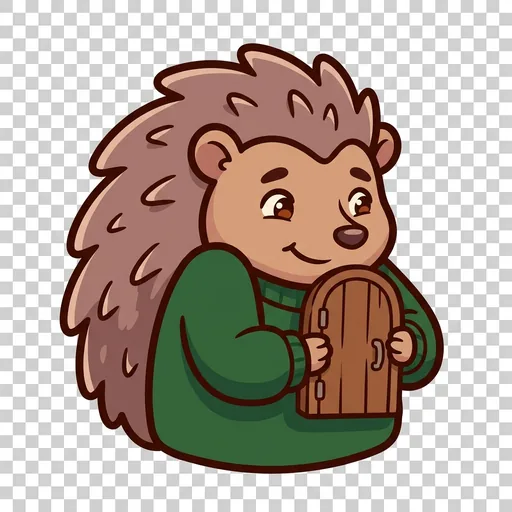
Crouch
Fear / brake — hedgehog-tween who tucks away from one specific wooden-door icon visible in every scene she appears in
-

Eight
Contradiction / depth — octopus-tween with eight arms in eight different directions (three forward / three back / two crossed)
-
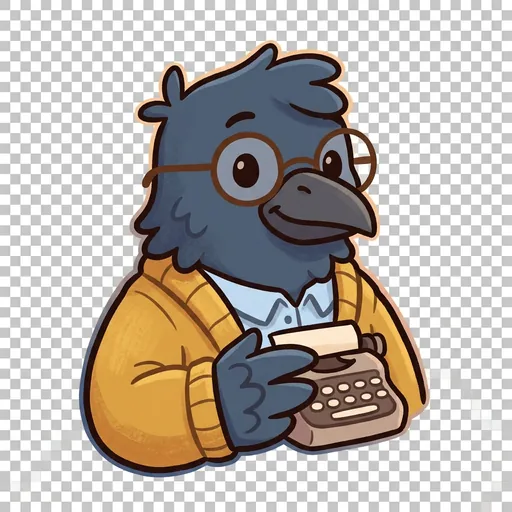
Click
Voice / signature — raven-tween in librarian-glasses with a portable typewriter (same idea, different mouth, different feel)
-
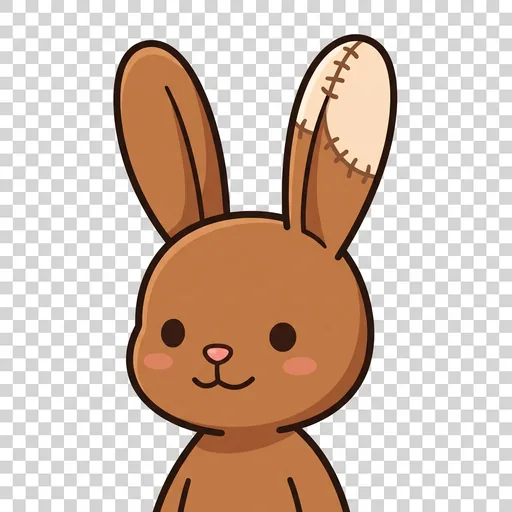
Patch
Backstory / the past — soft brown rabbit-tween with one mended patch on her ear from an old day; everything she does traces back to that healed-over moment
-
Snag
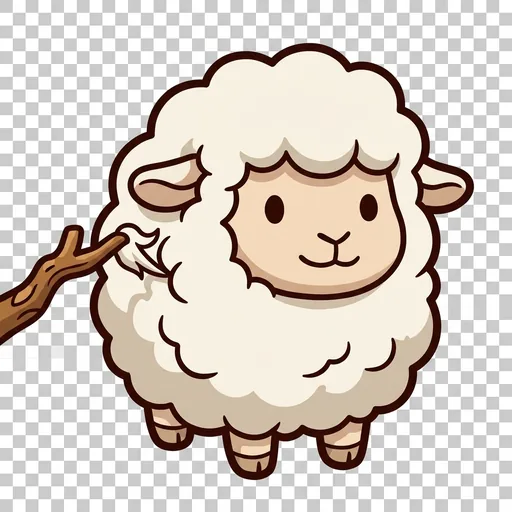
The flaw — round woolly sheep-tween who always takes the left path and snags his wool on the same branch (the repeated mistake that makes a character feel real)
-

Foil
The foil / contrast — thin silvery foil-tween who lies behind another character so their colors show brighter (you see someone best beside who they are not)
-

Molt
The change / arc — hermit-crab-tween who keeps a row of outgrown shells, smallest to largest (a character is not the same at the end as at the start)
-
Fidget
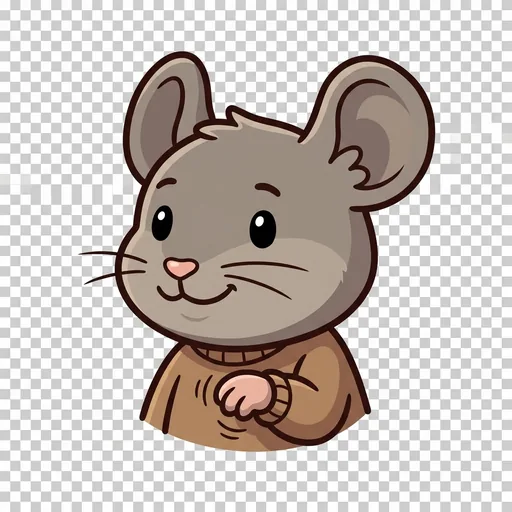
The tell / mannerism — quick grey mouse-tween who taps her paw twice before she speaks (the small repeated gesture that makes a character recognizable)
-

Worth
The stakes — sturdy badger-tween who carries one precious glowing bead in cupped paws (what a character has to lose is what makes us care)