
Academics
HaikuQuest
Form-Scaffold Poetry for Tweens — haiku, tanka, cinquain, limerick with syllable counters, cultural-context teaching, and AI Socratic refinement (Cherry).

Meet your mentor
Every Spark & Anvil app has a friendly mentor character that demonstrates, praises, and patiently scaffolds learning. On-device AI personalizes the mentor's responses to your kid's progress — never connecting to a server, never collecting data.
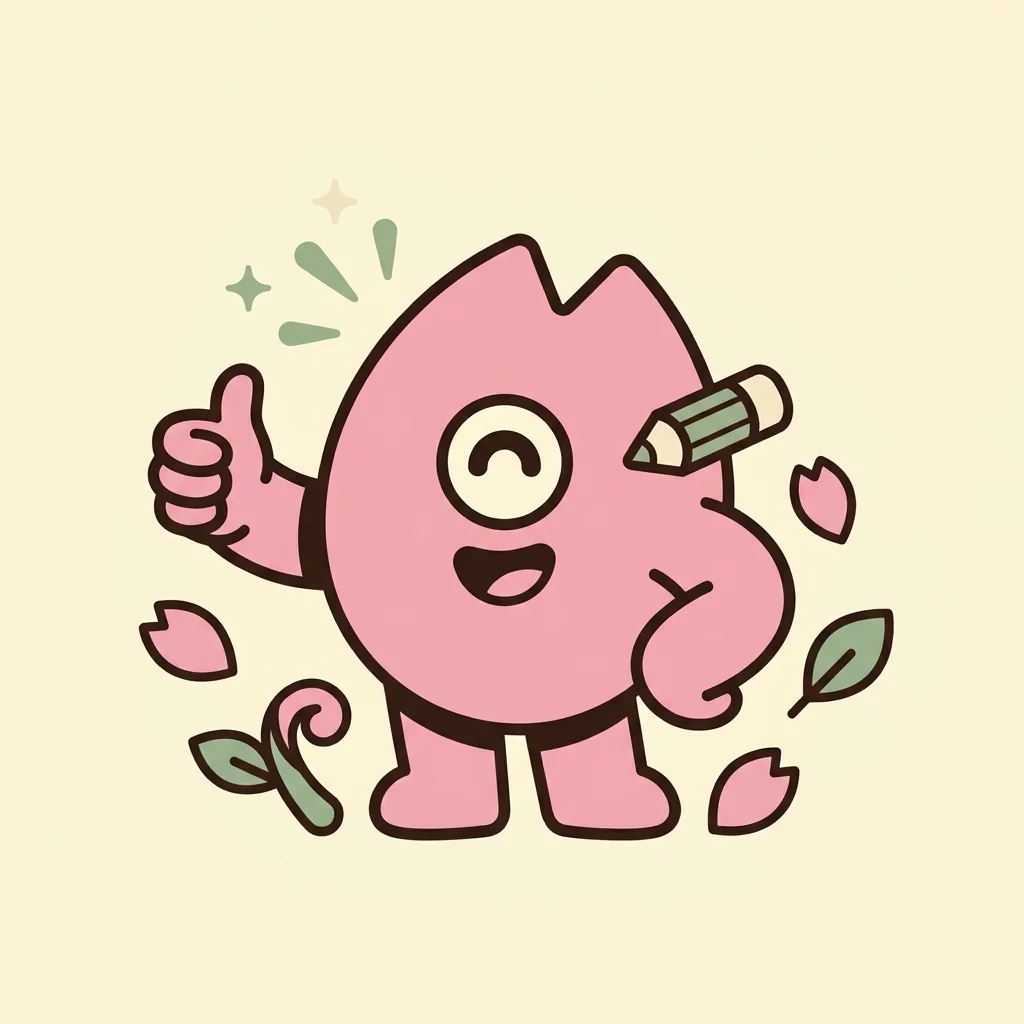
Mentored by Cherry
#F4A5B8 Distributed-narrative cast
Meet the cast
HaikuQuest's 4-character supporting cast embodies form-craft primitives — syllable count / count-discipline (Count), kireji / productive break (Pause), kigo / season-word / anchoring image (Lantern), and brevity / saying-less (Trim). Following the MotifLab hero-as-protagonist pattern, Cherry (the cherry-blossom mascot + AI Socratic poetry coach + cultural-tradition holder) remains the protagonist + relational anchor; cast members are woodland-grove creatures Cherry travels with across the seasons. Cast fades by kit 12 so kits 13-16 (anthology + cross-form + free-form) read as integrative. CRITICAL cultural-sensitivity gate (Japanese poetic tradition): NO character is named after a Japanese term (no 'Kigo', no 'Kireji'); NO character is named after a historical poet (Bashō / Buson / Issa / Shiki / Crapsey / Lear cited in kit metadata + framing copy as historical practitioners — NEVER mascotized); Japanese terms taught explicitly in kit framing copy attributed to Japanese tradition; sensitivity reader RECOMMENDED before any external playtest. Kigo → Lantern rename in this batch resolves the mascotizing-the-tradition-term risk.

Count
Syllable count / count-discipline — magpie-tween whose beak-tap enacts the rhythmic underpinning of every counted form
Read chapter →

Pause
Kireji / cut / productive break — snowy-egret-tween whose perpetually-mid-step body IS the kireji in physical form
Read chapter →

Lantern
Season-word / anchoring image — chipmunk-tween whose wooden lantern visibly shifts color with the season
Read chapter →

Trim
Brevity / saying-less — red-squirrel-tween with brass scissors who snips redundant words to find the smaller-stronger version
Read chapter →

Flint
Juxtaposition — flinty badger-creature who strikes two smooth stones to make a spark; two images set side by side make a third meaning leap up in the gap
Read chapter →

Gallop
Meter / the stressed beat — long-legged pony-creature whose hooves fall da-da-DUM; not how MANY beats (that's Count) but which ones to stomp (esp. the limerick)
Read chapter →

Bell
Rhyme — silver creature with tuned tail-bells that chime the same note when end-sounds match; a forced rhyme jammed in just to chime is worse than none
Read chapter →
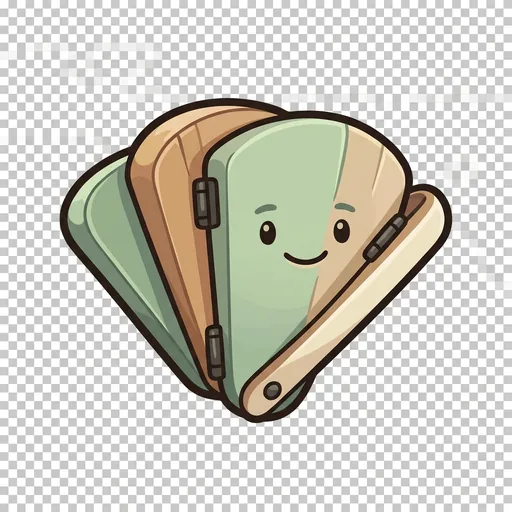
Hinge
The line break — folding-door creature who holds a small pause at the end of each line; the end of a line is a little stage, so end on a word that earns it
Read chapter →
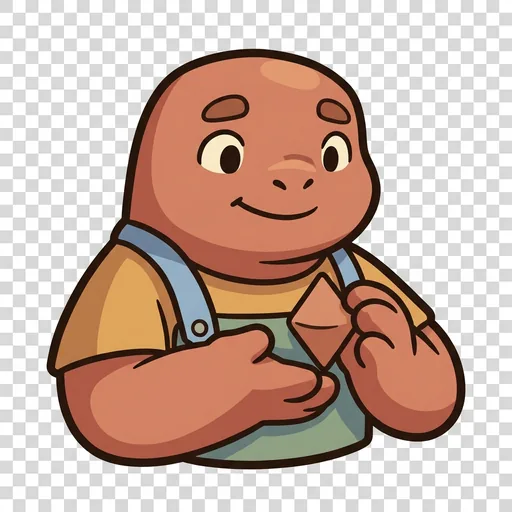
Mold
Shape on the page — clay-colored creature who builds a poem's silhouette (a cinquain's 2-4-6-8-2 diamond); shape is meaning you can see from across the room
Read chapter →
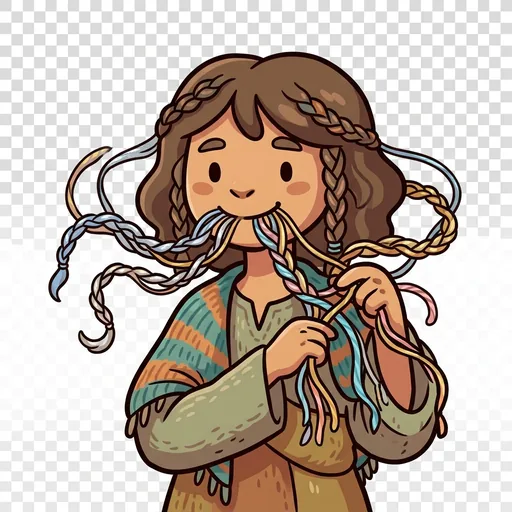
Braid
Sound texture — nimble creature who weaves repeated sounds through a line (alliteration + assonance); enough echo makes music, too much makes a tongue-twister knot
Read chapter →
Browse all 10 chapters → · What's distributed-narrative methodology? →
What's inside
Learning goal
Form-Scaffold Poetry for Tweens — haiku, tanka, cinquain, limerick with syllable counters, cultural-context teaching, and AI Socratic refinement (Cherry).
Question kits
16 curriculum-aligned kits × 25 questions = 400 questions per app, mapped to recognized standards.
On-device AI mentor
FoundationModels-powered hints, feedback, and adaptive difficulty — all running locally.
Mentored by Cherry — on-device AI, no data leaves the device.
How HaikuQuest handles your kid's data
- ✅ All progress, settings, and AI-generated content stays on the device
- ✅ No analytics, no tracking, no third-party SDKs
- ✅ No ads, no in-app purchases — you pay once
- ✅ COPPA compliant under the 2026 FTC amendments
- ✅ Parental controls + session limits + content filters built in
HaikuQuest runs on ForgeKit — the open-source Swift Package Manager framework that powers every Spark & Anvil app. ForgeKit ensures consistent accessibility, COPPA compliance, and design language across the portfolio, so your kid's progress and preferences feel coherent across every app they touch.
Coming to the App Store
HaikuQuest is in active development. Email us to hear when it ships — no marketing, no spam, just a one-shot launch announcement.
Email me at launch